Researching Mulching Contractor in Crawfordville Florida?
EZ Acre is a land services business that does mulching work in Crawfordville Florida.
Dial 850-787-9300 to go over the size of the area and the kind of vegetation.
Mulch as a Way to Clear and Protect
On a property, mulching usually means grinding or spreading plant material so it protects the soil, and the right type depends on whether the goal is clearing, erosion control, or protection. Mulch holds moisture, shades the soil, and slows weeds, and it helps new grass and new plants get established.
A search for Mulching Contractor often starts with an overgrown lot or a freshly disturbed slope, and a short conversation can sort out what the job calls for.
Grinding Brush and Trees in Place
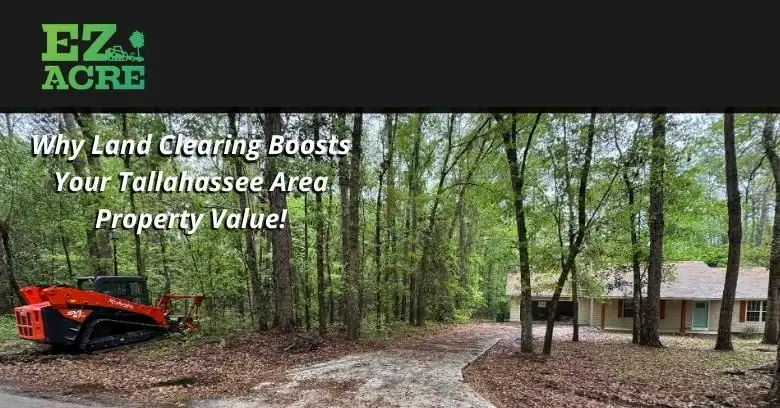
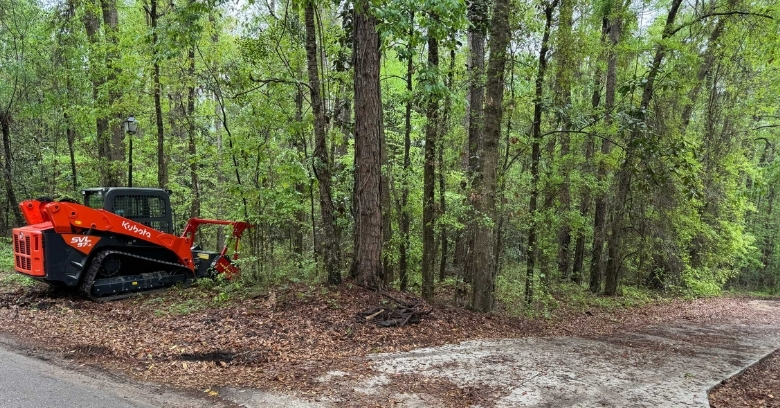
The mulching head spins at high speed and reduces brush, saplings, and even sizable trees to chips, and the machine can reach places where a truck and chipper cannot. Because the roots stay in the ground, the soil holds together better than after a bulldozer clearing, and fewer ruts and less bare soil mean less cleanup afterward.
Machines vary in power, and the thickness of the growth determines which one is needed, and a walk through the land before the work marks what stays. The depth of chips varies with the amount of growth that was cut, and the layer slows weeds and holds moisture.
Hydraulic Mulching
In hydraulic mulching, a machine pumps a wet blend of fiber and seed onto the surface, and the fibers hold the seed in place and keep the moisture near it. Erosion control is one of the main jobs of hydraulic mulching, and good timing matters, since a storm can arrive before the cover does.
A mix with seed needs enough moisture to sprout, so the season matters, and the right blend depends on the soil and the slope. Seed that suits the soil and the sun grows into a lasting cover, and patience pays off once the lawn fills in.
Leaving the Land in Better Shape
Using the vegetation that was cut as mulch closes the loop on the clearing job, and fewer trucks and less hauling mean less fuel burned and less traffic. Gentler methods suit land near wetlands, ponds, and wildlife habitat, and the plan should explain how the soil will be protected.
Natural mulch has a long track record as a way to protect soil, and a depth of a few inches is enough for most beds. Fresh chips are best left to age a while before they are placed near delicate plants, and extra chips can be stacked for later use.
Choosing the Right Machine for the Growth
Mulching heads attach to heavy machines that are strong enough to turn the drum at high speed, and the choice depends on the site and the size of the job. A hydroseeder is a tank on wheels with an agitator and a pump, and access to the site and a supply of water are part of the planning.
Machines that grind trees and brush are heavy and loud, and people and pets should stay well back from the work. Old fencing and debris can be hidden by seasons of growth, and fixed objects like wells and posts need flags.
Local Conditions That Shape Mulching
Much of the ground in this region is light, sandy, and low in organic matter, and mulching can help new lawns and trees get a start. Summer here brings heat, humidity, and daily storms, and bare soil exposed in the wet season needs cover quickly.
Wind and flooding from a major storm can turn a tidy lot into a mess of debris, and clearing storm debris promptly keeps the yard safe and usable. Dense brush can also feed wildfires in dry seasons, and a mulched property can be easier to protect.
What Is Left Behind and How It Behaves
The machine can grind a stump to a few inches above the surface or below it with extra effort, and building areas generally need stumps and large roots removed. The root mass under a cleared slope binds the soil together while new growth starts, and bare patches can be covered by hydraulic mulch if needed.
The mulch left by a forestry head is coarse, with a mix of bark, wood, and leaves, and finer chips decay faster than larger pieces. The right depth depends on whether the owner wants to suppress growth or let seed sprout, and a light pass with a rake or box blade levels the surface.
Scheduling Around the Weather
Machines work best on firm ground, and the drier part of the year provides that, and new seed needs rain after the application, but not a flood. Within a season, a mulched lot may show new shoots from stumps and vines, and a follow-up pass is part of the plan for many properties.
Mulch breaks down over time and needs topping up where a thick layer is wanted, and raking and fluffing the surface helps it shed water. Local fire rules sometimes limit the amount of mulch near buildings, and it helps to ask local fire officials about the recommendations for the area.
Which Type of Mulching Fits Your Land
Dense vegetation that blocks access and sight lines is the job forestry mulching is built for, and a freshly graded slope or a new lawn area belongs to the spray method. Using the two together turns wild growth into a stable, planted surface, and a single conversation can settle the whole sequence.
Spreading wood chips or bark around trees and shrubs is the simplest and most familiar form of mulching, and a thin edge along the lawn keeps the bed neat. A clear description of the goal makes it easy to pick the right type, and the conversation goes fastest when the goal is clear.
Wildlife, Nesting, and Care on Wooded Land
Thick brush shelters animals that nest, burrow, and hide in the growth, and the crew can pause or adjust the work for a nest or a den. Cutting during the main nesting months can destroy active nests and young birds, and it helps to ask about local rules on nesting season and protected species.
Questions to Settle Before Work Begins
Walk the property and decide which areas will be mulched and which will stay untouched, and it helps to discuss trees to keep, trees to remove, and any areas to avoid. Check local rules, since some areas require approval before clearing or tree removal, and the schedule can be planned around approvals.
With those questions answered, choosing among Mulching Contractor in Crawfordville Florida gets easier, and the details are quick to confirm.
Ring 850-787-9300 to talk about mulching your land.
Verified

Verified
Verified
Verified
Verified