
Comparing Residential Land Management Contractor in Crawfordville Florida?
EZ Acre is a land clearing business serving property owners in Crawfordville Florida.
Ring 850-787-9300 to go over the size of the lot and the growth on it.
What the Work Really Covers
Clearing takes a wild or overgrown parcel and turns it into ground that can be built on, fenced, or farmed, and every property starts with a look at what is there and what is wanted. People clear land for many reasons, such as building a home, adding a pasture, or opening a view, and the right approach is built around the goal of the owner.
People looking up Residential Land Management Contractor usually have a clear picture of the result they want, and the next step is understanding how clearing is done.
Dealing With Overgrowth
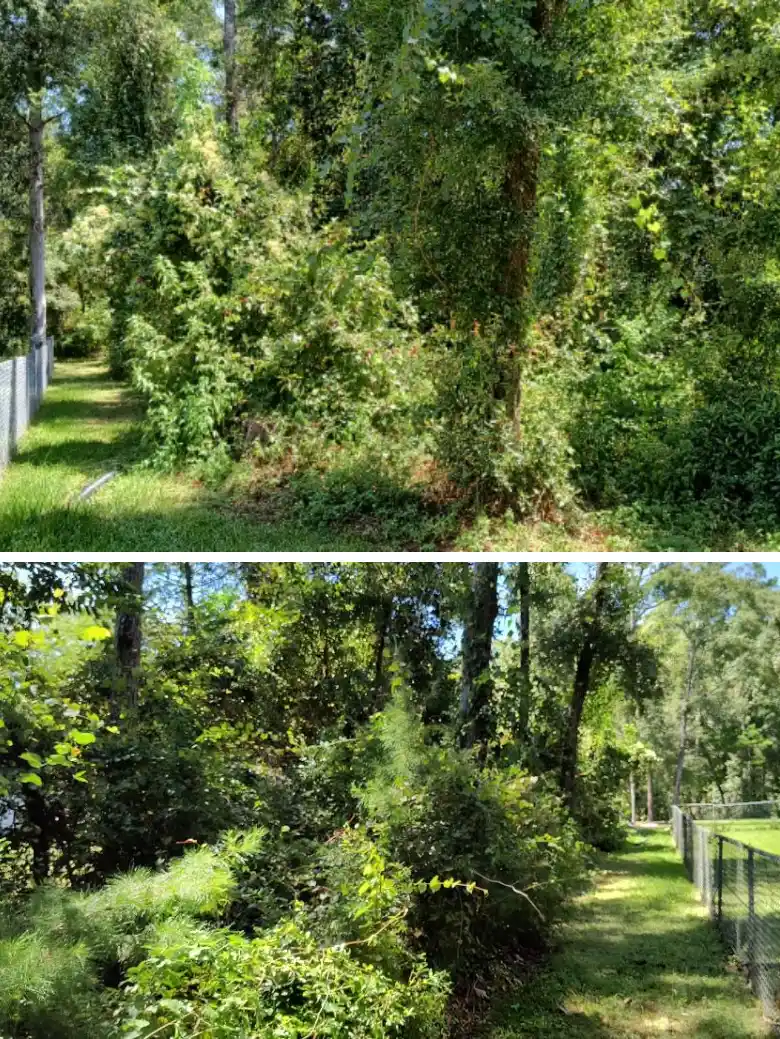
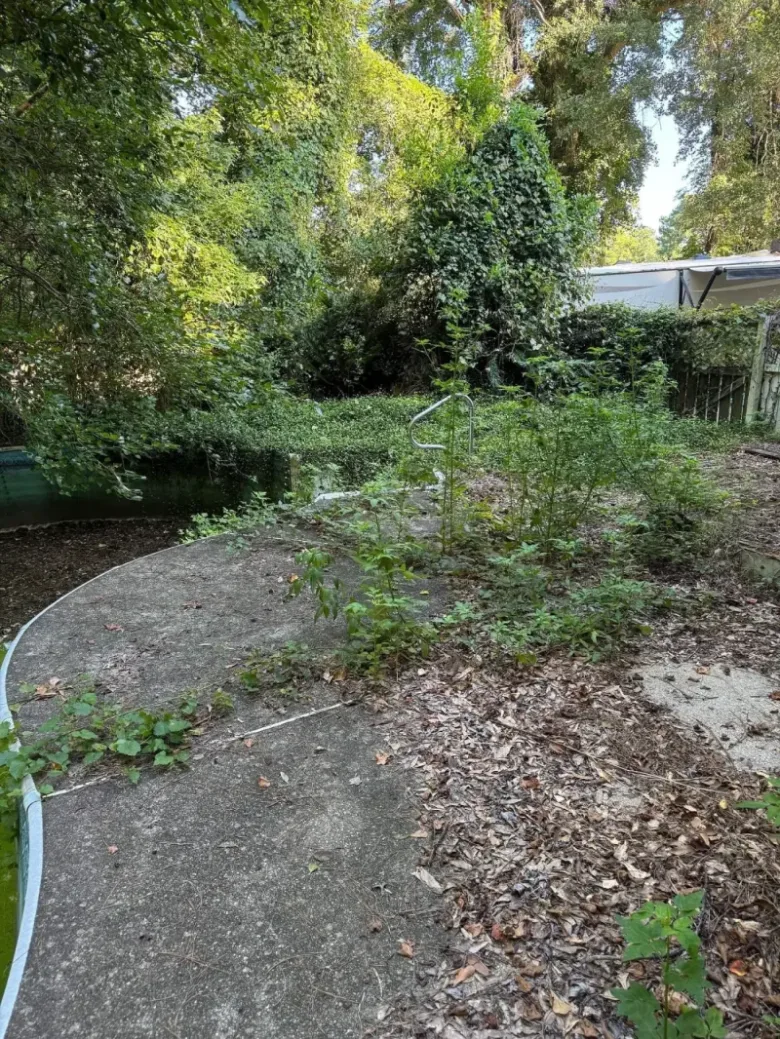
Untended ground fills quickly with low, dense growth that blocks access and sight lines, and clearing it makes it possible to survey, plan, and build. Invasive growth is more than a nuisance because it spreads to the neighbors, and a careful plan makes the difference between a short fix and a lasting one.
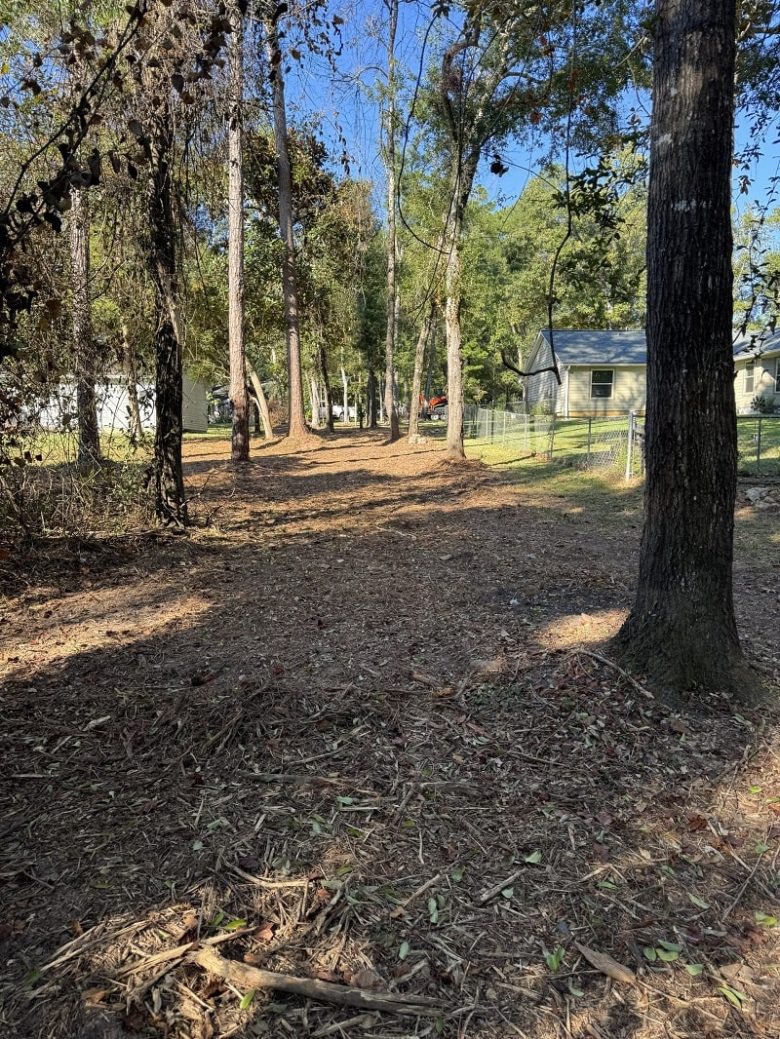
Selective underbrush removal takes out the smaller plants and leaves the larger trees standing, and the remaining trees are protected from the equipment. Complete clearing removes everything within the work area, and the cleared area should be marked clearly before work begins.
Tree Removal, Cutting, and Stump Work
Tree work ranges from a single dead trunk to a stand of timber, and the direction of the fall, nearby wires, and nearby structures all shape the plan. Stump removal is a separate step from cutting the tree, and the owner should decide what to do with stumps before the job begins.
Some trees cannot be cut without a permit or approval, depending on where the property sits, and the crew can often explain what is typical, but the rules come from the local government. Nesting birds and protected animals are a factor on wooded land, and a pause for a nest or a burrow is part of responsible work.
Machines Used on Site
Skid steers with forestry heads can cut, grind, and clear in a single pass, and a mix of methods is often used on a single property. Some spots on a property are simply too tight or too sensitive for heavy equipment, and owners should point out any sensitive areas before work begins.
Some jobs call for burning, though local rules limit it, and the plan should say what happens to the wood and brush. The weight of a machine and the wetness of the ground work against each other, and stabilizing bare ground after clearing is a regular step.
What Happens to the Material
Every clearing project ends with the question of what to do with the material, and it can be hauled away, chipped, mulched, or left in place. Material that stays on site can be a benefit rather than a burden, and owners often ask to keep the chips.
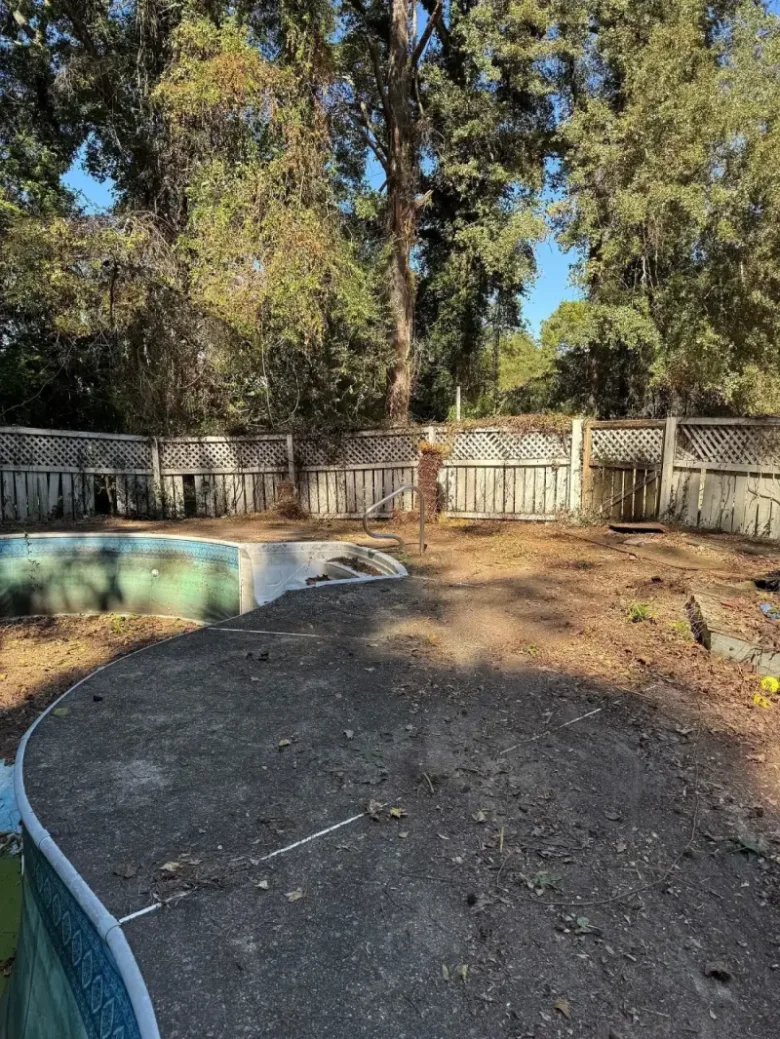
Leaving raw soil without cover invites erosion and a new flush of weeds, and grading away from buildings helps the water drain. A final walk around the site confirms that the job matches the plan, and it helps to note the boundary lines, the stumps, and the debris piles.
Local Conditions That Shape Clearing
Soils in this part of the state are often sandy and drain quickly, though low spots can stay wet for long periods, and working in mud damages the land and slows the job. Summer here brings heat, humidity, and daily thunderstorms, and schedules should allow for weather delays.
A major storm can turn a tidy lot into a field of fallen timber, and crews can be very busy, and waiting times grow. This region has many fast-growing plants that can overrun a lot within a season, and clearing once and then maintaining is the usual approach.
Shaping the Cleared Area
Builders ask for extra room around the pad for equipment, materials, and grading, and buried roots can rot and leave voids that settle later. Long driveways need a corridor clear of limbs that could scrape trucks and trailers, and the route should follow the natural lay of the land where possible.
A fence row left alone fills with growth that strains posts and tears wire, and existing fence is often protected from the equipment while the brush is cut. Pasture restoration begins with clearing, and the grass follows, and the timing of each step depends on the season and the weather.
Working Near Water and Sensitive Ground
Some of the wettest parts of a lot cannot be cleared the way dry ground can, and a delineation by a qualified person may be needed before work begins. A cleared slope sheds water and sediment much faster than a vegetated one, and the plan should show where runoff will go.
Overhead lines, wells, septic systems, and drain fields all affect how a lot is cleared, and a few minutes of locating prevent days of repair. Work near lines should never be improvised, and the safest plan is to leave doubtful areas for a specialist.
Factors That Shape the Schedule
The size of the property is the first factor in how long clearing takes, and a site visit gives the crew a better idea of the timeline. Weather is the biggest unknown in any outdoor job, and owners should be flexible about start dates.
Clearing is not always a one-time job, and a thin layer of mulch or a cover of grass slows the weeds. The goal for the land shapes the clearing and the follow-up, and the crew can suggest a finish that suits the plan.
Property Lines and Shared Ground
Clearing can change the view and the shade of an entire block, and the schedule and the expected noise are worth sharing. Knowing where the boundary lies protects both owners, and owners should ask the crew to respect the markers.
Planning Your Clearing Project
The first step in any clearing job is knowing exactly where it starts and stops, and it helps to photograph the property before work begins. The details of permits, access, and disposal should be settled before the job starts, and the owner and the crew start with the same expectations.
Everything above comes down to one decision, and Residential Land Management Contractor in Crawfordville Florida is where you make it, and a few minutes on the phone is enough to start.
Ring 850-787-9300 when you are ready to plan a clearing project.
Verified

Verified
Verified
Verified