Exploring Eco-Friendly Mulching Services in Crawfordville Florida?
EZ Acre helps property owners in Crawfordville Florida turn brush and small trees into mulch.
Phone 850-787-9300 to ask how a mulching project like yours is usually handled.
Mulch as a Way to Clear and Protect
The word mulching covers several kinds of work, from grinding brush on site to spreading a protective layer over bare soil, and the three most common kinds are forestry mulching, hydraulic mulching, and ordinary bed mulching. Mulch works by covering the ground so that water stays in and weeds stay out, and owners use it to protect land that has just been disturbed.
Most people who search for Eco-Friendly Mulching Services have brush or bare ground that needs attention, and the next step is understanding which kind of mulching fits.
Forestry Mulchers Explained
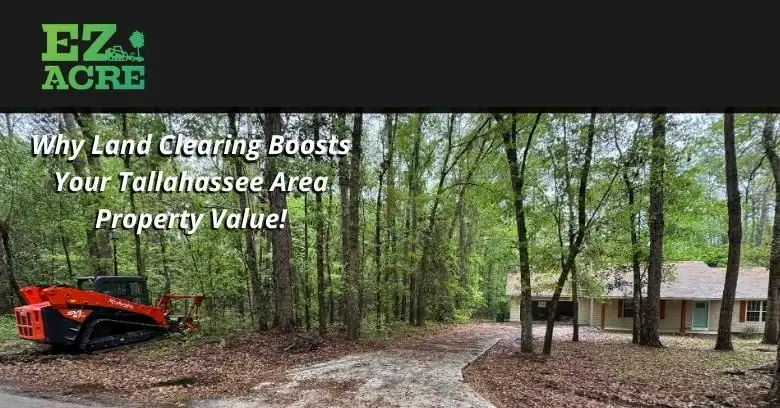
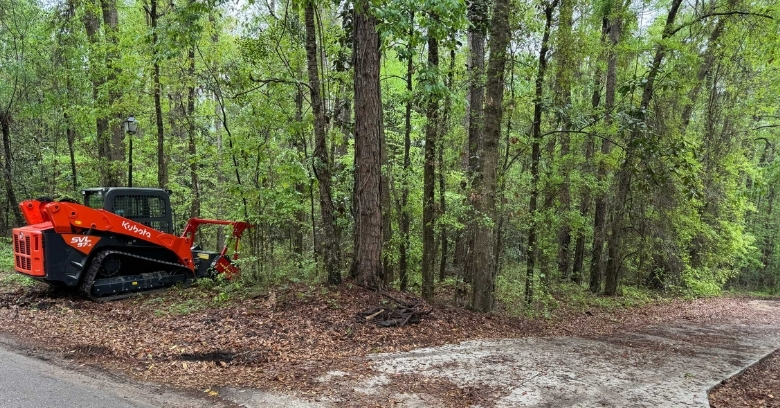
A forestry mulcher is a tractor or tracked machine with a heavy cutting head that shreds vegetation where it stands, and the chips stay on the ground and form a protective layer. Forestry mulching disturbs the soil less than pushing and piling does, and the mulch layer protects the surface from the next rain.
Light brush and vines are easy work, but big hardwoods call for a heavy machine, and selective mulching clears the understory and keeps the shade trees. A mulched lot has a soft, brown surface instead of bare soil, and it breaks down slowly and returns nutrients to the soil.
Spray-On Mulch Explained
Hydraulic mulching sprays a slurry of water, mulch fibers, and often seed onto bare ground, and a green dye often shows where the spray has been applied. Hydromulch protects soil while seed sprouts and roots take hold, and rules for construction sites frequently require erosion control.
Hydraulic mulching depends on weather, water, and the right mix, and slopes may need an extra layer or a stronger binder. Grass types vary in how well they handle sun, shade, and sandy ground, and patience pays off once the lawn fills in.
Eco-Friendly Mulching Practices
Mulching keeps organic matter on the property instead of sending it away, and the roots stay in the ground to hold the soil. On environmentally sensitive ground, mulching with less soil disturbance is usually preferred, and owners should ask about local rules before work begins.
Natural mulch has a long track record as a way to protect soil, and it needs to be refreshed as it breaks down. Chips left from a clearing or tree job can be spread on paths and beds, and the supply is usually more than the property can use.
How a Mulching Job Gets Done
Mulching heads attach to heavy machines that are strong enough to turn the drum at high speed, and the choice depends on the site and the size of the job. A hydroseeder is a tank on wheels with an agitator and a pump, and steep slopes can be sprayed from the bottom with a long hose.
Operators and bystanders both face real hazards on a mulching job, and people and pets should stay well back from the work. Hidden objects in the ground can damage the machine and create hazards, and a careful survey saves equipment and prevents accidents.
Ground and Weather Around Crawfordville Florida
Sand holds little water or nutrients, and mulch helps with both, and a covered surface stays cooler in the summer sun. The wet season runs through the summer with frequent heavy rain, and bare soil exposed in the wet season needs cover quickly.
After a hurricane, mulching is one way to deal with a large volume of vegetation on site, and crews are in high demand after a storm, and waiting times grow. Thinning understory growth reduces the fuel available to a fire, and the mulch layer left behind is less flammable than standing brush.
What Is Left Behind and How It Behaves
The machine can grind a stump to a few inches above the surface or below it with extra effort, and the owner should decide whether the stumps can stay or must be ground out. Leaving roots intact means rainfall has less power to carry soil away, and new seed can be sown straight into the mulch.
Chip size depends on the machine, the teeth, and the type of growth, and a thick mat of fresh chips can tie up nitrogen briefly as it decomposes. Excess mulch on a cleared lot can be raked or spread thin, and owners can ask for the layer to be spread evenly.
Scheduling Around the Weather
Wet-season rain and soft soil slow tracked machines and cause ruts, and new seed needs rain after the application, but not a flood. Warm, rainy conditions encourage quick new growth, and regular mowing or a light second mulching keeps the land clear.
Wood chips decay, and the layer thins a little each season, and a light touch each season beats a heavy overhaul. Local fire rules sometimes limit the amount of mulch near buildings, and chips are better used farther out on the property.
Choosing Between Mulching Types
Overgrown acreage that needs to be opened up calls for a grinding machine, and erosion control on bare ground is the main reason for spray application. Using the two together turns wild growth into a stable, planted surface, and a gap between clearing and cover is a window for erosion.
Spreading wood chips or bark around trees and shrubs is the simplest and most familiar form of mulching, and it usually needs a topping-up each year or two. The best starting point is what you want the land to look like afterward, and the conversation goes fastest when the goal is clear.
Mulching and the Creatures That Live There
Brush that looks empty can be full of life, especially in spring and early summer, and local wildlife agencies publish guidance for property owners. Nesting season is the time of year when clearing needs the most care, and responsible work treats the land as more than a pile of material.
Getting the Job Scoped Right
Start by marking the area to be mulched and describing the growth, and it helps to photograph the property before work begins. Make sure everyone knows what is included in the work and what is not, and changes are easier to handle on paper than in the field.
Everything above comes down to one decision, and Eco-Friendly Mulching Services in Crawfordville Florida is where you make it, and it is easy to take it from there.
Phone 850-787-9300 to start planning the work.
Verified

Verified
Verified
Verified
Verified