Looking into Mulching Contractor in Quincy Florida?
EZ Acre handles mulching jobs on lots and acreage around Quincy Florida.
Reach us at 850-787-9300 to describe your property and the growth on it.
What Mulching Means on Land
On a property, mulching usually means grinding or spreading plant material so it protects the soil, and each has its own equipment, its own purpose, and its own best season. Covered soil loses less water to the sun and the wind, and owners use it to protect land that has just been disturbed.
A search for Mulching Contractor often starts with an overgrown lot or a freshly disturbed slope, and a short conversation can sort out what the job calls for.
Clearing With a Mulching Head
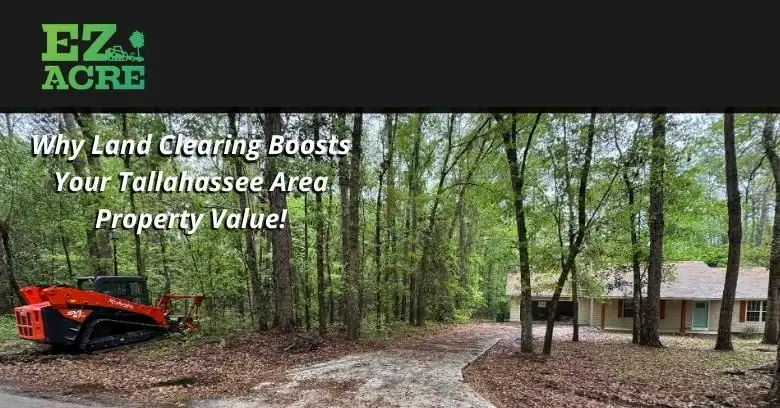
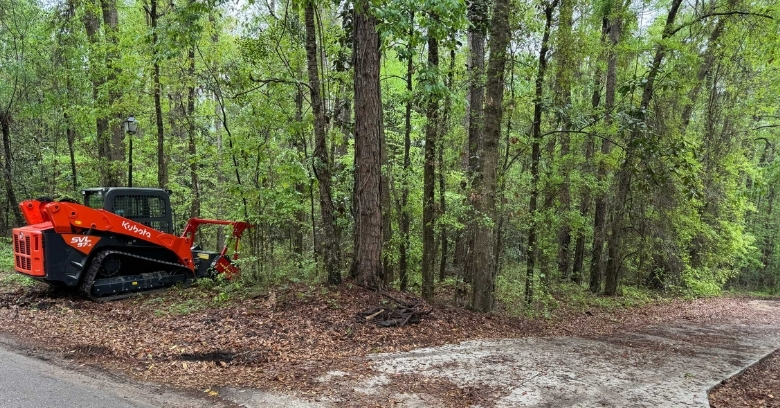
A forestry mulcher is a tractor or tracked machine with a heavy cutting head that shreds vegetation where it stands, and one machine does the work that once took a crew with saws, a chipper, and a truck. The machine rolls over the ground rather than scraping it, and fewer ruts and less bare soil mean less cleanup afterward.
Light brush and vines are easy work, but big hardwoods call for a heavy machine, and selective mulching clears the understory and keeps the shade trees. Mulching leaves a layer of chips that can be several inches deep, and a thick layer may need to be raked near buildings.
Protecting Soil With a Liquid Mulch
Spray-applied mulch covers large areas of soil quickly and evenly, and a green dye often shows where the spray has been applied. A slope stripped of vegetation can lose soil quickly in a heavy rain, and slopes and drainage swales benefit the most.
Planting season and rainfall both shape the timing of a spray job, and some mixes include fertilizer to help the grass start. Grass seed choice matters as much as the mulch, and new grass needs time before it can take foot traffic.
Gentler Ways to Clear and Cover Ground
Grinding growth into chips returns plant material to the soil as it decays, and the roots stay in the ground to hold the soil. Near streams and wetlands, leaving roots and a mulch cover reduces runoff, and a careful crew will mark the line it will not cross.
Natural mulch has a long track record as a way to protect soil, and colors and textures vary with the source of the wood. Using fresh chips from a clearing job as landscape mulch saves effort, and the supply is usually more than the property can use.
Choosing the Right Machine for the Growth
Forestry mulchers are mounted on skid steers, tracked carriers, or excavators, and operators can work close to structures and fences with the right setup. Hydroseeding equipment ranges from small trailers to large trucks, and operators work in passes to cover the area evenly.
Machines that grind trees and brush are heavy and loud, and people and pets should stay well back from the work. Rocks, old fence wire, buried metal, and stumps are risks for any mulching head, and fixed objects like wells and posts need flags.
What the Climate Means for Mulching Work
Sandy ground benefits more than most from a protective cover, and a layer of mulch can make a real difference to new plantings. Daily thunderstorms can interrupt outdoor work and soften the ground, and hydraulic mulching must be timed between rains.
After a hurricane, mulching is one way to deal with a large volume of vegetation on site, and a mulched lot is easier to inspect for damage. Thick underbrush is fuel, and dry spells make fires more likely, and a mulched property can be easier to protect.
What Is Left Behind and How It Behaves
The machine can grind a stump to a few inches above the surface or below it with extra effort, and stumps to be removed completely are handled with a dedicated stump grinder. A slope held by living and dead roots keeps its shape much better than bare soil, and mulching is often chosen for slopes, ditch banks, and pond edges.
The mulch left by a forestry head is coarse, with a mix of bark, wood, and leaves, and finer chips decay faster than larger pieces. A layer a few inches thick works well on most ground, but a thick pile smothers new growth, and owners can ask for the layer to be spread evenly.
Seasonal Planning for Mulching
Dry weather lets the operator work safely and cleanly on most ground, and planting too early in a dry spell wastes seed. Warm, rainy conditions encourage quick new growth, and a managed property stays open with little effort.
Mulch is not permanent, and part of its value is that it decays into the soil, and thin patches show up first near edges and on slopes. A clear gap around a house is a common wildfire recommendation, and gravel or bare ground near the walls is a safe choice.
A Simple Way to Decide
If the land is covered in brush, vines, and small trees, a mulching head is the natural fit, and hydraulic mulching is the choice when the problem is bare soil that needs cover. Many projects use both methods in sequence, and owners should ask how the pieces fit together.
Bed mulching suits yards, gardens, and the areas around new plantings, and the material can be delivered in bulk or made from cleared growth. Owners who describe the problem rather than the method get better advice, and it helps to have a picture in mind of the finished property.
Sharing the Land With Animals
Brush that looks empty can be full of life, especially in spring and early summer, and the crew can pause or adjust the work for a nest or a den. Nesting season is the time of year when clearing needs the most care, and it helps to ask about local rules on nesting season and protected species.
What to Settle First
Walk the property and decide which areas will be mulched and which will stay untouched, and it helps to photograph the property before work begins. Locating buried utilities before any machine goes on the ground is a standard step, and the schedule can be planned around approvals.
A clear idea of the goal for the land makes Mulching Contractor in Quincy Florida simple to narrow down, and a few minutes on the phone is enough to start.
Dial 850-787-9300 to ask about brush, trees, and bare ground on your property.
Verified

Verified
Verified
Verified