Researching Mulching Company in Tallahassee Florida?
EZ Acre works on mulching and land preparation for properties in and around Tallahassee Florida.
Reach us at 850-787-9300 to go over the size of the area and the kind of vegetation.
The Basics of the Practice
A mulch layer is any covering of plant material that sits on top of the soil, and each type solves a different problem on the land. Bare soil dries and crusts, while mulched soil stays cooler and softer, and mulching is a common step after clearing and planting.
Anyone comparing options for Mulching Company is typically facing thick growth or exposed soil, and a short conversation can sort out what the job calls for.
Forestry Mulchers Explained
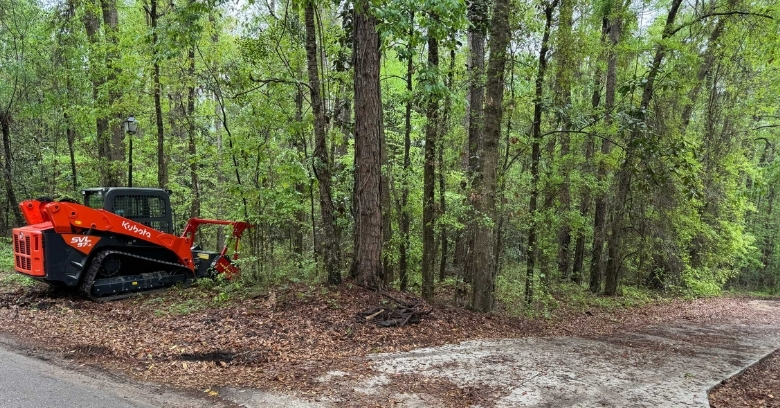
The mulching head spins at high speed and reduces brush, saplings, and even sizable trees to chips, and there are no burn piles to tend and no debris to haul. The root systems of cut plants stay in place and keep the soil from washing away, and sandy soil stays in place better with the roots left in the ground.
Light brush and vines are easy work, but big hardwoods call for a heavy machine, and the result is a clean, open, park-like look. Mulching leaves a layer of chips that can be several inches deep, and it breaks down slowly and returns nutrients to the soil.
Protecting Soil With a Liquid Mulch
Spray-applied mulch covers large areas of soil quickly and evenly, and the binder helps the mulch stay put through rain and wind. Disturbed ground is vulnerable until grass grows in, and slopes and drainage swales benefit the most.
Planting season and rainfall both shape the timing of a spray job, and a good schedule fits the application between storms. Seed that suits the soil and the sun grows into a lasting cover, and new grass needs time before it can take foot traffic.
Keeping Organic Matter on the Property
Mulching keeps organic matter on the property instead of sending it away, and there is no smoke from burn piles. Near streams and wetlands, leaving roots and a mulch cover reduces runoff, and the plan should explain how the soil will be protected.
Natural mulch has a long track record as a way to protect soil, and it needs to be refreshed as it breaks down. Fresh chips are best left to age a while before they are placed near delicate plants, and extra chips can be stacked for later use.
Machines Behind the Work
Mulching heads attach to heavy machines that are strong enough to turn the drum at high speed, and the choice depends on the site and the size of the job. The machine blends water, mulch, and seed and sprays the mix through a hose or a boom, and steep slopes can be sprayed from the bottom with a long hose.
Machines that grind trees and brush are heavy and loud, and the crew checks the ground for hidden objects before the cut. Metal and stone strike the teeth and can fly out at high speed, and owners should point out anything they know is buried.
Ground and Weather Around Tallahassee Florida
Sandy ground benefits more than most from a protective cover, and a layer of mulch can make a real difference to new plantings. Summer here brings heat, humidity, and daily storms, and bare soil exposed in the wet season needs cover quickly.
Storm damage often leaves fallen trees and tangled brush that need to be cleared, and a mulched lot is easier to inspect for damage. Land managers often thin and mulch vegetation to lower fire risk, and local fire agencies publish guidance for owners.
After the Trees Are Cut
After the trunk is ground, the stump and roots stay in the soil to decay, and pastures and wild land can usually live with low stumps. Leaving roots intact means rainfall has less power to carry soil away, and bare patches can be covered by hydraulic mulch if needed.
Mulch from a field machine is rougher than the bagged mulch sold for flower beds, and a thick mat of fresh chips can tie up nitrogen briefly as it decomposes. Piling chips deeply against trees or buildings invites rot and pests, and it helps to let the crew know where a thick layer is welcome.
When Mulching Works Best
Timing a forestry job for dry weather protects both the land and the schedule, and new seed needs rain after the application, but not a flood. Fast-growing plants resprout from the roots left in the ground, and a managed property stays open with little effort.
Mulch is not permanent, and part of its value is that it decays into the soil, and a light touch each season beats a heavy overhaul. A clear gap around a house is a common wildfire recommendation, and a little planning gives the benefit of mulch with lower risk.
Matching the Method to the Goal
If the land is covered in brush, vines, and small trees, a mulching head is the natural fit, and exposed ground that must be seeded and held in place is the target of the hydraulic type. Using the two together turns wild growth into a stable, planted surface, and the plan should say which comes first and how long the gap will be.
Everyday mulching is about covering soil that already has a purpose, and a thin edge along the lawn keeps the bed neat. A clear description of the goal makes it easy to pick the right type, and it helps to mention any slopes, wet spots, or neighbors close to the work.
Sharing the Land With Animals
Before a mulcher goes in, the land may hold nests, dens, and burrows, and local wildlife agencies publish guidance for property owners. The calendar matters for both legal and practical reasons, and it helps to ask about local rules on nesting season and protected species.
What to Settle First
A clear boundary and a plan for the work area prevent disputes and mistakes, and a plan on paper keeps the crew and the owner on the same page. The details of access, permits, and disposal should be settled before the job starts, and there are no surprises when the crew arrives.
Once you know what you want covered or cleared, Mulching Company in Tallahassee Florida is a short list, and the next step is a conversation about your property.
Phone 850-787-9300 to talk about mulching your land.
Verified

Verified
Verified
Verified
Verified