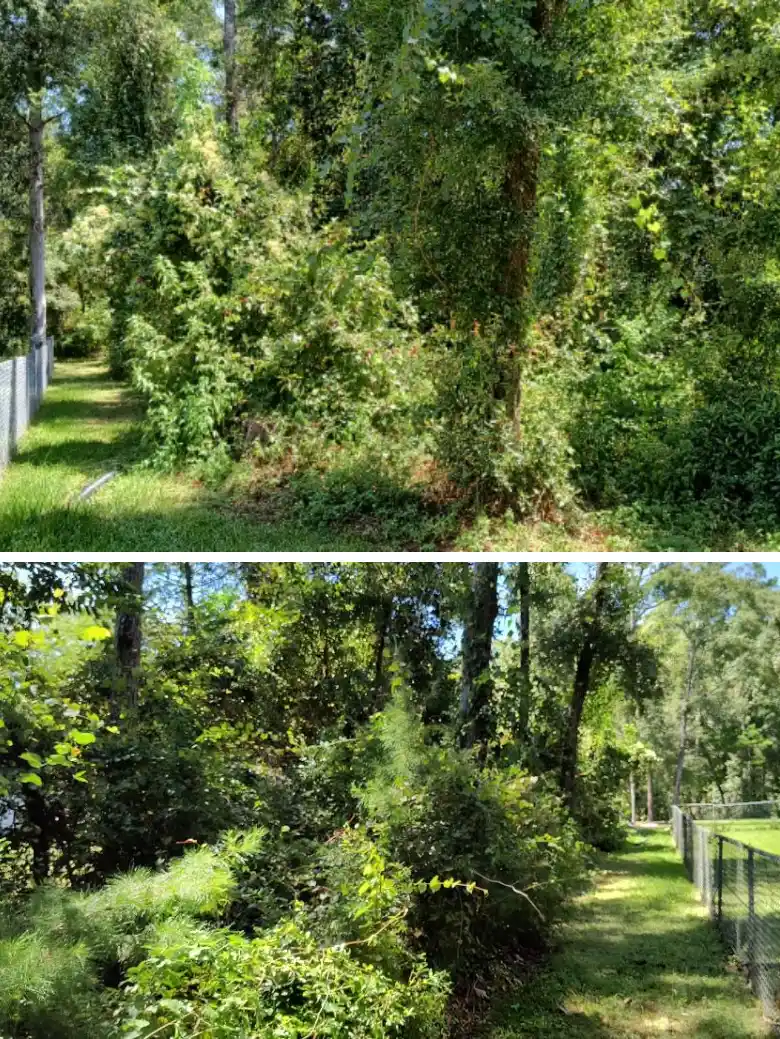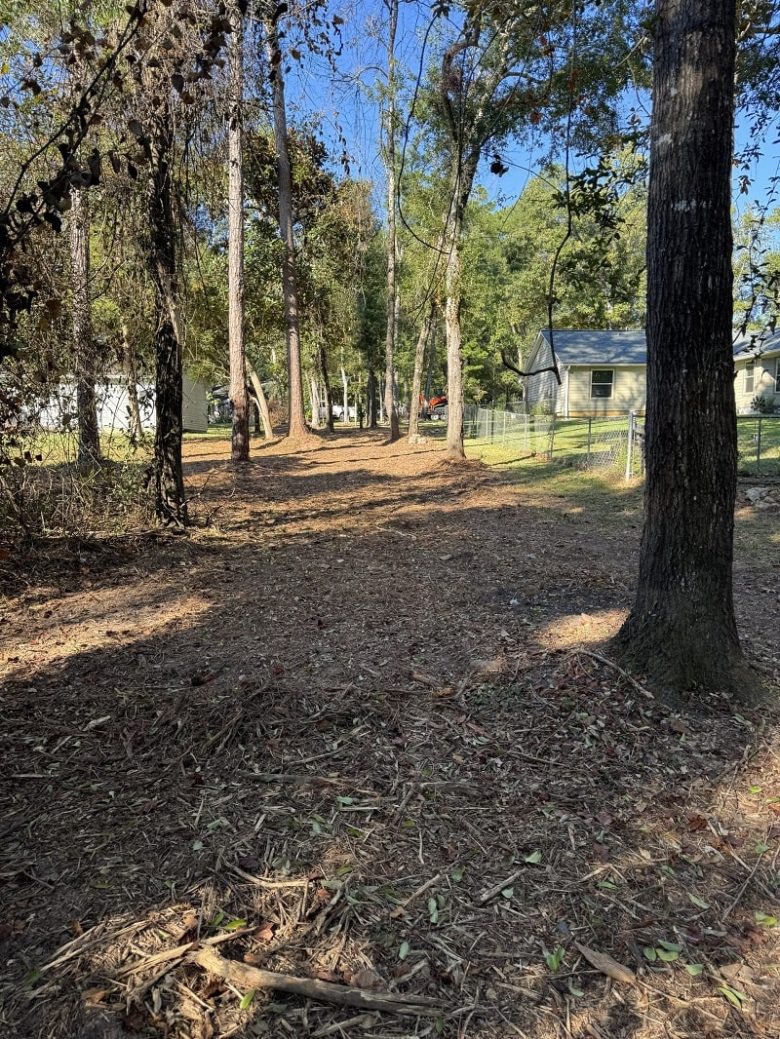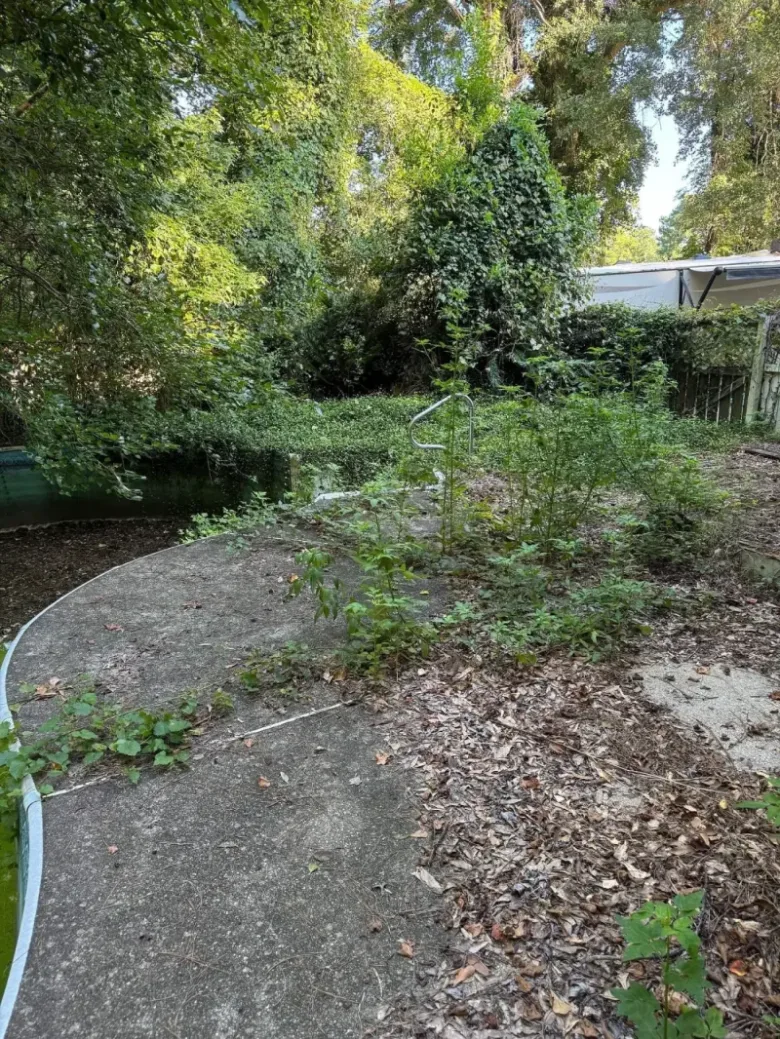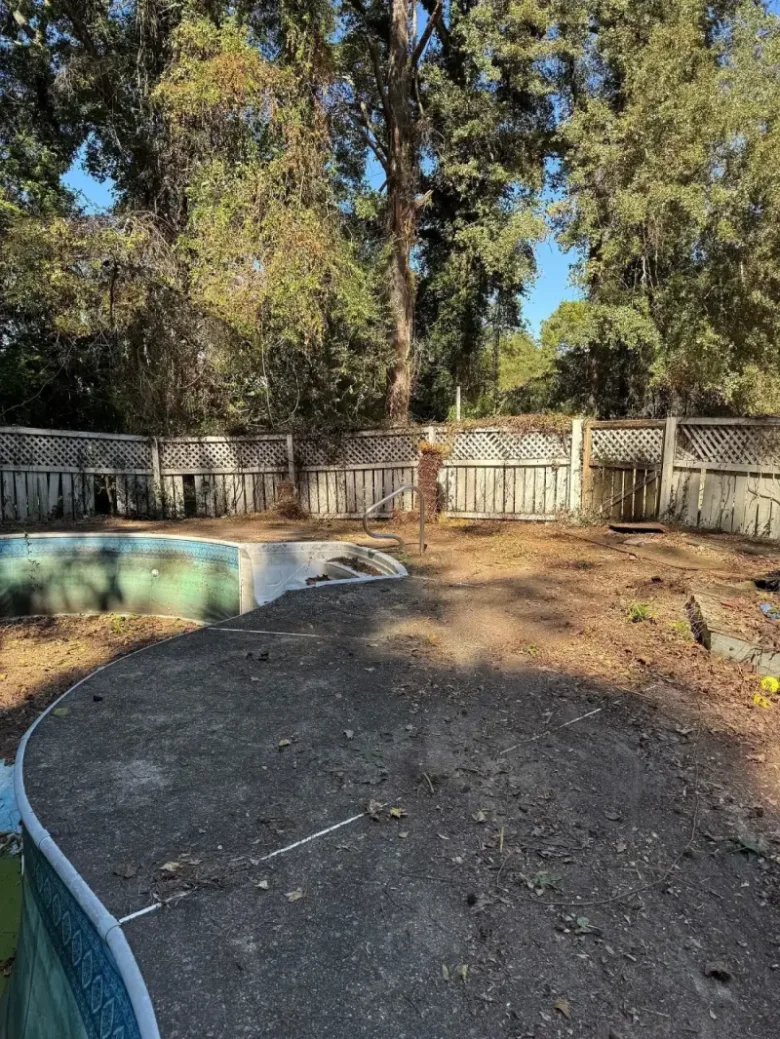
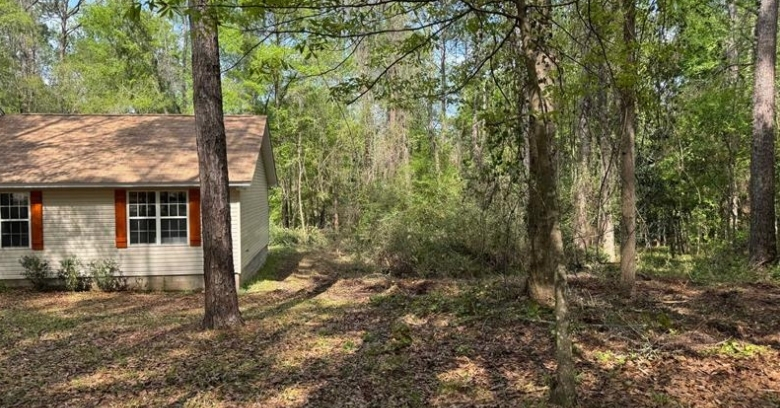
Looking into Invasive Growth Clearing in Crawfordville Florida?
EZ Acre handles clearing jobs for lots and acreage in and around Crawfordville Florida.
Ring 850-787-9300 to describe your property and what you want cleared.
Turning Overgrown Ground Into Usable Space
The goal of clearing is a lot that is open, accessible, and ready for whatever comes next, and the amount of work depends on how thick the growth is and what the owner plans to do. Typical clearing projects include home sites, driveways, fence lines, ponds, and building pads, and the planning stage matters as much as the machines.
Most people who search for Invasive Growth Clearing own a lot or acreage that has grown out of control, and the rest of this page covers the main methods and the details that matter.
Cutting Back the Tangle
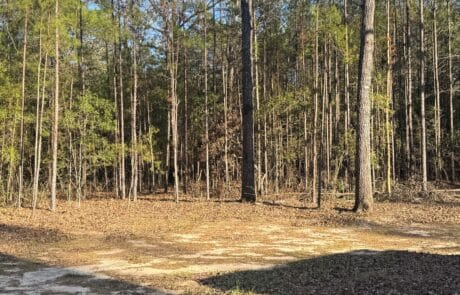
Overgrown lots collect thick brush, from woody shrubs to climbing vines, and removing it opens up the ground so the work and the land can be seen. Invasive plants spread fast and crowd out native growth, and a careful plan makes the difference between a short fix and a lasting one.
Selective clearing removes only the growth that is in the way, and a walk through the land with the crew helps settle this. When a lot is going to be built on, the whole site is cleared, down to the stumps, and mistakes in this step are hard to undo.
Trees in a Clearing Project
Tree work ranges from a single dead trunk to a stand of timber, and the direction of the fall, nearby wires, and nearby structures all shape the plan. After the trunk comes down, the stump is the next question, and the owner should decide what to do with stumps before the job begins.
Some trees cannot be cut without a permit or approval, depending on where the property sits, and checking local requirements before work begins avoids trouble. Nesting birds and protected animals are a factor on wooded land, and local wildlife agencies publish guidance for property owners.
Tools of the Trade
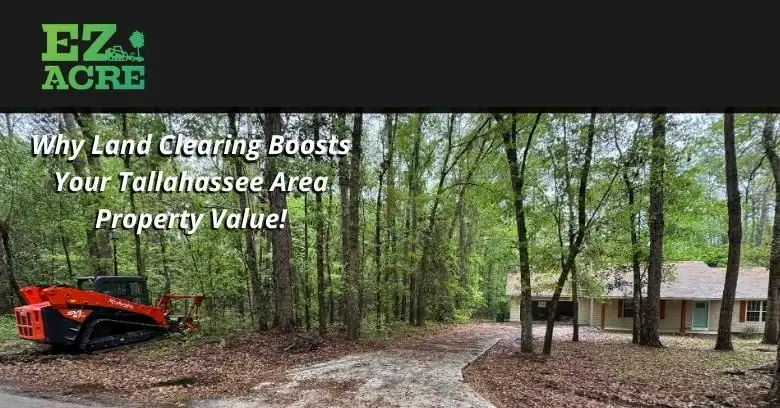
Skid steers with forestry heads can cut, grind, and clear in a single pass, and dense woods call for bigger, stronger equipment. Hand work is still part of the picture, especially around structures and fences, and the right plan blends both.
Cutting and hauling away the debris is one approach, and grinding it in place is another, and the plan should say what happens to the wood and brush. Heavy machinery can rut soft soil, especially after rain, and stabilizing bare ground after clearing is a regular step.
Leaving the Site Ready
Piles of limbs, trunks, and roots are the byproduct of any clearing job, and hauling, chipping, and leaving it in place each take a different amount of effort. Chipped material can be spread on paths, beds, and slopes, and chips near a house should be kept away from the foundation.
Cleared soil is exposed and needs to be protected from the next storm, and a bit of seed and mulch goes a long way. A last look at the property catches missed spots and leftover debris, and the result should look like what was discussed.
Working the Land in Crawfordville Florida
Low, flat ground holds water after rain, and that affects how and when machines can work, and the crew plans around the wet season and the condition of the ground. Summer here brings heat, humidity, and daily thunderstorms, and dry months offer the most dependable window for clearing.
Wind and flooding from tropical storms can topple trees and leave piles of limbs, and leaning or damaged trees should be handled before the next storm. In this climate, growth never fully stops, and regular maintenance keeps the work manageable.
Clearing for Construction and Access
Clearing for a home site extends past the walls to leave room for work and drainage, and a surveyor can mark the limits before the clearing begins. Road clearing leaves room on both sides for water to run off, and drainage along the edge keeps the surface from washing out.
Clearing along a boundary opens the line for repair or a new fence, and the work is done carefully near neighbors so nothing crosses a property line. Reclaiming a field means cutting the brush, treating the stumps, and then reseeding, and grazing can resume only after the new grass is established.
Rules and Limits on the Land
Wetlands and waterways come with rules that can restrict clearing, and a delineation by a qualified person may be needed before work begins. A cleared slope sheds water and sediment much faster than a vegetated one, and crews often keep a buffer of trees and brush between the work and the water.
Overhead lines, wells, septic systems, and drain fields all affect how a lot is cleared, and flags and paint mark the locations so the crew can see them. Work near lines should never be improvised, and owners should keep records of where lines were found.
Factors That Shape the Schedule
The size of the property is the first factor in how long clearing takes, and the plan for debris can add time at the end. Rain delays are common, especially in the wet season, and building in some extra time is wise.
A lot that is cleared and then left alone will grow over again, and a thin layer of mulch or a cover of grass slows the weeds. A clearing job connected to a plan for the land gives better results, and the result is land that stays useful.
Working Alongside the Neighbors
The work is easy to see and hear from nearby homes, and crews can avoid working at the earliest or latest hours. Trees growing on the line often have shared ownership under local rules, and a surveyor can be hired when the line is unclear.
Questions to Settle Before Work Begins
Clear property lines and a plan for the work area prevent disputes and mistakes, and talk about trees, stumps, and debris before the crew arrives. Ask who handles permits, utility locates, and haul-away of the debris, and the work goes smoothly.
With those questions answered, choosing among Invasive Growth Clearing in Crawfordville Florida gets easier, and the details are quick to confirm.
Dial 850-787-9300 to start planning the work.
Verified

Verified
Verified
Verified