Comparing Eco-Friendly Mulching in Bradfordville Florida?
EZ Acre works on mulching and land preparation for properties in and around Bradfordville Florida.
Phone 850-787-9300 to start a conversation about your land.
One Word, Several Kinds of Work
A mulch layer is any covering of plant material that sits on top of the soil, and the three most common kinds are forestry mulching, hydraulic mulching, and ordinary bed mulching. Bare soil dries and crusts, while mulched soil stays cooler and softer, and owners use it to protect land that has just been disturbed.
Anyone comparing options for Eco-Friendly Mulching is typically facing thick growth or exposed soil, and the next step is understanding which kind of mulching fits.
Forestry Mulching
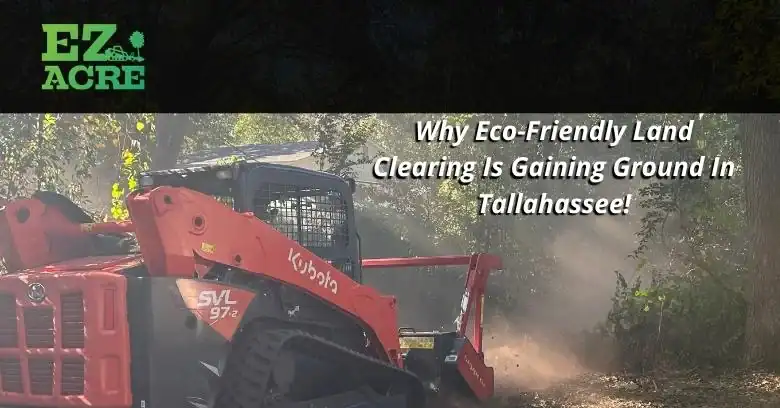
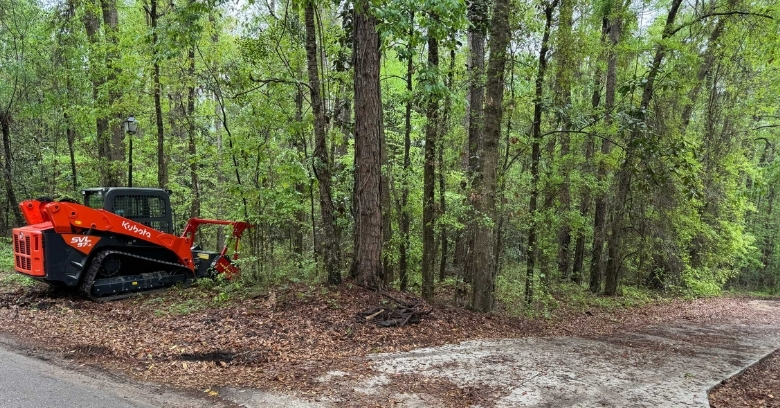
This method grinds standing vegetation into mulch without hauling any of it away, and the chips stay on the ground and form a protective layer. The machine rolls over the ground rather than scraping it, and sandy soil stays in place better with the roots left in the ground.
Machines vary in power, and the thickness of the growth determines which one is needed, and a walk through the land before the work marks what stays. The depth of chips varies with the amount of growth that was cut, and it breaks down slowly and returns nutrients to the soil.
Protecting Soil With a Liquid Mulch
In hydraulic mulching, a machine pumps a wet blend of fiber and seed onto the surface, and a green dye often shows where the spray has been applied. A slope stripped of vegetation can lose soil quickly in a heavy rain, and a quick covering reduces the sediment that reaches ditches and ponds.
Hydraulic mulching depends on weather, water, and the right mix, and a good schedule fits the application between storms. Seed that suits the soil and the sun grows into a lasting cover, and watering during the first weeks speeds up growth.
Keeping Organic Matter on the Property
Grinding growth into chips returns plant material to the soil as it decays, and the roots stay in the ground to hold the soil. Near streams and wetlands, leaving roots and a mulch cover reduces runoff, and clearing around water often needs special permission.
Organic mulch such as wood chips, pine straw, and bark is common in gardens and landscapes, and a depth of a few inches is enough for most beds. Chips left from a clearing or tree job can be spread on paths and beds, and extra chips can be stacked for later use.
How a Mulching Job Gets Done
Mulching heads attach to heavy machines that are strong enough to turn the drum at high speed, and the choice depends on the site and the size of the job. A hydroseeder is a tank on wheels with an agitator and a pump, and the machine must be able to reach the area it will spray.
Operators and bystanders both face real hazards on a mulching job, and the crew checks the ground for hidden objects before the cut. Metal and stone strike the teeth and can fly out at high speed, and nothing replaces a slow look at the ground first.
What the Climate Means for Mulching Work
The soil in many parts of this region is thin and sandy and suffers in dry spells, and a layer of mulch can make a real difference to new plantings. The wet season runs through the summer with frequent heavy rain, and crews often start early to get ahead of the afternoon storms.
Storm damage often leaves fallen trees and tangled brush that need to be cleared, and grinding the material in place can be faster than hauling it away. Thinning understory growth reduces the fuel available to a fire, and a mulched property can be easier to protect.
Stumps, Slopes, and Erosion
A mulching head cuts trees off at or just above the ground and leaves the stump, and stumps to be removed completely are handled with a dedicated stump grinder. Leaving roots intact means rainfall has less power to carry soil away, and steep ground still needs watching after the first heavy rain.
Mulch from a field machine is rougher than the bagged mulch sold for flower beds, and a thick mat of fresh chips can tie up nitrogen briefly as it decomposes. The right depth depends on whether the owner wants to suppress growth or let seed sprout, and a light pass with a rake or box blade levels the surface.
Keeping a Mulched Property in Shape
Wet-season rain and soft soil slow tracked machines and cause ruts, and hydraulic mulching and seeding follow a different rhythm. Warm, rainy conditions encourage quick new growth, and the owner may choose a yearly visit.
Refreshing a mulch layer is routine upkeep for any landscape, and raking and fluffing the surface helps it shed water. Fire safety belongs in any plan for dry mulch near buildings, and cigarette butts and sparks are risks in dry weather.
Matching the Method to the Goal
Overgrown acreage that needs to be opened up calls for a grinding machine, and erosion control on bare ground is the main reason for spray application. Using the two together turns wild growth into a stable, planted surface, and owners should ask how the pieces fit together.
Bed mulching suits yards, gardens, and the areas around new plantings, and it usually needs a topping-up each year or two. A clear description of the goal makes it easy to pick the right type, and talk about how much time you have for the work.
Sharing the Land With Animals
Before a mulcher goes in, the land may hold nests, dens, and burrows, and some species and their burrows are protected by law. Nesting season is the time of year when clearing needs the most care, and leaving a strip of untouched growth gives animals a place to go.
Questions to Settle Before Work Begins
Walk the property and decide which areas will be mulched and which will stay untouched, and a plan on paper keeps the crew and the owner on the same page. Ask who handles permits, utility locates, and any debris that will not be mulched, and the work goes smoothly.
Once you know what you want covered or cleared, Eco-Friendly Mulching in Bradfordville Florida is a short list, and it is easy to take it from there.
Call 850-787-9300 to get your lot ready for its next use.
Verified

Verified
Verified
Verified
Verified