Getting ready for Forestry Mulching Services in Bradfordville Florida?
EZ Acre helps property owners in Bradfordville Florida turn brush and small trees into mulch.
Phone 850-787-9300 to start a conversation about your land.
What Mulching Means on Land
Mulching is the practice of covering ground with a layer of organic material or of grinding vegetation into chips, and each type solves a different problem on the land. Covered soil loses less water to the sun and the wind, and owners use it to protect land that has just been disturbed.
Anyone comparing options for Forestry Mulching Services is typically facing thick growth or exposed soil, and knowing the options makes it easier to ask good questions.
Mulching as a Clearing Method
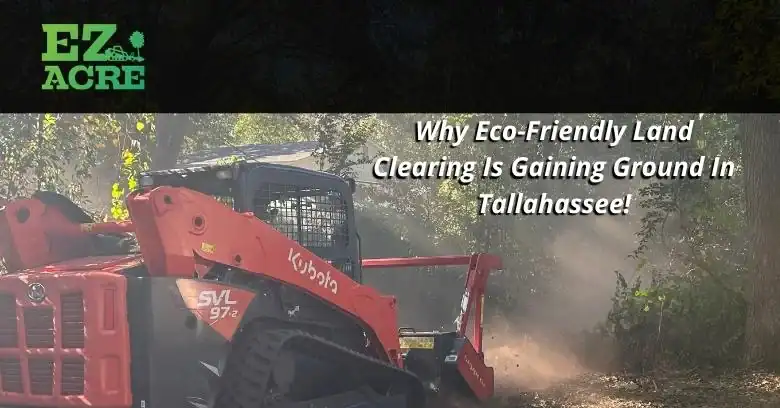
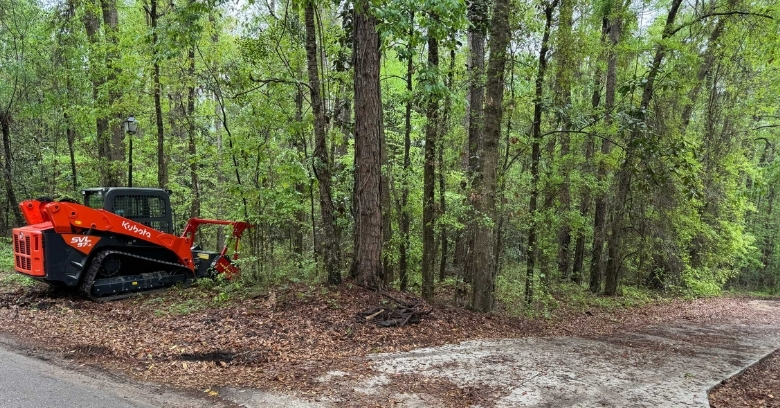
A forestry mulcher is a tractor or tracked machine with a heavy cutting head that shreds vegetation where it stands, and there are no burn piles to tend and no debris to haul. Because the roots stay in the ground, the soil holds together better than after a bulldozer clearing, and stumps are cut low, and the remaining roots decay in time.
Machines vary in power, and the thickness of the growth determines which one is needed, and the operator can leave chosen trees standing while clearing around them. A mulched lot has a soft, brown surface instead of bare soil, and new grass can be seeded through a thin layer.
Hydromulch for Slopes and New Lawns
In hydraulic mulching, a machine pumps a wet blend of fiber and seed onto the surface, and the fibers hold the seed in place and keep the moisture near it. A slope stripped of vegetation can lose soil quickly in a heavy rain, and a quick covering reduces the sediment that reaches ditches and ponds.
Applying hydromulch just before a long dry spell wastes seed, and the right blend depends on the soil and the slope. Seed that suits the soil and the sun grows into a lasting cover, and owners should ask what seed is in the mix.
Mulching With the Soil in Mind
Mulch made from cleared brush stays on the land and feeds the soil over time, and the mulch layer shelters the soil from sun and rain. Gentler methods suit land near wetlands, ponds, and wildlife habitat, and the plan should explain how the soil will be protected.
Plant-based materials break down and improve the soil over time, and a depth of a few inches is enough for most beds. Wood chips from clearing are a practical covering for trails, bare ground, and steep banks, and owners often ask the crew to leave the chips where they are useful.
Choosing the Right Machine for the Growth
A tracked mulcher can work on soft ground that would stop a wheeled machine, and operators can work close to structures and fences with the right setup. Hydroseeding equipment ranges from small trailers to large trucks, and the machine must be able to reach the area it will spray.
Operators and bystanders both face real hazards on a mulching job, and the crew checks the ground for hidden objects before the cut. Old fencing and debris can be hidden by seasons of growth, and a careful survey saves equipment and prevents accidents.
What the Climate Means for Mulching Work
Sandy ground benefits more than most from a protective cover, and a covered surface stays cooler in the summer sun. Summer here brings heat, humidity, and daily storms, and bare soil exposed in the wet season needs cover quickly.
After a hurricane, mulching is one way to deal with a large volume of vegetation on site, and a mulched lot is easier to inspect for damage. Land managers often thin and mulch vegetation to lower fire risk, and local fire agencies publish guidance for owners.
After the Trees Are Cut
A mulching head cuts trees off at or just above the ground and leaves the stump, and stumps left in place rot slowly over several seasons. The root mass under a cleared slope binds the soil together while new growth starts, and mulching is often chosen for slopes, ditch banks, and pond edges.
Chip size depends on the machine, the teeth, and the type of growth, and aging in place lets the layer settle and mellow. The right depth depends on whether the owner wants to suppress growth or let seed sprout, and chips piled in one spot can be moved for use elsewhere.
Seasonal Planning for Mulching
Dry weather lets the operator work safely and cleanly on most ground, and the best timing depends on what is being grown. Regrowth is normal and does not mean the first pass was wasted, and a follow-up pass is part of the plan for many properties.
Refreshing a mulch layer is routine upkeep for any landscape, and raking and fluffing the surface helps it shed water. A clear gap around a house is a common wildfire recommendation, and a little planning gives the benefit of mulch with lower risk.
Which Type of Mulching Fits Your Land
When the goal is to clear and leave the chips behind, forestry mulching does both at once, and exposed ground that must be seeded and held in place is the target of the hydraulic type. Clearing first and covering second is a common order on land that will become lawn or pasture, and owners should ask how the pieces fit together.
Everyday mulching is about covering soil that already has a purpose, and a thin edge along the lawn keeps the bed neat. Asking the right question at the start saves time, and it helps to mention any slopes, wet spots, or neighbors close to the work.
Mulching and the Creatures That Live There
Brush that looks empty can be full of life, especially in spring and early summer, and the best time to ask is before the machine starts. Cutting during the main nesting months can destroy active nests and young birds, and leaving a strip of untouched growth gives animals a place to go.
Preparing for a Mulching Job
Start by marking the area to be mulched and describing the growth, and it helps to photograph the property before work begins. Make sure everyone knows what is included in the work and what is not, and the owner and the crew start with the same expectations.
That is how most property owners approach Forestry Mulching Services in Bradfordville Florida, and the details are quick to confirm.
Call 850-787-9300 to talk about mulching your land.
Verified

Verified
Verified
Verified
Verified