Getting ready for Forestry Mulching Company in Crawfordville Florida?
EZ Acre helps property owners in Crawfordville Florida turn brush and small trees into mulch.
Phone 850-787-9300 to ask how a mulching project like yours is usually handled.
The Basics of the Practice
Mulching can mean cutting standing growth into chips or laying a cover of material over exposed ground, and each type solves a different problem on the land. A layer of mulch keeps the sun from baking the soil and holds water near the roots, and it helps new grass and new plants get established.
Anyone comparing options for Forestry Mulching Company is typically facing thick growth or exposed soil, and the next step is understanding which kind of mulching fits.
Mulching as a Clearing Method
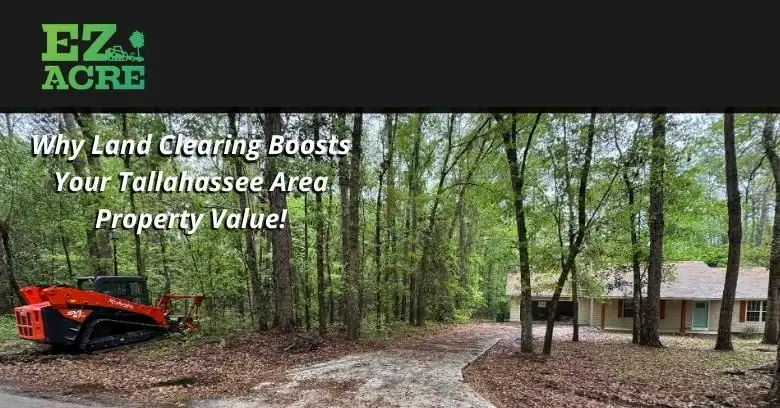
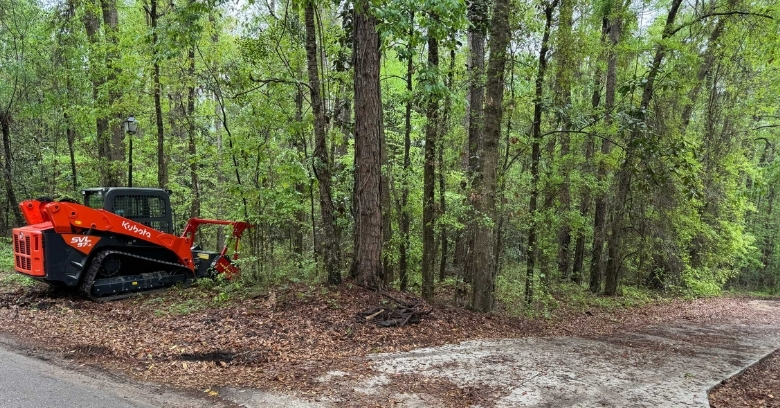
Forestry mulching uses a machine with a rotating drum of teeth that grinds trees and brush into chips, and the machine can reach places where a truck and chipper cannot. The machine rolls over the ground rather than scraping it, and fewer ruts and less bare soil mean less cleanup afterward.
The diameter of the trees is a key detail in planning a mulching job, and selective mulching clears the understory and keeps the shade trees. The mulch left behind is a thick blanket that suppresses new growth for a time, and a thick layer may need to be raked near buildings.
Hydromulch for Slopes and New Lawns
Hydromulch is a liquid mixture of paper or wood fiber, water, and tackifier that dries into a protective crust, and the fibers hold the seed in place and keep the moisture near it. Hydromulch protects soil while seed sprouts and roots take hold, and slopes and drainage swales benefit the most.
The slurry needs a dry day or two to set before heavy rain, and water must be available on site or hauled in. A mix chosen for local conditions establishes faster, and some sites need a second application.
Gentler Ways to Clear and Cover Ground
Using the vegetation that was cut as mulch closes the loop on the clearing job, and the roots stay in the ground to hold the soil. On environmentally sensitive ground, mulching with less soil disturbance is usually preferred, and the plan should explain how the soil will be protected.
Plant-based materials break down and improve the soil over time, and colors and textures vary with the source of the wood. Chips left from a clearing or tree job can be spread on paths and beds, and a thick layer on paths keeps mud down.
Choosing the Right Machine for the Growth
A tracked mulcher can work on soft ground that would stop a wheeled machine, and rubber tracks spread the weight over wet or sandy ground. Hydraulic mulching uses a trailer or truck with a mixing tank and a spray gun, and the machine must be able to reach the area it will spray.
The area around a working mulcher is no place for spectators, and the crew checks the ground for hidden objects before the cut. Rocks, old fence wire, buried metal, and stumps are risks for any mulching head, and marking the hazards before work begins is a good habit.
Sandy Soil, Wet Seasons, and Storms Around Crawfordville Florida
Much of the ground in this region is light, sandy, and low in organic matter, and returning chips to the ground builds organic matter slowly. Summer here brings heat, humidity, and daily storms, and bare soil exposed in the wet season needs cover quickly.
Wind and flooding from a major storm can turn a tidy lot into a mess of debris, and clearing weak trees and brush ahead of the season reduces what a storm can do. Land managers often thin and mulch vegetation to lower fire risk, and the mulch layer left behind is less flammable than standing brush.
After the Trees Are Cut
The machine can grind a stump to a few inches above the surface or below it with extra effort, and pastures and wild land can usually live with low stumps. On hills and banks, intact roots are the reason mulching is preferred to scraping, and mulching is often chosen for slopes, ditch banks, and pond edges.
Chips from a mulching pass vary in size, from fine shreds to chunky pieces, and a thick mat of fresh chips can tie up nitrogen briefly as it decomposes. Excess mulch on a cleared lot can be raked or spread thin, and owners can ask for the layer to be spread evenly.
Scheduling Around the Weather
Dry weather lets the operator work safely and cleanly on most ground, and planting too early in a dry spell wastes seed. Fast-growing plants resprout from the roots left in the ground, and a managed property stays open with little effort.
Wood chips decay, and the layer thins a little each season, and raking and fluffing the surface helps it shed water. A clear gap around a house is a common wildfire recommendation, and cigarette butts and sparks are risks in dry weather.
Choosing the Method for the Property
If the land is covered in brush, vines, and small trees, a mulching head is the natural fit, and the two methods often follow each other on the same property. Clearing first and covering second is a common order on land that will become lawn or pasture, and timing the second step soon after the first is wise.
Bed mulching suits yards, gardens, and the areas around new plantings, and it usually needs a topping-up each year or two. A clear description of the goal makes it easy to pick the right type, and it helps to mention any slopes, wet spots, or neighbors close to the work.
Sharing the Land With Animals
Before a mulcher goes in, the land may hold nests, dens, and burrows, and the crew can pause or adjust the work for a nest or a den. Many property owners schedule mulching and clearing for the late fall and winter, and the mulcher should be stopped if a nest is found.
What to Settle First
Walk the property and decide which areas will be mulched and which will stay untouched, and it helps to know where utilities, wells, and septic fields are located. The details of access, permits, and disposal should be settled before the job starts, and changes are easier to handle on paper than in the field.
Everything above comes down to one decision, and Forestry Mulching Company in Crawfordville Florida is where you make it, and it is easy to take it from there.
Dial 850-787-9300 to ask about brush, trees, and bare ground on your property.
Verified

Verified
Verified
Verified
Verified