Land clearing is an essential process for property development, agriculture, landscaping, and even wildfire prevention and in a state as environmentally diverse and sensitive as Florida, particularly in areas like Tallahassee and Monticello, land clearing involves far more than simply removing trees and brush. Striking the right balance between development and conservation is crucial. That is why hiring a qualified land clearing contractor in Tallahassee Florida is a significant decision that can have lasting impacts on both your property and the surrounding ecosystem.
The Sunshine State is home to a wealth of natural resources: lush forests, wetlands, wildlife habitats, and delicate aquifers all coexist across Florida's unique terrain. Landowners and developers in Tallahassee and Monticello Florida must contend not only with thick vegetation and diverse topography but also with stringent environmental regulations designed to protect Florida's native ecosystems. That means land clearing jobs here are different from those elsewhere as they require careful consideration and local expertise.
If you are planning a construction or agricultural project in North Florida, understanding the best practices and environmental implications of land clearing is vital. This guide explores what it really means to clear land responsibly in Florida, discusses how to find the right land clearing contractor, and explores how modern techniques can help protect the delicate balance of nature throughout the process.
From understanding state and county regulations to choosing techniques that minimize erosion and habitat loss, we aim to provide you with practical, actionable information. Whether you are clearing a small plot for a new home, prepping acreage for farming, or managing overgrown land for fire safety, this article will walk you through the steps and considerations so that your land clearing project in Tallahassee, Monticello, or anywhere in Florida is a success, both for your goals and Florida's vibrant environment.
Let's dig in and discover how environmentally mindful land clearing can lead to better results for you and for the future of Florida!
Environmentally Friendly Land Management: What Does It Mean?
Before a single tree comes down, it is important to know what environmentally friendly really means in the context of land clearing. In Florida, this term refers to a set of practices that minimize harm to natural habitats, reduce soil erosion, preserve valuable topsoil, and protect water resources. For example, preserving native trees and vegetation whenever possible can help keep local wildlife safe and maintain natural water cycles.
A reliable land clearing contractor in Tallahassee Florida will be versed in the local flora and fauna and know which approaches work best to achieve your objectives without causing unnecessary damage. This could involve selective clearing, mulching, or specialized equipment that reduces ground disturbance. Every parcel of land is unique and the ideal solution is always tailored to its particular needs and environmental context.
The Role of a Land Management Contractor in Florida
Engaging a professional land clearing contractor is not just about getting the job done faster; it is also about being responsible for environmental compliance and sustainable land management. Contractors experienced in Tallahassee and Monticello Florida understand not only the logistical challenges posed by the region's sandy soils and dense undergrowth but also the maze of permits and regulations governing land clearing.
Your contractor's expertise is essential for:
- Navigating state and local permitting processes
- Identifying protected or invasive species
- Advising on erosion-control methods
- Handling debris in an eco-friendly manner(such as mulching or recycling
- Coordinating with environmental consultants or wildlife experts, when needed
A good land clearing contractor goes beyond bulldozing. They become a partner in responsible land stewardship, helping you avoid costly mistakes or fines.
Florida's Regulatory Landscape: What You Need to Know
Land clearing in Florida is subject to a variety of local, county, and state regulations. In Tallahassee and Monticello, city and county codes might require you to file specific permits, especially if your parcel borders wetlands, conservation areas, or contains protected species.
Some key regulatory concerns include:
- Wetland Protection: Florida's wetlands are strictly protected. Clearing within or near wetlands often requires permits from the Florida Department of Environmental Protection or FDEP or the Army Corps of Engineers. Unauthorized disturbance can result in hefty fines.
- Tree Removal Ordinances: Many counties, including Leon with Tallahassee and Jefferson with Monticello, regulate which tree species and sizes may be removed. Protected trees may require mitigation or replacement.
- Erosion and Sediment Control: To prevent soil and water pollution, best management practices may be mandated, such as installing silt fences, sediment basins, or maintaining buffer zones along waterways.
- Wildlife Conservation: In areas where endangered or threatened species are present, special protocols may be required to protect animal habitats during clearing.
Your land clearing contractor should be versed in all applicable laws and help you secure the required documentation before work begins.
Sustainable Land Management Methods
There is no one-size-fits-all approach to land clearing, especially in ecologically sensitive regions like Tallahassee Florida. The best contractors consult closely with property owners to develop custom strategies that align with both land use goals and environmental stewardship.
1. Selective Clearing
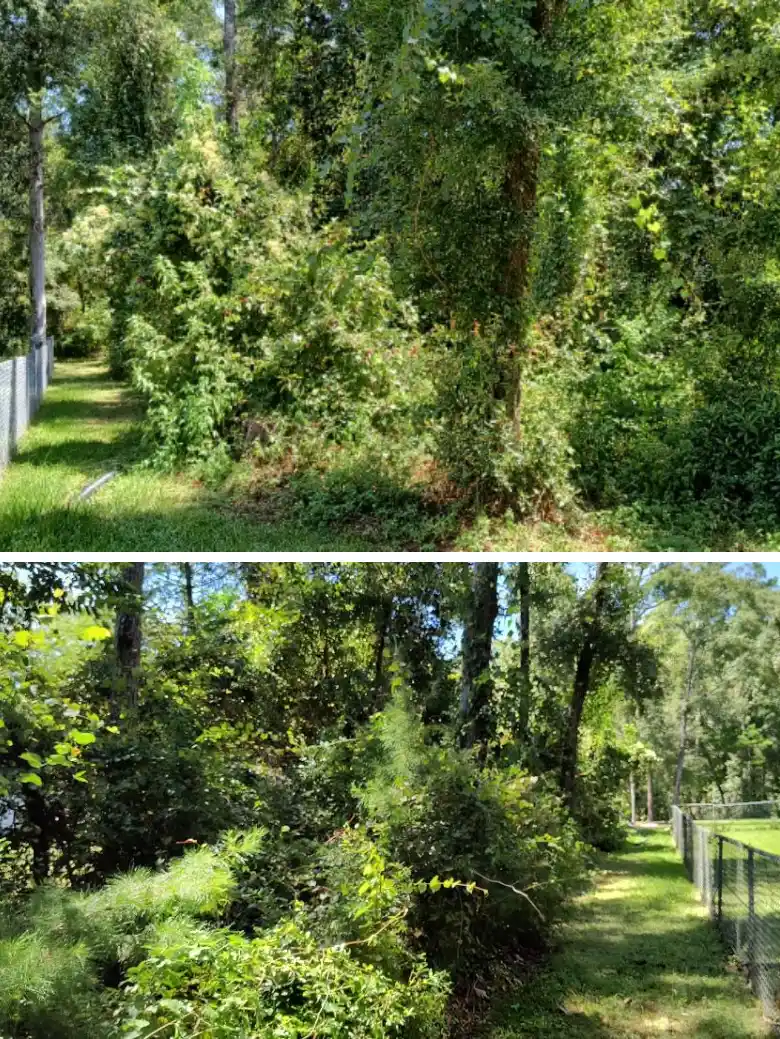
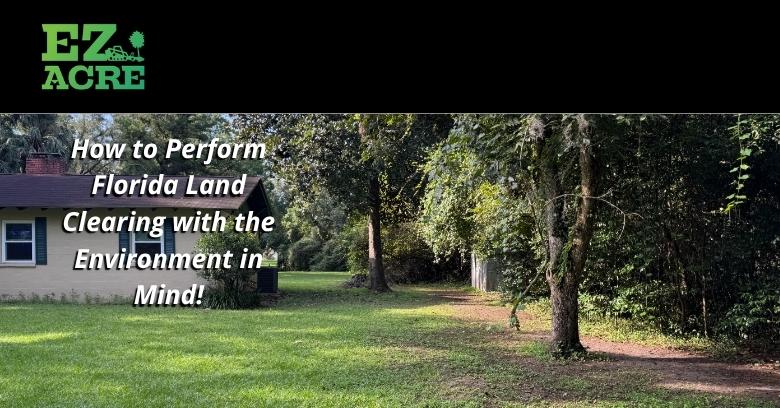
Instead of removing everything, selective clearing preserves valuable or protected vegetation. Strategic clearing helps maintain shade, reduces the risk of erosion, and preserves habitat for wildlife. This method is ideal for home sites, trails, or any project where conserving native plants is a priority.
2. Mulching and Chipping
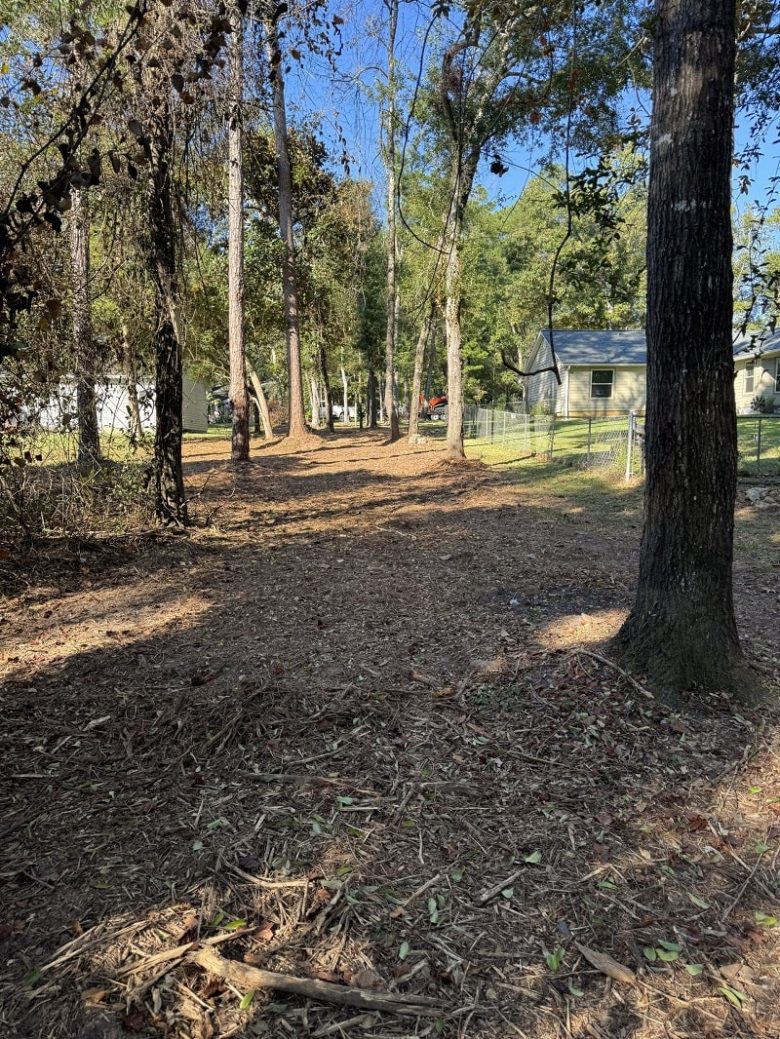
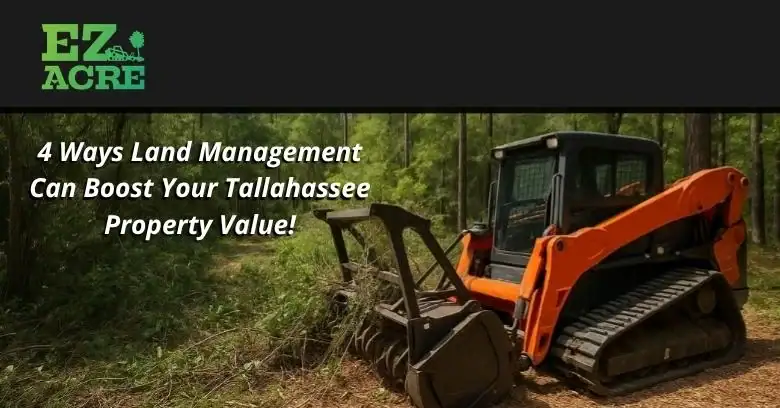
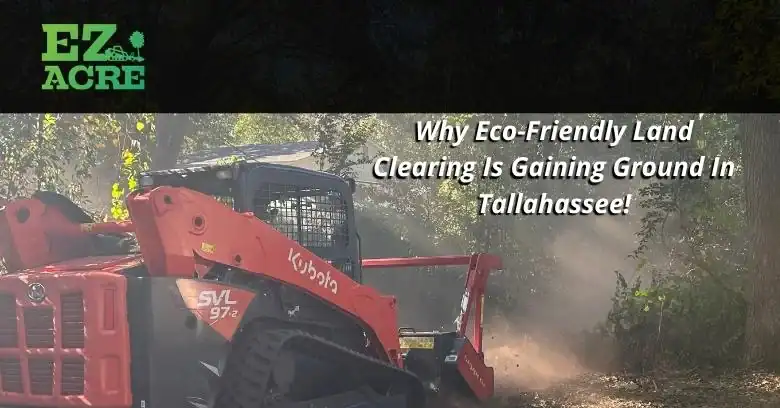
Instead of burning or hauling away debris, modern land clearing contractors often use forestry mulchers or chippers to turn underbrush and trees into nutrient-rich mulch. This ground cover helps suppress weeds, retain soil moisture, and prevent erosion, all while keeping organic matter on site. Mulching also minimizes soil disturbance, an important factor in sandy Florida soils.
3. Grubbing and Stump Removal
Stump removal is necessary for most construction projects, but brute-force extraction can damage topsoil and cause erosion. Professional contractors use specially designed equipment to carefully extract stumps while protecting the surrounding ecosystem. Grubbing which is removing roots and small shrubs should be performed with minimal soil disruption to avoid sediment runoff into creeks or wetlands.
4. Controlled Burning
Controlled or prescribed burns are sometimes used in ecological management to reduce thick undergrowth, recycle nutrients, or manage invasive species; however, burns must be meticulously planned and conducted under the supervision of certified professionals and are strictly regulated in Florida due to fire and air quality risks.
5. Erosion Control Measures
Immediately after clearing, the exposed soil is vulnerable to wind and water erosion. Best practices include installing silt fences, seeding cleared areas with fast-growing ground cover, and creating buffer zones along waterways. Many counties in North Florida require these measures as part of the permitting process.
Pros and Cons of Land Management in Tallahassee and Monticello
Pros:
- Increased Usable Land: Removes obstacles for building, farming, or landscaping.
- Enhanced Property Value: Well-cleared land can increase your property's utility and value.
- Reduced Fire Hazards: Clearing thick brush reduces wildfire risk, a real concern in Florida's dry seasons.
- Improved Access: Easier movement for construction, agriculture, or recreation.
Cons:
- Potential Habitat Loss: Indiscriminate clearing can displace wildlife or damage sensitive ecosystems.
- Soil Erosion and Water Pollution: Disturbed soil can be washed away, carrying pollutants into waterways.
- Regulatory Risks: Non-compliance with local codes or permits can result in expensive fines.
- Expense: Professional, environmentally friendly land clearing often costs more upfront but pays off by avoiding long-term damage.
Applications: Who Needs Land Management Services?
Professional land clearing in Tallahassee and Monticello Florida is essential for a variety of sectors:
- Residential Construction: Homeowners preparing to build can benefit from selective clearing that preserves mature trees for shade and beauty.
- Agriculture and Farming: Farmers need to clear new plots, maintain pastures, or control invasive species while preserving soil fertility.
- Commercial Development: Businesses require large, accessible, code-compliant sites for construction.
- Public Works and Infrastructure: Roads, utilities, and parks often require skilled clearing to balance public needs with environmental protection.
- Conservation and Habitat Restoration: Not all clearing is for development as sometimes it is necessary to restore natural habitats by removing invasive plants or accumulated underbrush.
Choosing the Right Land Management Contractor in Tallahassee Florida
The key to a successful, eco-friendly project is hiring a land clearing contractor with local expertise, the right equipment, and a strong track record of environmental compliance.
Here is what to look for:
- Experience and Credentials: Find contractors who are licensed, insured, and have verifiable experience with projects similar to yours in Tallahassee and Monticello.
- Local Knowledge: The best contractors understand the region's unique soils, vegetation, and regulations. Ask for references from past local projects.
- Environmental Awareness: They should be able to discuss erosion control, wildlife protection, and sustainable debris handling practices.
- Permitting Assistance: Look for a contractor willing to help navigate the local permitting process in order to be in compliance with city and county codes.
- Modern Equipment: Choose professionals with updated, well-maintained machinery designed for minimal soil disruption and efficient debris processing.
- Positive Reviews: Check for testimonials or online reviews from other clients in the Tallahassee area to gauge reliability and customer satisfaction.
Conclusion
Land clearing does not have to come at the expense of the environment, especially in a region as beautiful and ecologically important as Florida's panhandle. Whether you are preparing land for a new home in Tallahassee, improving farmland around Monticello, or managing wild growth for safety, the right approach makes all the difference.
Remember, responsible land clearing means prioritizing environmental health, regulatory compliance, and sustainable practices at every step. By choosing an experienced land clearing contractor in Tallahassee Florida, you can achieve your property goals while helping to preserve the region's natural beauty and vitality for generations to come.
If you are ready to clear land with care for your family, your community, and the environment, start by consulting a local expert who understands both the lay of the land and the importance of stewardship.
Contact a trusted land clearing contractor serving Tallahassee and Monticello Florida today and take the first step toward sustainable, successful land management!
Key Takeaways
- Partner with Local Experts: Always hire a land clearing contractor in Tallahassee Florida who understands regional regulations, native habitats, and local soil conditions. Their expertise delivers a smoother, legally compliant project.
- Obtain the Proper Permits: Florida, especially in areas around Tallahassee and Monticello, has strict land clearing rules. Never begin work without the required environmental or tree removal permits to avoid fines and project delays.
- Embrace Sustainable Techniques: Selective clearing, mulching, and erosion-control measures are critical for protecting Florida's soils and ecosystems. Avoid clear-cutting whenever possible.
- Value Wildlife and Waterways: Work with your contractor to identify and protect sensitive habitats, wetlands, and waterways during clearing. Maintaining buffer zones helps keep local ecosystems vibrant.
- Manage Debris Responsibly: Instead of burning or dumping, opt for mulching vegetation on-site. This retains valuable nutrients and helps prevent erosion.
- Plan for Erosion Control: As soon as land is cleared, take steps to manage runoff and soil loss as silt fences, seed cover, and natural buffers all help keep the land and nearby water clean.
- Communicate Your Vision: Be clear with your land clearing contractor about which trees or features you want preserved. Good communication means the project fits your needs and aligns with your environmental goals.
- Monitor for Invasive Species: Clearing land creates opportunities for invasive plants; partner with your contractor for early detection and management strategies.
- Tailor Your Approach: Each land parcel is unique. Your contractor should design a custom clearing plan that fits your goals, budget, and the specific requirements of your property in Tallahassee or Monticello.
- Think Long-Term: Environmentally sensitive land clearing is not just about today's project; it is an investment in your land's long-term health, value, and sustainability.
FAQs
1. What is land clearing and why is it important in Tallahassee Florida?
Land clearing involves removing trees, brush, and other natural obstacles to prepare land for development or agriculture. In Tallahassee Florida, it is essential for construction projects, farming, wildfire prevention, and maintaining property values.
2. How do I choose the right land clearing contractor in Tallahassee or Monticello?
Look for experienced, licensed contractors with local references, environmental knowledge, proper insurance, and a strong understanding of Florida's land management regulations.
3. Do I need a permit for land clearing in Florida?
Yes, most land clearing in Tallahassee and Monticello requires permits, especially if your property contains protected trees, wetlands, or is near conservation areas. Your contractor should help navigate this process.
4. What eco-friendly land clearing options are available?
Options include selective clearing, on-site mulching of debris, minimizing soil disturbance, and installing erosion control measures. Discuss these methods with your land clearing contractor to determine the best fit.
5. Will land clearing harm local wildlife or water quality?
If done carelessly, it can cause harm. But responsible land clearing contractors take steps to protect habitats, maintain waterway buffer zones, and minimize soil erosion.
6. How can I prevent erosion after clearing my land?
Use mulching, re-seeding, silt fences, and buffer zones to maintain ground cover and prevent soil from washing into nearby waterways.
7. Is controlled burning a safe option in Florida?
Controlled burning can be safe when conducted by certified professionals under a permit, but it is strictly regulated in Florida due to fire and air-quality risks.
8. Can my cleared debris be recycled or reused?
Yes! Many contractors use chipping or mulching equipment to turn cleared vegetation into reusable mulch or compost, keeping valuable organic material on site.
9. How long does a typical land clearing project take?
The timeline varies based on property size, vegetation density, permitting, and weather. Small residential jobs may take a day or two; larger or more complex projects can take weeks.
10. What makes land clearing in Florida different from other states?
Florida's unique mix of wetlands, protected species, sandy soils, and strict regulations makes careful, environmentally aware land clearing especially important in places like Tallahassee and Monticello.