Getting ready for Eco-Friendly Mulching in Monticello Florida?
EZ Acre is a land services business that does mulching work in Monticello Florida.
Reach us at 850-787-9300 to describe your property and the growth on it.
The Basics of the Practice
Mulching can mean cutting standing growth into chips or laying a cover of material over exposed ground, and a short description of the property usually shows which type fits. Mulch holds moisture, shades the soil, and slows weeds, and owners use it to protect land that has just been disturbed.
People looking up Eco-Friendly Mulching usually have a clear idea of the result they want, and the rest of this page explains the main types and the details that matter.
Grinding Brush and Trees in Place
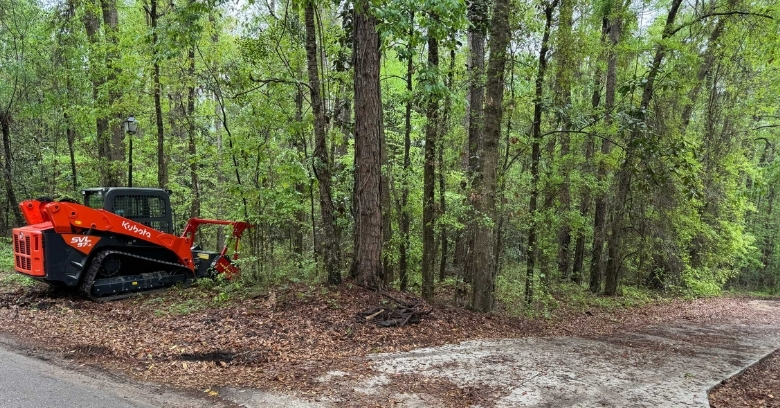
The mulching head spins at high speed and reduces brush, saplings, and even sizable trees to chips, and there are no burn piles to tend and no debris to haul. The machine rolls over the ground rather than scraping it, and sandy soil stays in place better with the roots left in the ground.
The diameter of the trees is a key detail in planning a mulching job, and a walk through the land before the work marks what stays. A mulched lot has a soft, brown surface instead of bare soil, and it breaks down slowly and returns nutrients to the soil.
Spray-On Mulch Explained
Hydraulic mulching sprays a slurry of water, mulch fibers, and often seed onto bare ground, and the fibers hold the seed in place and keep the moisture near it. Erosion control is one of the main jobs of hydraulic mulching, and good timing matters, since a storm can arrive before the cover does.
The slurry needs a dry day or two to set before heavy rain, and some mixes include fertilizer to help the grass start. A mix chosen for local conditions establishes faster, and watering during the first weeks speeds up growth.
Keeping Organic Matter on the Property
Using the vegetation that was cut as mulch closes the loop on the clearing job, and fewer trucks and less hauling mean less fuel burned and less traffic. Care near water is a legal requirement in many cases, not only a preference, and a careful crew will mark the line it will not cross.
Organic mulch such as wood chips, pine straw, and bark is common in gardens and landscapes, and it keeps roots cool, holds water, and slows weeds. Using fresh chips from a clearing job as landscape mulch saves effort, and aged chips are better for gardens than fresh ones.
How a Mulching Job Gets Done
Mulching heads attach to heavy machines that are strong enough to turn the drum at high speed, and smaller units handle brush and vines in tight spaces. Hydraulic mulching uses a trailer or truck with a mixing tank and a spray gun, and the size of the tank decides how many acres a load covers.
The area around a working mulcher is no place for spectators, and the crew checks the ground for hidden objects before the cut. Metal and stone strike the teeth and can fly out at high speed, and marking the hazards before work begins is a good habit.
What the Climate Means for Mulching Work
The soil in many parts of this region is thin and sandy and suffers in dry spells, and a layer of mulch can make a real difference to new plantings. Summer here brings heat, humidity, and daily storms, and crews often start early to get ahead of the afternoon storms.
Hurricane season runs from June through November and brings storms that fell trees and fill yards with debris, and a mulched lot is easier to inspect for damage. Land managers often thin and mulch vegetation to lower fire risk, and a mulched property can be easier to protect.
Holding the Ground in Place
Mulching removes everything above the ground and leaves the root system in place, and the owner should decide whether the stumps can stay or must be ground out. Leaving roots intact means rainfall has less power to carry soil away, and mulching is often chosen for slopes, ditch banks, and pond edges.
Chips from a mulching pass vary in size, from fine shreds to chunky pieces, and the appearance changes over time from fresh wood color to soft brown. Mulch depth matters, and too much can be as much of a problem as too little, and it helps to let the crew know where a thick layer is welcome.
Keeping a Mulched Property in Shape
Wet-season rain and soft soil slow tracked machines and cause ruts, and the best timing depends on what is being grown. Warm, rainy conditions encourage quick new growth, and a managed property stays open with little effort.
Mulch breaks down over time and needs topping up where a thick layer is wanted, and weeds that sprout through a thin layer are pulled early. Homeowners in fire-prone areas are advised to use a noncombustible zone near the foundation, and chips are better used farther out on the property.
Matching the Method to the Goal
Dense vegetation that blocks access and sight lines is the job forestry mulching is built for, and exposed ground that must be seeded and held in place is the target of the hydraulic type. Forestry work opens the ground, and the hydraulic spray then protects it, and owners should ask how the pieces fit together.
Everyday mulching is about covering soil that already has a purpose, and the material can be delivered in bulk or made from cleared growth. Owners who describe the problem rather than the method get better advice, and it helps to have a picture in mind of the finished property.
Wildlife, Nesting, and Care on Wooded Land
Before a mulcher goes in, the land may hold nests, dens, and burrows, and local wildlife agencies publish guidance for property owners. Nesting season is the time of year when clearing needs the most care, and a short survey of the land by a person who knows the area is useful.
Questions to Settle Before Work Begins
A clear boundary and a plan for the work area prevent disputes and mistakes, and it helps to discuss trees to keep, trees to remove, and any areas to avoid. Check local rules, since some areas require approval before clearing or tree removal, and there are no surprises when the crew arrives.
Everything above comes down to one decision, and Eco-Friendly Mulching in Monticello Florida is where you make it, and a call usually settles the rest.
Call 850-787-9300 to talk about mulching your land.
Verified

Verified
Verified
Verified
Verified