Looking into Hydraulic Mulching Contractor in Monticello Florida?
EZ Acre helps property owners in Monticello Florida turn brush and small trees into mulch.
Reach us at 850-787-9300 to describe your property and the growth on it.
Turning Growth Into Mulch
On a property, mulching usually means grinding or spreading plant material so it protects the soil, and the three most common kinds are forestry mulching, hydraulic mulching, and ordinary bed mulching. Mulch holds moisture, shades the soil, and slows weeds, and mulching is a common step after clearing and planting.
A search for Hydraulic Mulching Contractor often starts with an overgrown lot or a freshly disturbed slope, and the rest of this page explains the main types and the details that matter.
Mulching as a Clearing Method
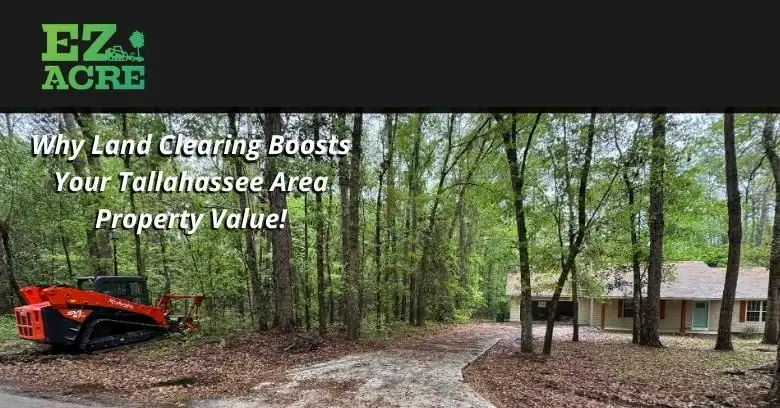
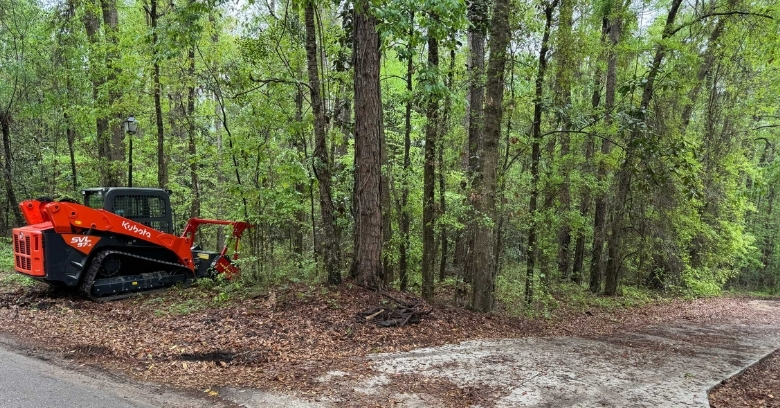
This method grinds standing vegetation into mulch without hauling any of it away, and there are no burn piles to tend and no debris to haul. The machine rolls over the ground rather than scraping it, and sandy soil stays in place better with the roots left in the ground.
Machines vary in power, and the thickness of the growth determines which one is needed, and the operator can leave chosen trees standing while clearing around them. The depth of chips varies with the amount of growth that was cut, and the chips can be left as they are on wild land.
Protecting Soil With a Liquid Mulch
Hydraulic mulching sprays a slurry of water, mulch fibers, and often seed onto bare ground, and it is used on slopes, new lawns, roadsides, and freshly graded sites. Hydromulch protects soil while seed sprouts and roots take hold, and rules for construction sites frequently require erosion control.
The slurry needs a dry day or two to set before heavy rain, and slopes may need an extra layer or a stronger binder. The mulch only protects the soil until the grass takes over, and watering during the first weeks speeds up growth.
Mulching With the Soil in Mind
Leaving chips in place recycles nutrients that would otherwise be hauled to a landfill, and there is no smoke from burn piles. Gentler methods suit land near wetlands, ponds, and wildlife habitat, and a careful crew will mark the line it will not cross.
Organic mulch such as wood chips, pine straw, and bark is common in gardens and landscapes, and it needs to be refreshed as it breaks down. Fresh chips are best left to age a while before they are placed near delicate plants, and aged chips are better for gardens than fresh ones.
Choosing the Right Machine for the Growth
Different machines suit different terrain and different density of growth, and the choice depends on the site and the size of the job. A hydroseeder is a tank on wheels with an agitator and a pump, and the size of the tank decides how many acres a load covers.
Machines that grind trees and brush are heavy and loud, and the crew checks the ground for hidden objects before the cut. Old fencing and debris can be hidden by seasons of growth, and nothing replaces a slow look at the ground first.
What the Climate Means for Mulching Work
Sandy ground benefits more than most from a protective cover, and a covered surface stays cooler in the summer sun. The wet season runs through the summer with frequent heavy rain, and crews often start early to get ahead of the afternoon storms.
Hurricane season runs from June through November and brings storms that fell trees and fill yards with debris, and clearing storm debris promptly keeps the yard safe and usable. Thick underbrush is fuel, and dry spells make fires more likely, and local fire agencies publish guidance for owners.
Holding the Ground in Place
A mulching head cuts trees off at or just above the ground and leaves the stump, and building areas generally need stumps and large roots removed. Leaving roots intact means rainfall has less power to carry soil away, and bare patches can be covered by hydraulic mulch if needed.
The mulch left by a forestry head is coarse, with a mix of bark, wood, and leaves, and aging in place lets the layer settle and mellow. A layer a few inches thick works well on most ground, but a thick pile smothers new growth, and it helps to let the crew know where a thick layer is welcome.
Scheduling Around the Weather
Dry weather lets the operator work safely and cleanly on most ground, and hydraulic mulching and seeding follow a different rhythm. Growth comes back quickly after mulching in a warm, wet climate, and a follow-up pass is part of the plan for many properties.
Mulch is not permanent, and part of its value is that it decays into the soil, and fresh chips can be spread over the old layer. Dry wood chips can burn, so thick mulch is best kept away from structures, and gravel or bare ground near the walls is a safe choice.
Choosing the Method for the Property
Dense vegetation that blocks access and sight lines is the job forestry mulching is built for, and exposed ground that must be seeded and held in place is the target of the hydraulic type. Clearing first and covering second is a common order on land that will become lawn or pasture, and a single conversation can settle the whole sequence.
For a home landscape, a few inches of mulch around the plants does the job, and a thin edge along the lawn keeps the bed neat. Owners who describe the problem rather than the method get better advice, and the conversation goes fastest when the goal is clear.
Checking for Wildlife Before the Cut
Before a mulcher goes in, the land may hold nests, dens, and burrows, and the crew can pause or adjust the work for a nest or a den. Cutting during the main nesting months can destroy active nests and young birds, and a short survey of the land by a person who knows the area is useful.
Getting the Job Scoped Right
Flagging tape or stakes help define the limits of the work, and a plan on paper keeps the crew and the owner on the same page. Locating buried utilities before any machine goes on the ground is a standard step, and the work goes smoothly.
That is how most property owners approach Hydraulic Mulching Contractor in Monticello Florida, and a few minutes on the phone is enough to start.
Ring 850-787-9300 to ask about brush, trees, and bare ground on your property.
Verified

Verified
Verified
Verified
Verified