Getting ready for Hydraulic Mulching in Monticello Florida?
EZ Acre offers mulching work for property owners in Monticello Florida.
Call 850-787-9300 to go over the size of the area and the kind of vegetation.
What Mulching Means on Land
Mulching is the practice of covering ground with a layer of organic material or of grinding vegetation into chips, and a short description of the property usually shows which type fits. Bare soil dries and crusts, while mulched soil stays cooler and softer, and it also slows the washing away of soil in heavy rain.
That is the need behind many searches for Hydraulic Mulching , and a short conversation can sort out what the job calls for.
Clearing With a Mulching Head
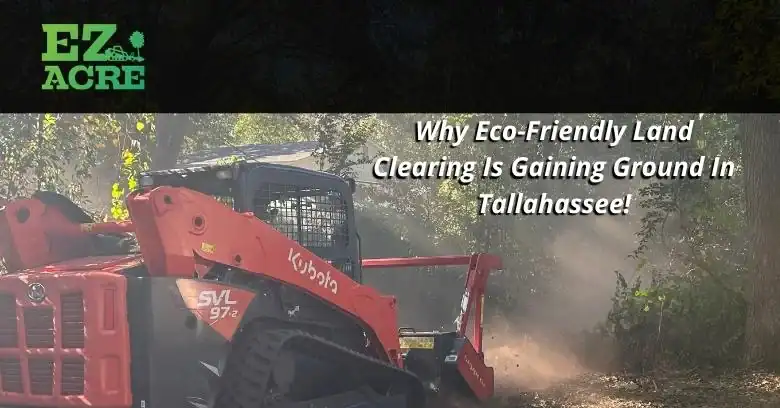
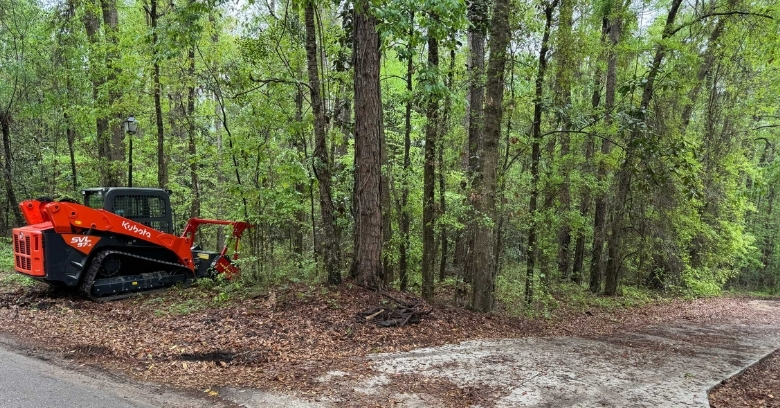
This method grinds standing vegetation into mulch without hauling any of it away, and one machine does the work that once took a crew with saws, a chipper, and a truck. Forestry mulching disturbs the soil less than pushing and piling does, and stumps are cut low, and the remaining roots decay in time.
Light brush and vines are easy work, but big hardwoods call for a heavy machine, and a walk through the land before the work marks what stays. The finished ground is covered with a carpet of chips, and the layer slows weeds and holds moisture.
Hydraulic Mulching
Hydraulic mulching sprays a slurry of water, mulch fibers, and often seed onto bare ground, and the binder helps the mulch stay put through rain and wind. A slope stripped of vegetation can lose soil quickly in a heavy rain, and a quick covering reduces the sediment that reaches ditches and ponds.
The slurry needs a dry day or two to set before heavy rain, and some mixes include fertilizer to help the grass start. Seed that suits the soil and the sun grows into a lasting cover, and new grass needs time before it can take foot traffic.
Mulching With the Soil in Mind
Mulch made from cleared brush stays on the land and feeds the soil over time, and nothing leaves the property except what the owner chooses to send away. Gentler methods suit land near wetlands, ponds, and wildlife habitat, and a careful crew will mark the line it will not cross.
Organic mulch such as wood chips, pine straw, and bark is common in gardens and landscapes, and a depth of a few inches is enough for most beds. Mulch made on site is a natural byproduct of the work, though it may need to age, and extra chips can be stacked for later use.
What Shows Up on a Mulching Job
Different machines suit different terrain and different density of growth, and the choice depends on the site and the size of the job. A hydroseeder is a tank on wheels with an agitator and a pump, and the machine must be able to reach the area it will spray.
Operators and bystanders both face real hazards on a mulching job, and the crew checks the ground for hidden objects before the cut. Old fencing and debris can be hidden by seasons of growth, and fixed objects like wells and posts need flags.
Ground and Weather Around Monticello Florida
The soil in many parts of this region is thin and sandy and suffers in dry spells, and returning chips to the ground builds organic matter slowly. Summer here brings heat, humidity, and daily storms, and schedules should always include some room for weather.
Wind and flooding from a major storm can turn a tidy lot into a mess of debris, and clearing storm debris promptly keeps the yard safe and usable. Land managers often thin and mulch vegetation to lower fire risk, and a mulched property can be easier to protect.
What Is Left Behind and How It Behaves
Mulching removes everything above the ground and leaves the root system in place, and the owner should decide whether the stumps can stay or must be ground out. The root mass under a cleared slope binds the soil together while new growth starts, and new seed can be sown straight into the mulch.
Chip size depends on the machine, the teeth, and the type of growth, and finer chips decay faster than larger pieces. Piling chips deeply against trees or buildings invites rot and pests, and it helps to check the depth near foundations and keep it thin there.
Scheduling Around the Weather
Wet-season rain and soft soil slow tracked machines and cause ruts, and the best timing depends on what is being grown. Within a season, a mulched lot may show new shoots from stumps and vines, and the owner may choose a yearly visit.
A mulched bed or path should be topped up every year or two, and a light touch each season beats a heavy overhaul. A clear gap around a house is a common wildfire recommendation, and a little planning gives the benefit of mulch with lower risk.
Which Type of Mulching Fits Your Land
Dense vegetation that blocks access and sight lines is the job forestry mulching is built for, and a freshly graded slope or a new lawn area belongs to the spray method. Clearing first and covering second is a common order on land that will become lawn or pasture, and a gap between clearing and cover is a window for erosion.
Everyday mulching is about covering soil that already has a purpose, and it keeps roots cool, holds water, and slows weeds. Owners who describe the problem rather than the method get better advice, and it helps to mention any slopes, wet spots, or neighbors close to the work.
Wildlife, Nesting, and Care on Wooded Land
Habitat is part of every parcel of untended land, and local wildlife agencies publish guidance for property owners. Nesting season is the time of year when clearing needs the most care, and it helps to ask about local rules on nesting season and protected species.
Questions to Settle Before Work Begins
A clear boundary and a plan for the work area prevent disputes and mistakes, and it helps to know where utilities, wells, and septic fields are located. The details of access, permits, and disposal should be settled before the job starts, and changes are easier to handle on paper than in the field.
With those questions answered, choosing among Hydraulic Mulching in Monticello Florida gets easier, and the next step is a conversation about your property.
Phone 850-787-9300 to get your lot ready for its next use.
Verified

Verified
Verified
Verified
Verified