Researching Eco-Friendly Mulching in Quincy Florida?
EZ Acre works on mulching and land preparation for properties in and around Quincy Florida.
Dial 850-787-9300 to go over the size of the area and the kind of vegetation.
Mulch as a Way to Clear and Protect
Mulching can mean cutting standing growth into chips or laying a cover of material over exposed ground, and a short description of the property usually shows which type fits. Bare soil dries and crusts, while mulched soil stays cooler and softer, and it can keep a property looking tidy for a long time.
Most people who search for Eco-Friendly Mulching have brush or bare ground that needs attention, and the rest of this page explains the main types and the details that matter.
Mulching as a Clearing Method
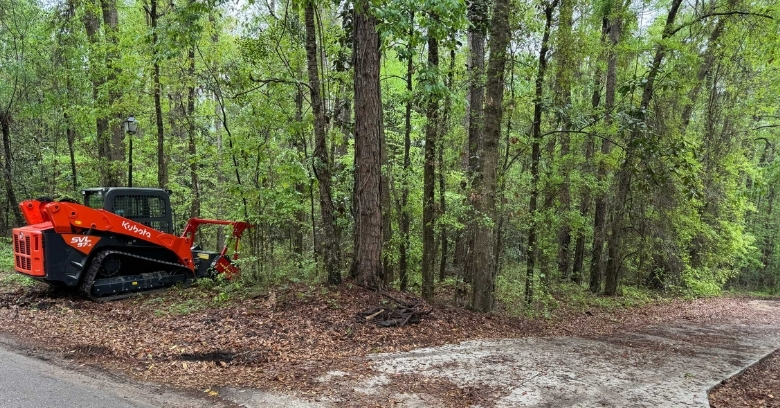
The mulching head spins at high speed and reduces brush, saplings, and even sizable trees to chips, and the chips stay on the ground and form a protective layer. Because the roots stay in the ground, the soil holds together better than after a bulldozer clearing, and the mulch layer protects the surface from the next rain.
Machines vary in power, and the thickness of the growth determines which one is needed, and the cutting head can be steered close to trees without harming them. A mulched lot has a soft, brown surface instead of bare soil, and the chips can be left as they are on wild land.
Spraying Mulch and Seed on Bare Ground
In hydraulic mulching, a machine pumps a wet blend of fiber and seed onto the surface, and the binder helps the mulch stay put through rain and wind. A slope stripped of vegetation can lose soil quickly in a heavy rain, and a quick covering reduces the sediment that reaches ditches and ponds.
The slurry needs a dry day or two to set before heavy rain, and a good schedule fits the application between storms. Grass types vary in how well they handle sun, shade, and sandy ground, and some sites need a second application.
Leaving the Land in Better Shape
Mulch made from cleared brush stays on the land and feeds the soil over time, and the mulch layer shelters the soil from sun and rain. Near streams and wetlands, leaving roots and a mulch cover reduces runoff, and clearing around water often needs special permission.
Plant-based materials break down and improve the soil over time, and a depth of a few inches is enough for most beds. Mulch made on site is a natural byproduct of the work, though it may need to age, and aged chips are better for gardens than fresh ones.
Choosing the Right Machine for the Growth
The carrier machine does the driving and the head does the grinding, and operators can work close to structures and fences with the right setup. A hydroseeder is a tank on wheels with an agitator and a pump, and steep slopes can be sprayed from the bottom with a long hose.
A mulching head can throw chips, rocks, and debris a long way, and people and pets should stay well back from the work. Rocks, old fence wire, buried metal, and stumps are risks for any mulching head, and fixed objects like wells and posts need flags.
Ground and Weather Around Quincy Florida
Sand holds little water or nutrients, and mulch helps with both, and the benefit is greatest in the dry months. Summer here brings heat, humidity, and daily storms, and schedules should always include some room for weather.
Tropical systems topple trees and scatter limbs across properties, and a mulched lot is easier to inspect for damage. Dense brush can also feed wildfires in dry seasons, and burn bans are common in dry spells.
Stumps, Slopes, and Erosion
A mulching head cuts trees off at or just above the ground and leaves the stump, and stumps left in place rot slowly over several seasons. On hills and banks, intact roots are the reason mulching is preferred to scraping, and the chip layer adds another layer of protection.
The mulch left by a forestry head is coarse, with a mix of bark, wood, and leaves, and finer chips decay faster than larger pieces. Piling chips deeply against trees or buildings invites rot and pests, and it helps to let the crew know where a thick layer is welcome.
Timing, Seasons, and Upkeep
Machines work best on firm ground, and the drier part of the year provides that, and the best timing depends on what is being grown. Within a season, a mulched lot may show new shoots from stumps and vines, and a follow-up pass is part of the plan for many properties.
Mulch breaks down over time and needs topping up where a thick layer is wanted, and thin patches show up first near edges and on slopes. Fire safety belongs in any plan for dry mulch near buildings, and gravel or bare ground near the walls is a safe choice.
Which Type of Mulching Fits Your Land
Forestry mulching is the choice when the problem is thick growth that has to come out, and a freshly graded slope or a new lawn area belongs to the spray method. A property may be cleared by mulching and then seeded with a hydraulic application, and owners should ask how the pieces fit together.
Ordinary landscape mulching is the choice when the goal is to protect plants and beds, and it usually needs a topping-up each year or two. Telling the crew whether the aim is clearing, cover, or decoration points to the right service, and it helps to have a picture in mind of the finished property.
Checking for Wildlife Before the Cut
Thick brush shelters animals that nest, burrow, and hide in the growth, and local wildlife agencies publish guidance for property owners. The calendar matters for both legal and practical reasons, and it helps to ask about local rules on nesting season and protected species.
What to Settle First
The first step in any mulching job is knowing exactly where it starts and stops, and it helps to photograph the property before work begins. Check local rules, since some areas require approval before clearing or tree removal, and there are no surprises when the crew arrives.
Once you know what you want covered or cleared, Eco-Friendly Mulching in Quincy Florida is a short list, and the next step is a conversation about your property.
Dial 850-787-9300 to get your lot ready for its next use.
Verified

Verified
Verified
Verified
Verified