Getting ready for Forestry Mulching in Quincy Florida?
EZ Acre offers mulching work for property owners in Quincy Florida.
Call 850-787-9300 to talk through what you want mulched.
What Mulching Means on Land
A mulch layer is any covering of plant material that sits on top of the soil, and the right type depends on whether the goal is clearing, erosion control, or protection. Mulch holds moisture, shades the soil, and slows weeds, and it also slows the washing away of soil in heavy rain.
A search for Forestry Mulching often starts with an overgrown lot or a freshly disturbed slope, and a short conversation can sort out what the job calls for.
Grinding Brush and Trees in Place
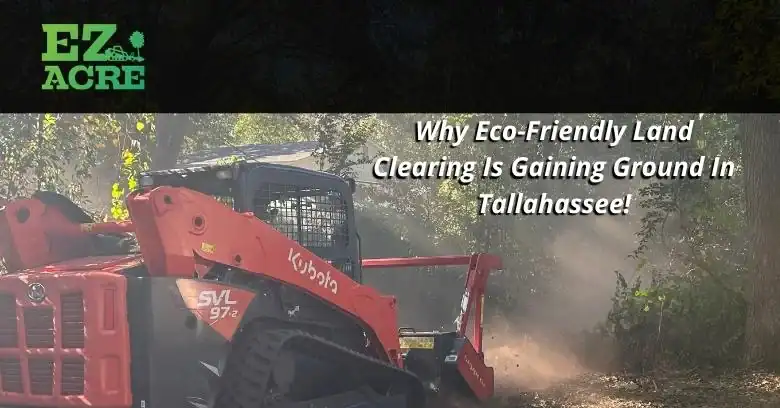
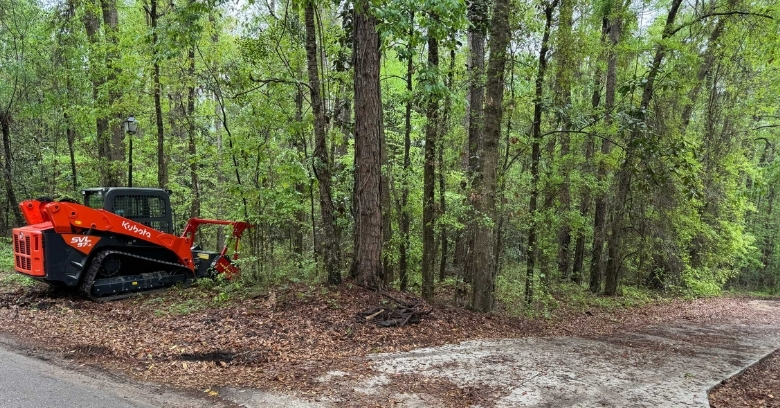
Forestry mulching uses a machine with a rotating drum of teeth that grinds trees and brush into chips, and there are no burn piles to tend and no debris to haul. The machine rolls over the ground rather than scraping it, and stumps are cut low, and the remaining roots decay in time.
Larger mulching heads can take trees many inches across, and smaller ones are meant for brush, and the operator can leave chosen trees standing while clearing around them. Mulching leaves a layer of chips that can be several inches deep, and the layer slows weeds and holds moisture.
Spraying Mulch and Seed on Bare Ground
The hydraulic method mixes water with mulch and a binder in a tank and sprays it across the soil, and it is used on slopes, new lawns, roadsides, and freshly graded sites. A slope stripped of vegetation can lose soil quickly in a heavy rain, and rules for construction sites frequently require erosion control.
The slurry needs a dry day or two to set before heavy rain, and the right blend depends on the soil and the slope. Grass types vary in how well they handle sun, shade, and sandy ground, and watering during the first weeks speeds up growth.
Leaving the Land in Better Shape
Mulching keeps organic matter on the property instead of sending it away, and fewer trucks and less hauling mean less fuel burned and less traffic. On environmentally sensitive ground, mulching with less soil disturbance is usually preferred, and buffers of untouched vegetation may be required near the water.
Wood-based mulch is both attractive and useful around plants, and it needs to be refreshed as it breaks down. Mulch made on site is a natural byproduct of the work, though it may need to age, and extra chips can be stacked for later use.
Mulching Equipment and Methods
The carrier machine does the driving and the head does the grinding, and the choice depends on the site and the size of the job. The machine blends water, mulch, and seed and sprays the mix through a hose or a boom, and steep slopes can be sprayed from the bottom with a long hose.
A mulching head can throw chips, rocks, and debris a long way, and the crew checks the ground for hidden objects before the cut. A walk-through before the work reveals many of the surprises, and nothing replaces a slow look at the ground first.
Local Conditions That Shape Mulching
Soils around Quincy Florida are often sandy, and sandy soil drains quickly and dries out fast, and a layer of mulch can make a real difference to new plantings. Rain and heat are the two main drivers of the schedule, and schedules should always include some room for weather.
After a hurricane, mulching is one way to deal with a large volume of vegetation on site, and clearing weak trees and brush ahead of the season reduces what a storm can do. Thick underbrush is fuel, and dry spells make fires more likely, and local fire agencies publish guidance for owners.
Roots, Chips, and Bare Soil
After the trunk is ground, the stump and roots stay in the soil to decay, and pastures and wild land can usually live with low stumps. A slope held by living and dead roots keeps its shape much better than bare soil, and bare patches can be covered by hydraulic mulch if needed.
Freshly ground chips are uneven and can contain splinters and long strands, and aging in place lets the layer settle and mellow. Mulch depth matters, and too much can be as much of a problem as too little, and a light pass with a rake or box blade levels the surface.
When Mulching Works Best
Timing a forestry job for dry weather protects both the land and the schedule, and planting too late can leave bare ground exposed to the storms. Within a season, a mulched lot may show new shoots from stumps and vines, and regular mowing or a light second mulching keeps the land clear.
Wood chips decay, and the layer thins a little each season, and raking and fluffing the surface helps it shed water. Homeowners in fire-prone areas are advised to use a noncombustible zone near the foundation, and it helps to ask local fire officials about the recommendations for the area.
Matching the Method to the Goal
When the goal is to clear and leave the chips behind, forestry mulching does both at once, and the two methods often follow each other on the same property. Using the two together turns wild growth into a stable, planted surface, and owners should ask how the pieces fit together.
Everyday mulching is about covering soil that already has a purpose, and the appearance is a bonus on top of the benefits to the plants. Telling the crew whether the aim is clearing, cover, or decoration points to the right service, and it helps to mention any slopes, wet spots, or neighbors close to the work.
Sharing the Land With Animals
Thick brush shelters animals that nest, burrow, and hide in the growth, and some species and their burrows are protected by law. Many property owners schedule mulching and clearing for the late fall and winter, and responsible work treats the land as more than a pile of material.
Planning Your Mulching Project
Walk the property and decide which areas will be mulched and which will stay untouched, and a site visit lets the crew see the land in person. The details of access, permits, and disposal should be settled before the job starts, and the owner and the crew start with the same expectations.
Everything above comes down to one decision, and Forestry Mulching in Quincy Florida is where you make it, and the details are quick to confirm.
Reach us at 850-787-9300 to get your lot ready for its next use.
Verified

Verified
Verified
Verified
Verified