Comparing Hydraulic Mulching in Quincy Florida?
EZ Acre helps property owners in Quincy Florida turn brush and small trees into mulch.
Ring 850-787-9300 to go over the size of the area and the kind of vegetation.
Mulch as a Way to Clear and Protect
Mulching is the practice of covering ground with a layer of organic material or of grinding vegetation into chips, and a short description of the property usually shows which type fits. Covered soil loses less water to the sun and the wind, and it helps new grass and new plants get established.
Anyone comparing options for Hydraulic Mulching is typically facing thick growth or exposed soil, and a short conversation can sort out what the job calls for.
Forestry Mulching
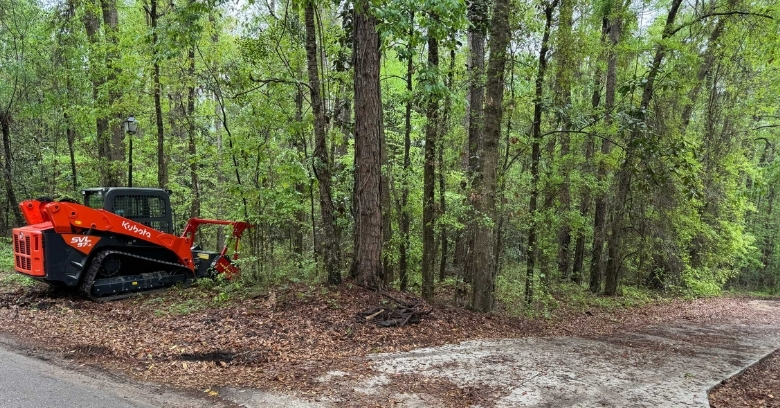
Forestry mulching uses a machine with a rotating drum of teeth that grinds trees and brush into chips, and the machine can reach places where a truck and chipper cannot. Forestry mulching disturbs the soil less than pushing and piling does, and sandy soil stays in place better with the roots left in the ground.
Machines vary in power, and the thickness of the growth determines which one is needed, and the cutting head can be steered close to trees without harming them. The depth of chips varies with the amount of growth that was cut, and it breaks down slowly and returns nutrients to the soil.
Spraying Mulch and Seed on Bare Ground
The hydraulic method mixes water with mulch and a binder in a tank and sprays it across the soil, and the method covers acres in a day where hand spreading would take weeks. Erosion control is one of the main jobs of hydraulic mulching, and slopes and drainage swales benefit the most.
A mix with seed needs enough moisture to sprout, so the season matters, and a good schedule fits the application between storms. The mulch only protects the soil until the grass takes over, and some sites need a second application.
Eco-Friendly Mulching Practices
Using the vegetation that was cut as mulch closes the loop on the clearing job, and fewer trucks and less hauling mean less fuel burned and less traffic. Land close to water calls for methods that keep soil in place, and a careful crew will mark the line it will not cross.
Natural mulch has a long track record as a way to protect soil, and it keeps roots cool, holds water, and slows weeds. Using fresh chips from a clearing job as landscape mulch saves effort, and aged chips are better for gardens than fresh ones.
Machines Behind the Work
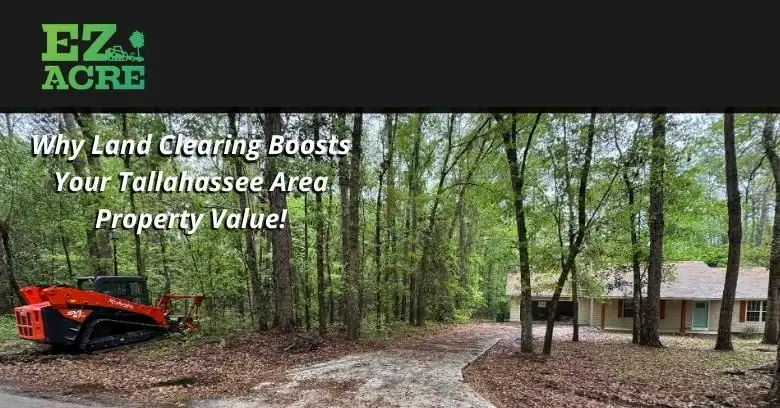
A tracked mulcher can work on soft ground that would stop a wheeled machine, and operators can work close to structures and fences with the right setup. A hydroseeder is a tank on wheels with an agitator and a pump, and the machine must be able to reach the area it will spray.
A mulching head can throw chips, rocks, and debris a long way, and a clear buffer around the machine is standard. A walk-through before the work reveals many of the surprises, and fixed objects like wells and posts need flags.
What the Climate Means for Mulching Work
Sandy ground benefits more than most from a protective cover, and a covered surface stays cooler in the summer sun. Rain and heat are the two main drivers of the schedule, and crews often start early to get ahead of the afternoon storms.
Storm damage often leaves fallen trees and tangled brush that need to be cleared, and crews are in high demand after a storm, and waiting times grow. Mulching reduces the thick tangle of dead and living growth that burns, and the mulch layer left behind is less flammable than standing brush.
Holding the Ground in Place
The machine can grind a stump to a few inches above the surface or below it with extra effort, and pastures and wild land can usually live with low stumps. The root mass under a cleared slope binds the soil together while new growth starts, and mulching is often chosen for slopes, ditch banks, and pond edges.
Mulch from a field machine is rougher than the bagged mulch sold for flower beds, and the rough texture makes the layer stay in place. A layer a few inches thick works well on most ground, but a thick pile smothers new growth, and owners can ask for the layer to be spread evenly.
When Mulching Works Best
Dry weather lets the operator work safely and cleanly on most ground, and new seed needs rain after the application, but not a flood. Within a season, a mulched lot may show new shoots from stumps and vines, and a follow-up pass is part of the plan for many properties.
Wood chips decay, and the layer thins a little each season, and thin patches show up first near edges and on slopes. A clear gap around a house is a common wildfire recommendation, and gravel or bare ground near the walls is a safe choice.
A Simple Way to Decide
When the goal is to clear and leave the chips behind, forestry mulching does both at once, and exposed ground that must be seeded and held in place is the target of the hydraulic type. Forestry work opens the ground, and the hydraulic spray then protects it, and timing the second step soon after the first is wise.
Spreading wood chips or bark around trees and shrubs is the simplest and most familiar form of mulching, and the appearance is a bonus on top of the benefits to the plants. A clear description of the goal makes it easy to pick the right type, and the conversation goes fastest when the goal is clear.
Sharing the Land With Animals
Wooded and overgrown land is home to birds, reptiles, and small mammals, and local wildlife agencies publish guidance for property owners. Many property owners schedule mulching and clearing for the late fall and winter, and it helps to ask about local rules on nesting season and protected species.
Planning Your Mulching Project
Start by marking the area to be mulched and describing the growth, and it helps to discuss trees to keep, trees to remove, and any areas to avoid. Locating buried utilities before any machine goes on the ground is a standard step, and the work goes smoothly.
Everything above comes down to one decision, and Hydraulic Mulching in Quincy Florida is where you make it, and it is easy to take it from there.
Reach us at 850-787-9300 when you are ready to plan a mulching project.
Verified

Verified
Verified
Verified
Verified