Comparing Mulching Company in Quincy Florida?
EZ Acre is a land services business that does mulching work in Quincy Florida.
Ring 850-787-9300 to go over the size of the area and the kind of vegetation.
One Word, Several Kinds of Work
The word mulching covers several kinds of work, from grinding brush on site to spreading a protective layer over bare soil, and each has its own equipment, its own purpose, and its own best season. Mulch works by covering the ground so that water stays in and weeds stay out, and mulching is a common step after clearing and planting.
That is the need behind many searches for Mulching Company, and knowing the options makes it easier to ask good questions.
Grinding Brush and Trees in Place
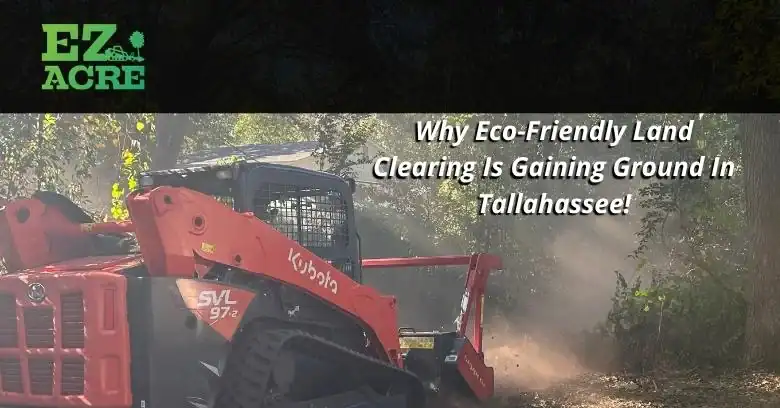
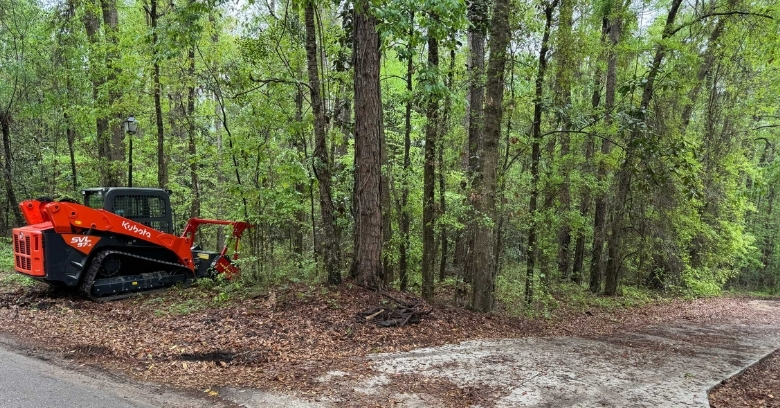
The mulching head spins at high speed and reduces brush, saplings, and even sizable trees to chips, and the chips stay on the ground and form a protective layer. Because the roots stay in the ground, the soil holds together better than after a bulldozer clearing, and fewer ruts and less bare soil mean less cleanup afterward.
Larger mulching heads can take trees many inches across, and smaller ones are meant for brush, and the result is a clean, open, park-like look. The depth of chips varies with the amount of growth that was cut, and the layer slows weeds and holds moisture.
Hydromulch for Slopes and New Lawns
The hydraulic method mixes water with mulch and a binder in a tank and sprays it across the soil, and the method covers acres in a day where hand spreading would take weeks. A slope stripped of vegetation can lose soil quickly in a heavy rain, and rules for construction sites frequently require erosion control.
Applying hydromulch just before a long dry spell wastes seed, and the right blend depends on the soil and the slope. Grass types vary in how well they handle sun, shade, and sandy ground, and watering during the first weeks speeds up growth.
Mulching With the Soil in Mind
Grinding growth into chips returns plant material to the soil as it decays, and fewer trucks and less hauling mean less fuel burned and less traffic. Care near water is a legal requirement in many cases, not only a preference, and clearing around water often needs special permission.
Organic mulch such as wood chips, pine straw, and bark is common in gardens and landscapes, and a depth of a few inches is enough for most beds. Fresh chips are best left to age a while before they are placed near delicate plants, and a thick layer on paths keeps mud down.
Mulching Equipment and Methods
Different machines suit different terrain and different density of growth, and the choice depends on the site and the size of the job. Hydroseeding equipment ranges from small trailers to large trucks, and steep slopes can be sprayed from the bottom with a long hose.
The area around a working mulcher is no place for spectators, and the crew checks the ground for hidden objects before the cut. Rocks, old fence wire, buried metal, and stumps are risks for any mulching head, and owners should point out anything they know is buried.
Working the Land in Quincy Florida
Much of the ground in this region is light, sandy, and low in organic matter, and returning chips to the ground builds organic matter slowly. Hot, wet weather makes vegetation grow fast and bare soil wash easily, and bare soil exposed in the wet season needs cover quickly.
Tropical systems topple trees and scatter limbs across properties, and grinding the material in place can be faster than hauling it away. Thick underbrush is fuel, and dry spells make fires more likely, and a clear zone around buildings is a common recommendation.
Stumps, Slopes, and Erosion
The machine can grind a stump to a few inches above the surface or below it with extra effort, and stumps left in place rot slowly over several seasons. The root mass under a cleared slope binds the soil together while new growth starts, and the chip layer adds another layer of protection.
Freshly ground chips are uneven and can contain splinters and long strands, and the rough texture makes the layer stay in place. A layer a few inches thick works well on most ground, but a thick pile smothers new growth, and it helps to let the crew know where a thick layer is welcome.
Keeping a Mulched Property in Shape
Wet-season rain and soft soil slow tracked machines and cause ruts, and hydraulic mulching and seeding follow a different rhythm. Regrowth is normal and does not mean the first pass was wasted, and a follow-up pass is part of the plan for many properties.
Mulch breaks down over time and needs topping up where a thick layer is wanted, and weeds that sprout through a thin layer are pulled early. Local fire rules sometimes limit the amount of mulch near buildings, and a little planning gives the benefit of mulch with lower risk.
Which Type of Mulching Fits Your Land
Dense vegetation that blocks access and sight lines is the job forestry mulching is built for, and hydraulic mulching is the choice when the problem is bare soil that needs cover. Many projects use both methods in sequence, and owners should ask how the pieces fit together.
Ordinary landscape mulching is the choice when the goal is to protect plants and beds, and the material can be delivered in bulk or made from cleared growth. Owners who describe the problem rather than the method get better advice, and it helps to think about how the land will be used over the next year.
Protecting Habitat During the Work
Before a mulcher goes in, the land may hold nests, dens, and burrows, and local wildlife agencies publish guidance for property owners. Timing the work outside the peak nesting period reduces harm to wildlife, and the mulcher should be stopped if a nest is found.
Questions to Settle Before Work Begins
The first step in any mulching job is knowing exactly where it starts and stops, and a plan on paper keeps the crew and the owner on the same page. Ask who handles permits, utility locates, and any debris that will not be mulched, and the schedule can be planned around approvals.
Once you know what you want covered or cleared, Mulching Company in Quincy Florida is a short list, and it is easy to take it from there.
Call 850-787-9300 to start planning the work.
Verified

Verified
Verified
Verified
Verified