Researching Forestry Mulching Contractor in Tallahassee Florida?
EZ Acre handles mulching jobs on lots and acreage around Tallahassee Florida.
Call 850-787-9300 to talk through what you want mulched.
The Basics of the Practice
Mulching can mean cutting standing growth into chips or laying a cover of material over exposed ground, and the three most common kinds are forestry mulching, hydraulic mulching, and ordinary bed mulching. Mulch works by covering the ground so that water stays in and weeds stay out, and owners use it to protect land that has just been disturbed.
Most people who search for Forestry Mulching Contractor have brush or bare ground that needs attention, and the rest of this page explains the main types and the details that matter.
Forestry Mulching
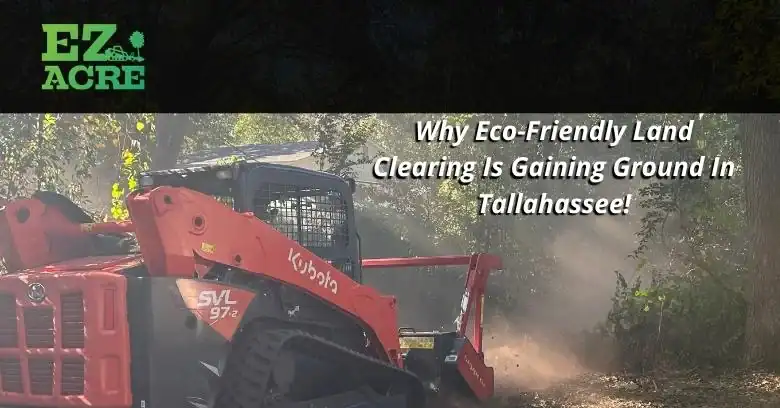
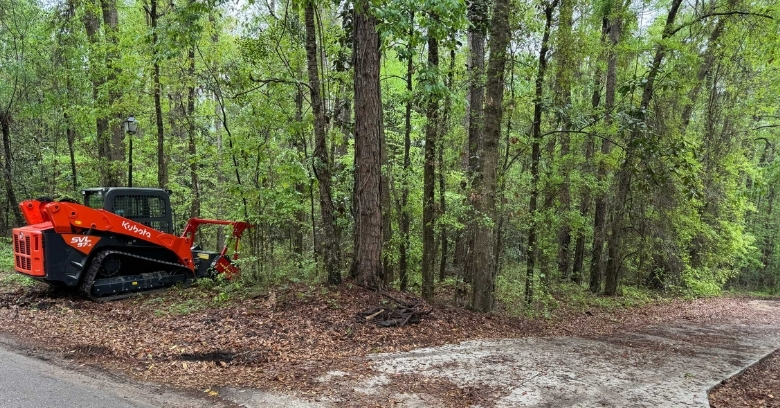
Forestry mulching uses a machine with a rotating drum of teeth that grinds trees and brush into chips, and there are no burn piles to tend and no debris to haul. Forestry mulching disturbs the soil less than pushing and piling does, and the mulch layer protects the surface from the next rain.
Larger mulching heads can take trees many inches across, and smaller ones are meant for brush, and selective mulching clears the understory and keeps the shade trees. The depth of chips varies with the amount of growth that was cut, and the layer slows weeds and holds moisture.
Hydromulch for Slopes and New Lawns
The hydraulic method mixes water with mulch and a binder in a tank and sprays it across the soil, and the binder helps the mulch stay put through rain and wind. Erosion control is one of the main jobs of hydraulic mulching, and a quick covering reduces the sediment that reaches ditches and ponds.
The slurry needs a dry day or two to set before heavy rain, and slopes may need an extra layer or a stronger binder. Grass types vary in how well they handle sun, shade, and sandy ground, and new grass needs time before it can take foot traffic.
Eco-Friendly Mulching Practices
Mulching keeps organic matter on the property instead of sending it away, and fewer trucks and less hauling mean less fuel burned and less traffic. Gentler methods suit land near wetlands, ponds, and wildlife habitat, and the plan should explain how the soil will be protected.
Wood-based mulch is both attractive and useful around plants, and it keeps roots cool, holds water, and slows weeds. Wood chips from clearing are a practical covering for trails, bare ground, and steep banks, and owners often ask the crew to leave the chips where they are useful.
What Shows Up on a Mulching Job
The carrier machine does the driving and the head does the grinding, and smaller units handle brush and vines in tight spaces. Hydraulic mulching uses a trailer or truck with a mixing tank and a spray gun, and the size of the tank decides how many acres a load covers.
Safety is a big part of mulching work because the cutting head is powerful, and the crew checks the ground for hidden objects before the cut. Hidden objects in the ground can damage the machine and create hazards, and fixed objects like wells and posts need flags.
Local Conditions That Shape Mulching
Soils around Tallahassee Florida are often sandy, and sandy soil drains quickly and dries out fast, and returning chips to the ground builds organic matter slowly. Hot, wet weather makes vegetation grow fast and bare soil wash easily, and hydraulic mulching must be timed between rains.
Tropical systems topple trees and scatter limbs across properties, and a mulched lot is easier to inspect for damage. Thinning understory growth reduces the fuel available to a fire, and the mulch layer left behind is less flammable than standing brush.
What Is Left Behind and How It Behaves
After the trunk is ground, the stump and roots stay in the soil to decay, and building areas generally need stumps and large roots removed. Leaving roots intact means rainfall has less power to carry soil away, and bare patches can be covered by hydraulic mulch if needed.
Mulch from a field machine is rougher than the bagged mulch sold for flower beds, and the appearance changes over time from fresh wood color to soft brown. Excess mulch on a cleared lot can be raked or spread thin, and chips piled in one spot can be moved for use elsewhere.
Keeping a Mulched Property in Shape
The dry months are the most dependable time for heavy mulching equipment, and planting too late can leave bare ground exposed to the storms. Within a season, a mulched lot may show new shoots from stumps and vines, and a follow-up pass is part of the plan for many properties.
A mulched bed or path should be topped up every year or two, and fresh chips can be spread over the old layer. A clear gap around a house is a common wildfire recommendation, and chips are better used farther out on the property.
Which Type of Mulching Fits Your Land
If the land is covered in brush, vines, and small trees, a mulching head is the natural fit, and erosion control on bare ground is the main reason for spray application. Clearing first and covering second is a common order on land that will become lawn or pasture, and owners should ask how the pieces fit together.
Spreading wood chips or bark around trees and shrubs is the simplest and most familiar form of mulching, and it keeps roots cool, holds water, and slows weeds. Asking the right question at the start saves time, and it helps to think about how the land will be used over the next year.
Sharing the Land With Animals
Before a mulcher goes in, the land may hold nests, dens, and burrows, and some species and their burrows are protected by law. Timing the work outside the peak nesting period reduces harm to wildlife, and a short survey of the land by a person who knows the area is useful.
Preparing for a Mulching Job
Flagging tape or stakes help define the limits of the work, and a plan on paper keeps the crew and the owner on the same page. Ask who handles permits, utility locates, and any debris that will not be mulched, and the schedule can be planned around approvals.
That is how most property owners approach Forestry Mulching Contractor in Tallahassee Florida, and it is easy to take it from there.
Phone 850-787-9300 when you are ready to plan a mulching project.
Verified

Verified
Verified
Verified
Verified