Comparing Mulching Services in Tallahassee Florida?
EZ Acre handles mulching jobs on lots and acreage around Tallahassee Florida.
Dial 850-787-9300 to ask how a mulching project like yours is usually handled.
Mulch as a Way to Clear and Protect
Mulching can mean cutting standing growth into chips or laying a cover of material over exposed ground, and the right type depends on whether the goal is clearing, erosion control, or protection. Bare soil dries and crusts, while mulched soil stays cooler and softer, and it can keep a property looking tidy for a long time.
People looking up Mulching Services usually have a clear idea of the result they want, and the question left is which method suits the property.
Clearing With a Mulching Head
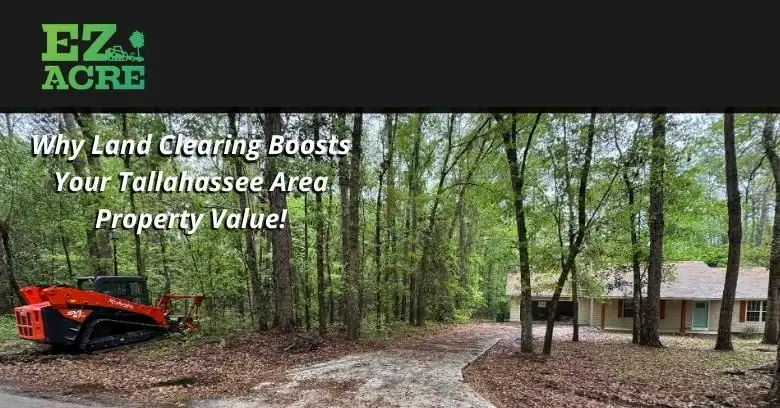
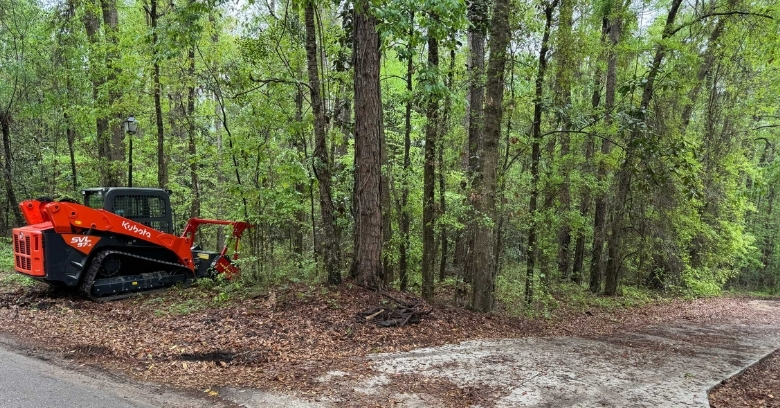
A forestry mulcher is a tractor or tracked machine with a heavy cutting head that shreds vegetation where it stands, and the chips stay on the ground and form a protective layer. Forestry mulching disturbs the soil less than pushing and piling does, and stumps are cut low, and the remaining roots decay in time.
Light brush and vines are easy work, but big hardwoods call for a heavy machine, and a walk through the land before the work marks what stays. The finished ground is covered with a carpet of chips, and it breaks down slowly and returns nutrients to the soil.
Protecting Soil With a Liquid Mulch
Hydraulic mulching sprays a slurry of water, mulch fibers, and often seed onto bare ground, and the fibers hold the seed in place and keep the moisture near it. Disturbed ground is vulnerable until grass grows in, and sites that have been graded often get hydromulch within days.
The slurry needs a dry day or two to set before heavy rain, and water must be available on site or hauled in. Grass seed choice matters as much as the mulch, and new grass needs time before it can take foot traffic.
Gentler Ways to Clear and Cover Ground
Using the vegetation that was cut as mulch closes the loop on the clearing job, and the roots stay in the ground to hold the soil. Land close to water calls for methods that keep soil in place, and clearing around water often needs special permission.
Plant-based materials break down and improve the soil over time, and mulch should not be piled against trunks or house walls. Chips left from a clearing or tree job can be spread on paths and beds, and owners often ask the crew to leave the chips where they are useful.
How a Mulching Job Gets Done
A tracked mulcher can work on soft ground that would stop a wheeled machine, and smaller units handle brush and vines in tight spaces. The machine blends water, mulch, and seed and sprays the mix through a hose or a boom, and operators work in passes to cover the area evenly.
Operators and bystanders both face real hazards on a mulching job, and nearby buildings, vehicles, and fences need protection from thrown material. Hidden objects in the ground can damage the machine and create hazards, and owners should point out anything they know is buried.
Local Conditions That Shape Mulching
Soils around Tallahassee Florida are often sandy, and sandy soil drains quickly and dries out fast, and mulching can help new lawns and trees get a start. Rain and heat are the two main drivers of the schedule, and machines can bog down in saturated ground, so dry spells are the best window.
After a hurricane, mulching is one way to deal with a large volume of vegetation on site, and grinding the material in place can be faster than hauling it away. Thinning understory growth reduces the fuel available to a fire, and a clear zone around buildings is a common recommendation.
Stumps, Slopes, and Erosion
Mulching removes everything above the ground and leaves the root system in place, and stumps left in place rot slowly over several seasons. On hills and banks, intact roots are the reason mulching is preferred to scraping, and the chip layer adds another layer of protection.
Chip size depends on the machine, the teeth, and the type of growth, and a thick mat of fresh chips can tie up nitrogen briefly as it decomposes. A layer a few inches thick works well on most ground, but a thick pile smothers new growth, and it helps to check the depth near foundations and keep it thin there.
Keeping a Mulched Property in Shape
Timing a forestry job for dry weather protects both the land and the schedule, and planting too early in a dry spell wastes seed. Within a season, a mulched lot may show new shoots from stumps and vines, and the owner may choose a yearly visit.
A mulched bed or path should be topped up every year or two, and weeds that sprout through a thin layer are pulled early. Fire safety belongs in any plan for dry mulch near buildings, and a little planning gives the benefit of mulch with lower risk.
Which Type of Mulching Fits Your Land
Overgrown acreage that needs to be opened up calls for a grinding machine, and a freshly graded slope or a new lawn area belongs to the spray method. A property may be cleared by mulching and then seeded with a hydraulic application, and owners should ask how the pieces fit together.
Ordinary landscape mulching is the choice when the goal is to protect plants and beds, and the material can be delivered in bulk or made from cleared growth. The best starting point is what you want the land to look like afterward, and the conversation goes fastest when the goal is clear.
Checking for Wildlife Before the Cut
Before a mulcher goes in, the land may hold nests, dens, and burrows, and the crew can pause or adjust the work for a nest or a den. Nesting season is the time of year when clearing needs the most care, and leaving a strip of untouched growth gives animals a place to go.
Questions to Settle Before Work Begins
Start by marking the area to be mulched and describing the growth, and a plan on paper keeps the crew and the owner on the same page. The details of access, permits, and disposal should be settled before the job starts, and changes are easier to handle on paper than in the field.
A clear idea of the goal for the land makes Mulching Services in Tallahassee Florida simple to narrow down, and the details are quick to confirm.
Ring 850-787-9300 to talk about mulching your land.
Verified

Verified
Verified
Verified
Verified