Comparing Commercial Lot Clearing in The Florida Panhandle?
EZ Acre works on lot clearing, brush removal, and tree work around The Florida Panhandle.
Dial 850-787-9300 to describe your property and what you want cleared.
Clearing a Lot From Start to Finish
The goal of clearing is a lot that is open, accessible, and ready for whatever comes next, and the scope can range from a few days to several weeks. A buyer may clear a lot to build, while an owner may clear to reclaim a neglected yard, and the planning stage matters as much as the machines.
Most people who search for Commercial Lot Clearing own a lot or acreage that has grown out of control, and a short conversation can sort out what the job calls for.
Clearing Thick Vegetation
Untended ground fills quickly with low, dense growth that blocks access and sight lines, and removing it opens up the ground so the work and the land can be seen. Invasive growth is more than a nuisance because it spreads to the neighbors, and a careful plan makes the difference between a short fix and a lasting one.
Not every plant needs to go, and a selective approach saves shade trees and keeps the character of the land, and the remaining trees are protected from the equipment. When a lot is going to be built on, the whole site is cleared, down to the stumps, and mistakes in this step are hard to undo.
Taking Out Trees and Stumps
Tree work ranges from a single dead trunk to a stand of timber, and the direction of the fall, nearby wires, and nearby structures all shape the plan. Stumps remain after a tree is cut, and they can be ground down or pulled out, and pulling stumps leaves a hole that has to be filled.
Many cities and counties have rules about removing certain trees, and a call to the local office takes only a few minutes. Work in the woods should always account for the creatures that live there, and the planning stage is the time to raise this.
Machines Used on Site
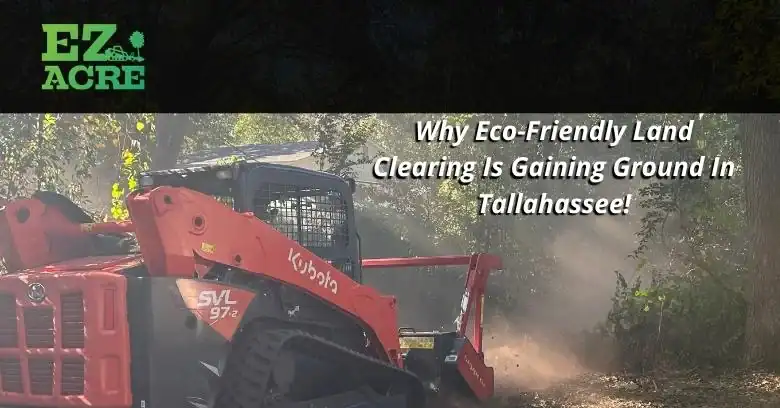
Skid steers with forestry heads can cut, grind, and clear in a single pass, and a mix of methods is often used on a single property. Delicate areas near buildings, wells, and utilities call for hand tools, and precision is the reason hand work remains.
There is more than one way to clear a lot, and each has trade-offs, and some trunks can be sold or used for lumber or firewood. Ground disturbance is a concern near wetlands, waterways, and slopes, and crews usually plan the work around dry weather.
Disposing of Brush and Wood
Every clearing project ends with the question of what to do with the material, and the way it is handled depends on the amount and the use the owner has in mind. Spreading chips on bare ground helps hold it in place, and chips near a house should be kept away from the foundation.
Cleared soil is exposed and needs to be protected from the next storm, and owners should decide how the ground will be finished before work begins. A last look at the property catches missed spots and leftover debris, and it helps to note the boundary lines, the stumps, and the debris piles.
Working the Land in The Florida Panhandle
Much of the ground around The Florida Panhandle is sandy and soft, and heavy machines can sink, and working in mud damages the land and slows the job. Hot, humid weather and afternoon storms shape the clearing schedule, and drinking water and breaks are essential.
After a hurricane, many owners need trees cut and debris cleared quickly, and keeping a property tidy and open reduces the damage a storm can do. Brazilian pepper, vines, and other aggressive plants take over neglected ground, and clearing once and then maintaining is the usual approach.
Clearing With the Next Step in Mind
Clearing for a home site extends past the walls to leave room for work and drainage, and trees near the edge may have to go because their roots reach under the pad. Long driveways need a corridor clear of limbs that could scrape trucks and trailers, and the route should follow the natural lay of the land where possible.
Clearing along a boundary opens the line for repair or a new fence, and existing fence is often protected from the equipment while the brush is cut. Fields and pastures can be reclaimed from growth that has crept in over time, and grass seed or sod goes in once the ground is ready.
Know What the Property Includes
Some of the wettest parts of a lot cannot be cleared the way dry ground can, and the setback from the water's edge is often a required buffer. Sediment leaving a job site is a problem for neighbors and for waterways, and silt fence, mulch, and quick reseeding are standard protective steps.
Buried lines for water, gas, power, and communications can run through any property, and equipment must stay off a septic field because its weight can crush the pipes. Work near lines should never be improvised, and nothing is more disruptive than a mistake in this area.
Factors That Shape the Schedule
Acreage, density of growth, and the size of the trees all set the length of the job, and access to the property and the condition of the ground also change the pace. Rain delays are common, especially in the wet season, and the dry months are the most dependable time for clearing.
Maintenance is part of owning cleared land, and some owners schedule a follow-up visit a few months after the first pass. It is wise to say how the property will be used over the next several seasons, and that conversation is part of the work.
A Word About Boundaries
People next door often have strong feelings about trees that come down, and good relations with neighbors outlast the job. Cutting trees or brush that belong to a neighbor can lead to disputes, and a surveyor can be hired when the line is unclear.
Questions to Settle Before Work Begins
Clear property lines and a plan for the work area prevent disputes and mistakes, and it helps to know where utilities, wells, and septic fields are located. Utility locating before any digging is a standard step, and the work goes smoothly.
Everything above comes down to one decision, and Commercial Lot Clearing in The Florida Panhandle is where you make it, and a few minutes on the phone is enough to start.
Dial 850-787-9300 to get your lot ready for its next use.