Getting ready for Residential Lot Clearing Contractor in The Florida Panhandle?
EZ Acre helps property owners in The Florida Panhandle turn overgrown ground into usable land.
Ring 850-787-9300 to go over the size of the lot and the growth on it.
What the Work Really Covers
Land clearing covers trees, underbrush, vines, and the debris left behind, and the amount of work depends on how thick the growth is and what the owner plans to do. A buyer may clear a lot to build, while an owner may clear to reclaim a neglected yard, and that is why the first step is a conversation about the plan.
People looking up Residential Lot Clearing Contractor usually have a clear picture of the result they want, and the question left is which method suits the land.
Brush Removal Explained
Untended ground fills quickly with low, dense growth that blocks access and sight lines, and the work can be done with machines or by hand around delicate areas. Some plants take over a property so thoroughly that they have to be removed on purpose, and a careful plan makes the difference between a short fix and a lasting one.
Selective clearing removes only the growth that is in the way, and the result is a park-like property instead of bare ground. Total clearing is the usual approach for a building pad or a new road, and the boundary of the work is as important as the work itself.
When the Trees Have to Come Down
Felling, limbing, and cutting up trees takes planning and the right equipment, and crews look at lean, rot, and dead limbs before starting a cut. Stumps remain after a tree is cut, and they can be ground down or pulled out, and the owner should decide what to do with stumps before the job begins.
Local governments often regulate the removal of large or protected trees, and the city or county office can say what applies to a given lot. Some species and their burrows are protected, and land with them needs extra care, and a pause for a nest or a burrow is part of responsible work.
Equipment and Methods
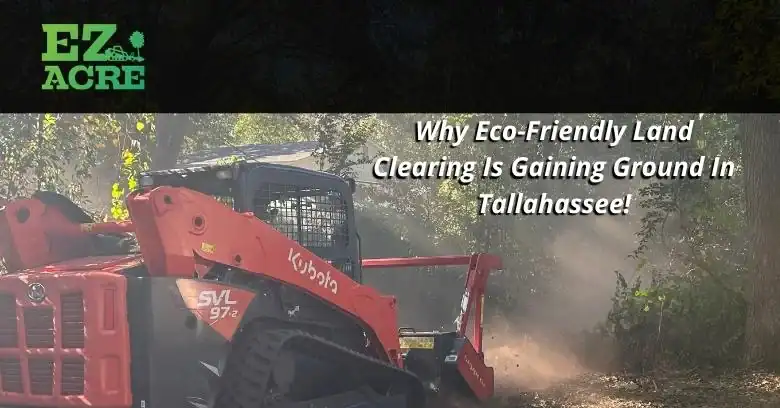
Excavators with grapples pick up trunks and root balls and stack them, and a mix of methods is often used on a single property. Some spots on a property are simply too tight or too sensitive for heavy equipment, and precision is the reason hand work remains.
Cutting and hauling away the debris is one approach, and grinding it in place is another, and hauling away leaves bare ground that can be graded. Ground disturbance is a concern near wetlands, waterways, and slopes, and the plan should account for rain and runoff.
What Happens to the Material
A cleared acre leaves behind a lot of brush, logs, and stumps, and hauling, chipping, and leaving it in place each take a different amount of effort. Chipped material can be spread on paths, beds, and slopes, and chips near a house should be kept away from the foundation.
Leaving raw soil without cover invites erosion and a new flush of weeds, and grading away from buildings helps the water drain. The end of the job is the time to point out anything that needs another pass, and the result should look like what was discussed.
Local Ground and Weather Around The Florida Panhandle
Low, flat ground holds water after rain, and that affects how and when machines can work, and working in mud damages the land and slows the job. Summer here brings heat, humidity, and daily thunderstorms, and drinking water and breaks are essential.
A major storm can turn a tidy lot into a field of fallen timber, and crews can be very busy, and waiting times grow. In this climate, growth never fully stops, and regular maintenance keeps the work manageable.
Building Pads, Driveways, and Fence Lines
Builders ask for extra room around the pad for equipment, materials, and grading, and buried roots can rot and leave voids that settle later. Long driveways need a corridor clear of limbs that could scrape trucks and trailers, and drainage along the edge keeps the surface from washing out.
Overgrown fence lines are a common reason people call for clearing, and fence rows are cleared with mowers, mulchers, or hand tools depending on the growth. Pasture restoration begins with clearing, and the grass follows, and the timing of each step depends on the season and the weather.
Working Near Water and Sensitive Ground
Parts of many properties are wetlands, and wetlands are protected by law, and owners should ask before the equipment arrives, not after. Water, silt, and runoff need attention on any cleared lot, and crews often keep a buffer of trees and brush between the work and the water.
Buried lines for water, gas, power, and communications can run through any property, and the owner should know where the well and septic field sit. Cutting trees near overhead power lines needs special training and sometimes help from the utility, and owners should keep records of where lines were found.
Factors That Shape the Schedule
Thin growth goes quickly, and thick forest takes much longer, and wet ground can stop work for days at a time. Schedules must allow for the weather and for the ground to dry, and owners should be flexible about start dates.
Growth returns, and a cleared lot will need attention again, and some owners schedule a follow-up visit a few months after the first pass. The goal for the land shapes the clearing and the follow-up, and that conversation is part of the work.
Working Alongside the Neighbors
People next door often have strong feelings about trees that come down, and the schedule and the expected noise are worth sharing. Knowing where the boundary lies protects both owners, and disputes are far easier to prevent than to settle.
Preparing for a Clearing Job
Survey stakes or flagging tape help define the boundary of the work, and a plan on paper keeps the crew and the owner on the same page. Ask who handles permits, utility locates, and haul-away of the debris, and the work goes smoothly.
Once you know what you want cleared, Residential Lot Clearing Contractor in The Florida Panhandle is a short list, and a few minutes on the phone is enough to start.
Ring 850-787-9300 to ask about brush, trees, and stumps on your property.