Exploring Eco-Friendly Mulching in The Florida Panhandle?
EZ Acre helps property owners in The Florida Panhandle turn brush and small trees into mulch.
Dial 850-787-9300 to talk through what you want mulched.
Turning Growth Into Mulch
The word mulching covers several kinds of work, from grinding brush on site to spreading a protective layer over bare soil, and the right type depends on whether the goal is clearing, erosion control, or protection. Mulch holds moisture, shades the soil, and slows weeds, and it can keep a property looking tidy for a long time.
That is the need behind many searches for Eco-Friendly Mulching, and knowing the options makes it easier to ask good questions.
Clearing With a Mulching Head
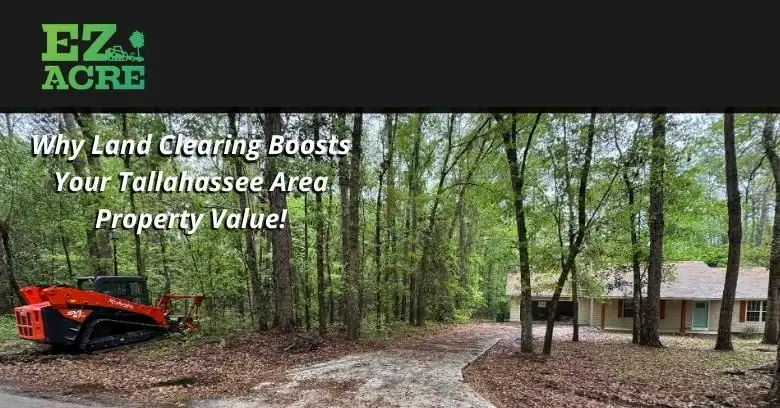
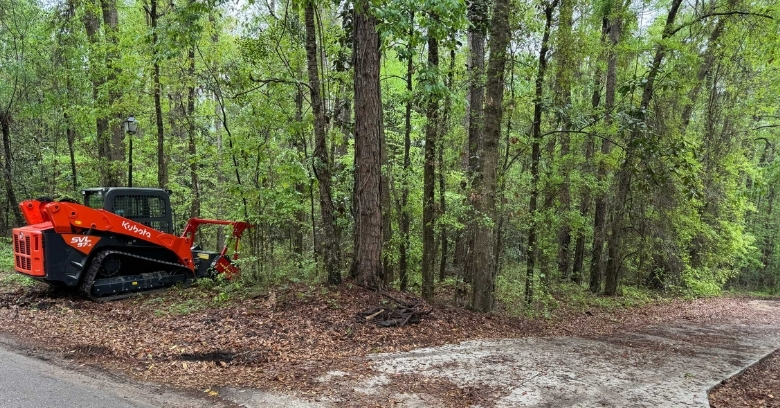
Forestry mulching uses a machine with a rotating drum of teeth that grinds trees and brush into chips, and it works on thick brush, vines, palmetto, and small to medium trees. The machine rolls over the ground rather than scraping it, and fewer ruts and less bare soil mean less cleanup afterward.
The size of material a mulcher can handle depends on the machine, and the result is a clean, open, park-like look. The mulch left behind is a thick blanket that suppresses new growth for a time, and the chips can be left as they are on wild land.
Hydraulic Mulching
In hydraulic mulching, a machine pumps a wet blend of fiber and seed onto the surface, and a green dye often shows where the spray has been applied. Erosion control is one of the main jobs of hydraulic mulching, and good timing matters, since a storm can arrive before the cover does.
Applying hydromulch just before a long dry spell wastes seed, and water must be available on site or hauled in. A mix chosen for local conditions establishes faster, and new grass needs time before it can take foot traffic.
Eco-Friendly Mulching Practices
Mulching keeps organic matter on the property instead of sending it away, and the roots stay in the ground to hold the soil. Gentler methods suit land near wetlands, ponds, and wildlife habitat, and a careful crew will mark the line it will not cross.
Landscape mulch is the familiar layer spread around trees, shrubs, and flower beds, and colors and textures vary with the source of the wood. Wood chips from clearing are a practical covering for trails, bare ground, and steep banks, and extra chips can be stacked for later use.
Mulching Equipment and Methods
Different machines suit different terrain and different density of growth, and rubber tracks spread the weight over wet or sandy ground. Hydraulic mulching uses a trailer or truck with a mixing tank and a spray gun, and operators work in passes to cover the area evenly.
A mulching head can throw chips, rocks, and debris a long way, and a clear buffer around the machine is standard. A walk-through before the work reveals many of the surprises, and fixed objects like wells and posts need flags.
Ground and Weather Around The Florida Panhandle
The soil in many parts of this region is thin and sandy and suffers in dry spells, and a covered surface stays cooler in the summer sun. Rain and heat are the two main drivers of the schedule, and crews often start early to get ahead of the afternoon storms.
Wind and flooding from a major storm can turn a tidy lot into a mess of debris, and clearing storm debris promptly keeps the yard safe and usable. Mulching reduces the thick tangle of dead and living growth that burns, and local fire agencies publish guidance for owners.
What Is Left Behind and How It Behaves
The machine can grind a stump to a few inches above the surface or below it with extra effort, and stumps to be removed completely are handled with a dedicated stump grinder. Leaving roots intact means rainfall has less power to carry soil away, and bare patches can be covered by hydraulic mulch if needed.
Mulch from a field machine is rougher than the bagged mulch sold for flower beds, and aging in place lets the layer settle and mellow. The right depth depends on whether the owner wants to suppress growth or let seed sprout, and it helps to let the crew know where a thick layer is welcome.
Timing, Seasons, and Upkeep
Wet-season rain and soft soil slow tracked machines and cause ruts, and new seed needs rain after the application, but not a flood. Regrowth is normal and does not mean the first pass was wasted, and a managed property stays open with little effort.
Mulch is not permanent, and part of its value is that it decays into the soil, and thin patches show up first near edges and on slopes. Local fire rules sometimes limit the amount of mulch near buildings, and chips are better used farther out on the property.
Matching the Method to the Goal
Forestry mulching is the choice when the problem is thick growth that has to come out, and the two methods often follow each other on the same property. Clearing first and covering second is a common order on land that will become lawn or pasture, and timing the second step soon after the first is wise.
Bed mulching suits yards, gardens, and the areas around new plantings, and it keeps roots cool, holds water, and slows weeds. Telling the crew whether the aim is clearing, cover, or decoration points to the right service, and it helps to have a picture in mind of the finished property.
Protecting Habitat During the Work
Wooded and overgrown land is home to birds, reptiles, and small mammals, and a walk through the area before the cut shows many of the signs. Many property owners schedule mulching and clearing for the late fall and winter, and a short survey of the land by a person who knows the area is useful.
Preparing for a Mulching Job
Start by marking the area to be mulched and describing the growth, and a plan on paper keeps the crew and the owner on the same page. Locating buried utilities before any machine goes on the ground is a standard step, and the work goes smoothly.
A clear idea of the goal for the land makes Eco-Friendly Mulching in The Florida Panhandle simple to narrow down, and a few minutes on the phone is enough to start.
Ring 850-787-9300 when you are ready to plan a mulching project.