Getting ready for Hydraulic Mulching in The Florida Panhandle?
EZ Acre helps property owners in The Florida Panhandle turn brush and small trees into mulch.
Ring 850-787-9300 to ask how a mulching project like yours is usually handled.
Turning Growth Into Mulch
On a property, mulching usually means grinding or spreading plant material so it protects the soil, and each type solves a different problem on the land. Mulch holds moisture, shades the soil, and slows weeds, and it can keep a property looking tidy for a long time.
People looking up Hydraulic Mulching usually have a clear idea of the result they want, and a short conversation can sort out what the job calls for.
Grinding Brush and Trees in Place
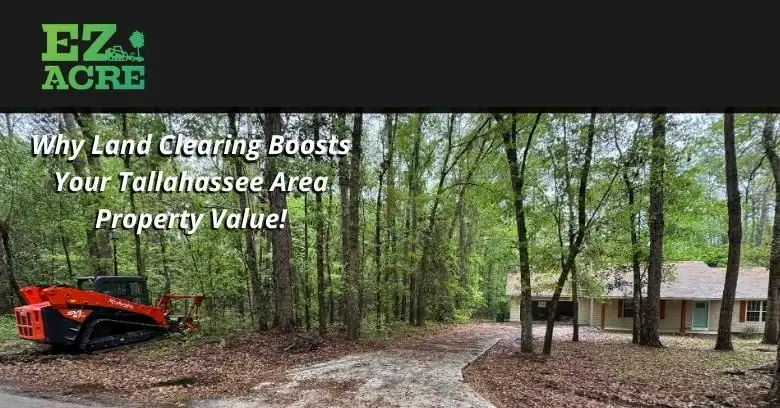
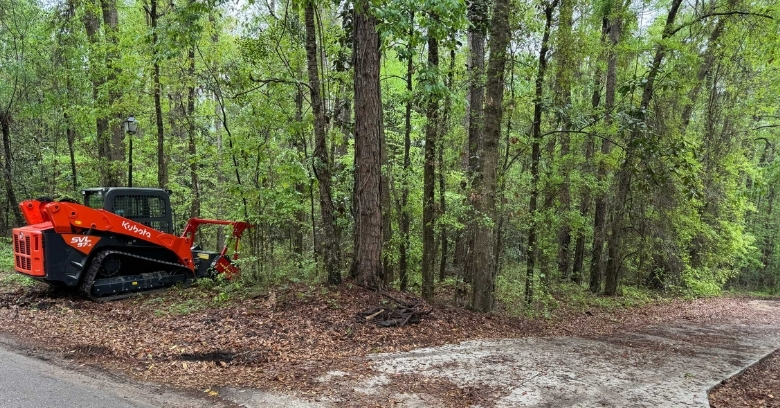
Forestry mulching uses a machine with a rotating drum of teeth that grinds trees and brush into chips, and there are no burn piles to tend and no debris to haul. The root systems of cut plants stay in place and keep the soil from washing away, and fewer ruts and less bare soil mean less cleanup afterward.
Machines vary in power, and the thickness of the growth determines which one is needed, and the cutting head can be steered close to trees without harming them. The finished ground is covered with a carpet of chips, and the layer slows weeds and holds moisture.
Spraying Mulch and Seed on Bare Ground
Hydromulch is a liquid mixture of paper or wood fiber, water, and tackifier that dries into a protective crust, and the binder helps the mulch stay put through rain and wind. Erosion control is one of the main jobs of hydraulic mulching, and slopes and drainage swales benefit the most.
Planting season and rainfall both shape the timing of a spray job, and some mixes include fertilizer to help the grass start. A mix chosen for local conditions establishes faster, and new grass needs time before it can take foot traffic.
Leaving the Land in Better Shape
Grinding growth into chips returns plant material to the soil as it decays, and the roots stay in the ground to hold the soil. Land close to water calls for methods that keep soil in place, and owners should ask about local rules before work begins.
Natural mulch has a long track record as a way to protect soil, and mulch should not be piled against trunks or house walls. Mulch made on site is a natural byproduct of the work, though it may need to age, and aged chips are better for gardens than fresh ones.
What Shows Up on a Mulching Job
The carrier machine does the driving and the head does the grinding, and the choice depends on the site and the size of the job. Hydroseeding equipment ranges from small trailers to large trucks, and access to the site and a supply of water are part of the planning.
The area around a working mulcher is no place for spectators, and nearby buildings, vehicles, and fences need protection from thrown material. Rocks, old fence wire, buried metal, and stumps are risks for any mulching head, and nothing replaces a slow look at the ground first.
Working the Land in The Florida Panhandle
Sandy ground benefits more than most from a protective cover, and a layer of mulch can make a real difference to new plantings. Daily thunderstorms can interrupt outdoor work and soften the ground, and hydraulic mulching must be timed between rains.
After a hurricane, mulching is one way to deal with a large volume of vegetation on site, and clearing storm debris promptly keeps the yard safe and usable. Dense brush can also feed wildfires in dry seasons, and a clear zone around buildings is a common recommendation.
Roots, Chips, and Bare Soil
The machine can grind a stump to a few inches above the surface or below it with extra effort, and building areas generally need stumps and large roots removed. The root mass under a cleared slope binds the soil together while new growth starts, and mulching is often chosen for slopes, ditch banks, and pond edges.
Chips from a mulching pass vary in size, from fine shreds to chunky pieces, and a thick mat of fresh chips can tie up nitrogen briefly as it decomposes. Piling chips deeply against trees or buildings invites rot and pests, and chips piled in one spot can be moved for use elsewhere.
Timing, Seasons, and Upkeep
Dry weather lets the operator work safely and cleanly on most ground, and hydraulic mulching and seeding follow a different rhythm. Growth comes back quickly after mulching in a warm, wet climate, and a managed property stays open with little effort.
Mulch breaks down over time and needs topping up where a thick layer is wanted, and thin patches show up first near edges and on slopes. Local fire rules sometimes limit the amount of mulch near buildings, and gravel or bare ground near the walls is a safe choice.
Matching the Method to the Goal
Dense vegetation that blocks access and sight lines is the job forestry mulching is built for, and exposed ground that must be seeded and held in place is the target of the hydraulic type. Using the two together turns wild growth into a stable, planted surface, and owners should ask how the pieces fit together.
Spreading wood chips or bark around trees and shrubs is the simplest and most familiar form of mulching, and it keeps roots cool, holds water, and slows weeds. A clear description of the goal makes it easy to pick the right type, and talk about how much time you have for the work.
Mulching and the Creatures That Live There
Brush that looks empty can be full of life, especially in spring and early summer, and local wildlife agencies publish guidance for property owners. Nesting season is the time of year when clearing needs the most care, and the mulcher should be stopped if a nest is found.
Preparing for a Mulching Job
The first step in any mulching job is knowing exactly where it starts and stops, and it helps to know where utilities, wells, and septic fields are located. Make sure everyone knows what is included in the work and what is not, and changes are easier to handle on paper than in the field.
A clear idea of the goal for the land makes Hydraulic Mulching in The Florida Panhandle simple to narrow down, and the details are quick to confirm.
Ring 850-787-9300 to talk about mulching your land.