Researching Tree Removal Services in The Florida Panhandle?
EZ Acre works on lot clearing, brush removal, and tree work around The Florida Panhandle.
Dial 850-787-9300 to describe your property and what you want cleared.
Clearing a Lot From Start to Finish
Land clearing removes trees, brush, stumps, and debris so a piece of ground can be used, and every property starts with a look at what is there and what is wanted. Typical clearing projects include home sites, driveways, fence lines, ponds, and building pads, and that is why the first step is a conversation about the plan.
Anyone comparing options for Tree Removal Services is typically standing at the edge of a thick, tangled lot, and the question left is which method suits the land.
Brush Removal Explained
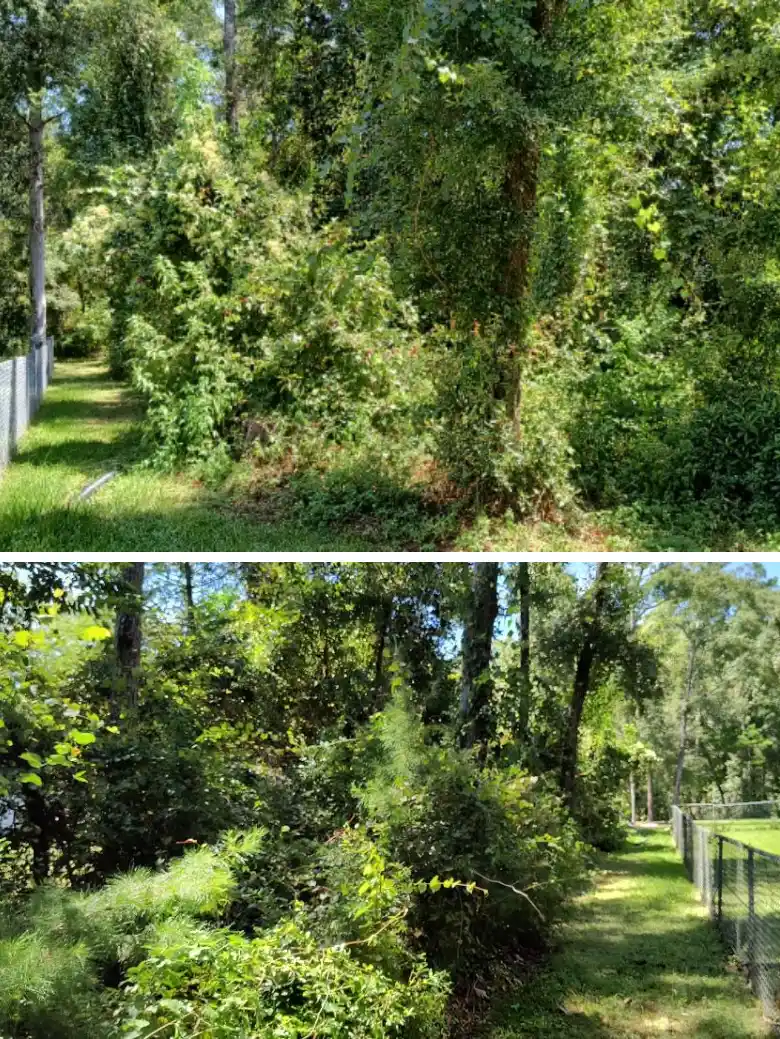
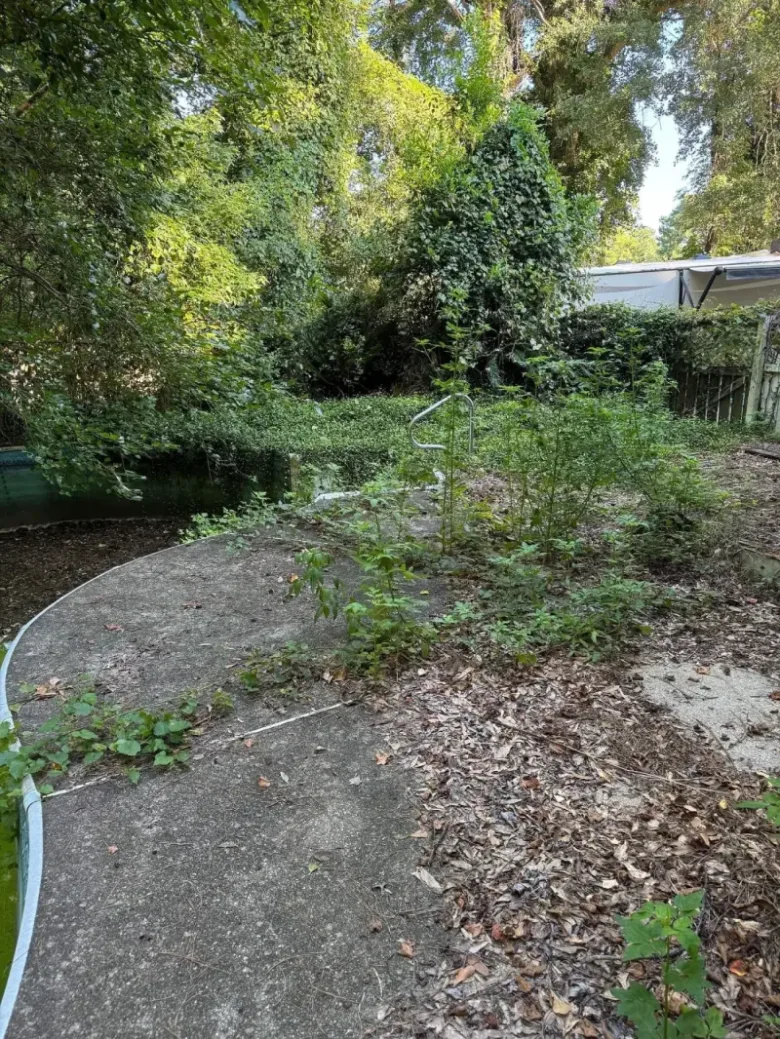
Overgrown lots collect thick brush, from woody shrubs to climbing vines, and thick brush often hides ditches, stumps, old fencing, and debris. Aggressive non-native plants can choke a lot within a few seasons, and roots and cuttings may need special handling.
Choosing what stays is part of good clearing, and the remaining trees are protected from the equipment. Total clearing is the usual approach for a building pad or a new road, and the choice between selective and complete depends on the plan for the land.
Cutting Trees Safely
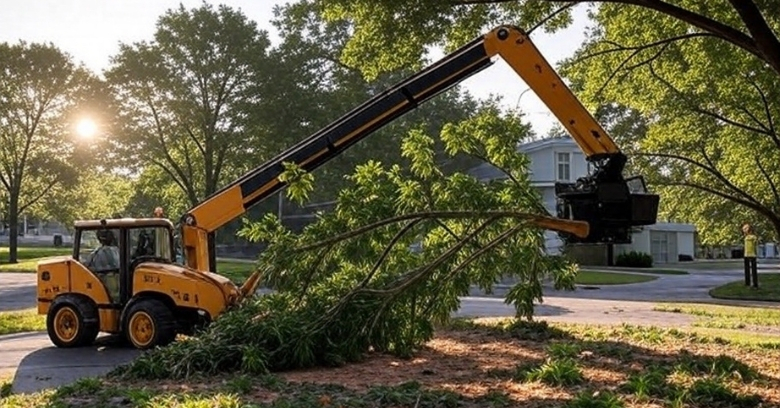
Trees are the largest part of many clearing jobs, and they are handled with care, and the direction of the fall, nearby wires, and nearby structures all shape the plan. Stump removal is a separate step from cutting the tree, and the owner should decide what to do with stumps before the job begins.
Tree protection rules differ from one jurisdiction to the next, and a call to the local office takes only a few minutes. Some species and their burrows are protected, and land with them needs extra care, and the planning stage is the time to raise this.
Machines Used on Site
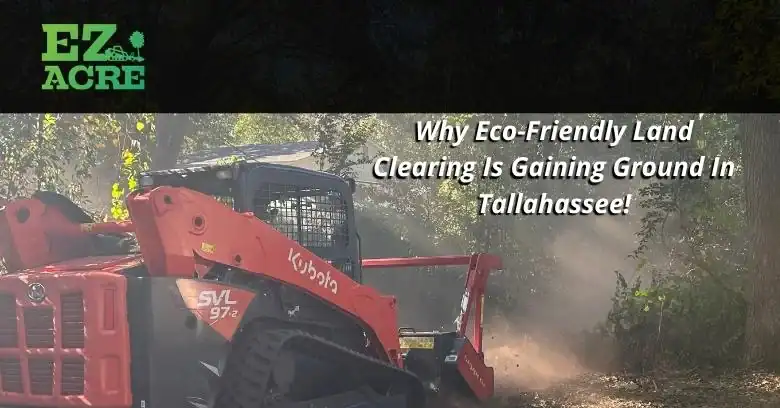
Excavators with grapples pick up trunks and root balls and stack them, and steep or wet ground requires special tires or tracks. Some spots on a property are simply too tight or too sensitive for heavy equipment, and a walk-through helps mark what must be protected.
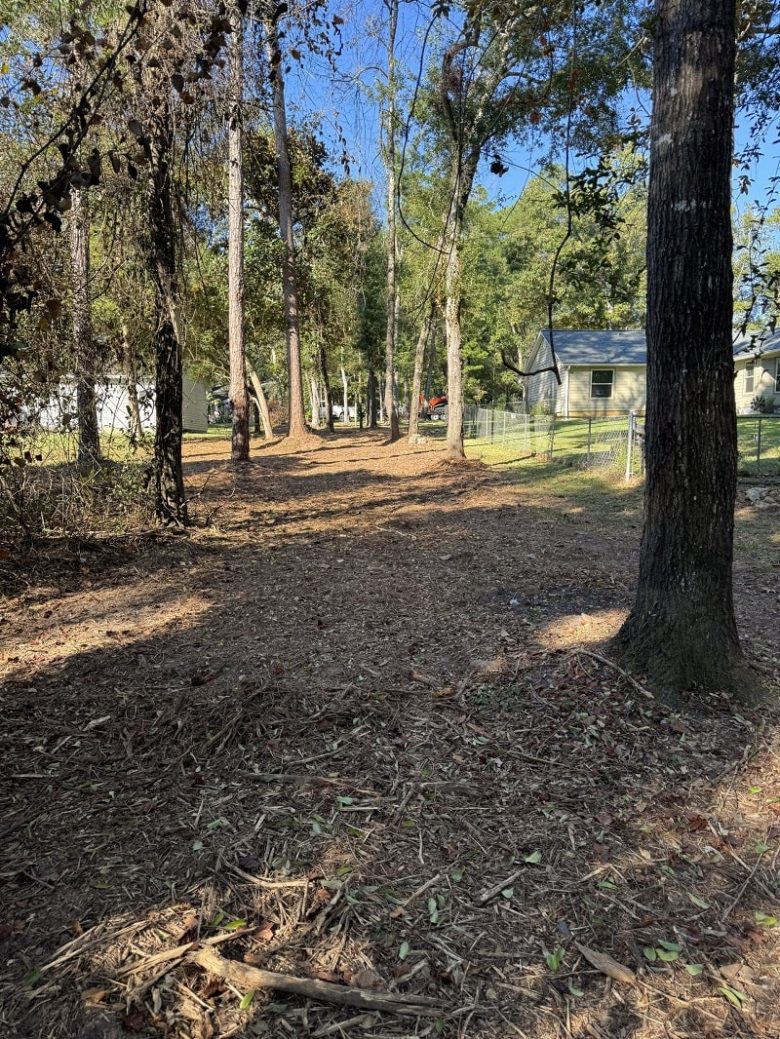
Cutting and hauling away the debris is one approach, and grinding it in place is another, and some trunks can be sold or used for lumber or firewood. Heavy machinery can rut soft soil, especially after rain, and stabilizing bare ground after clearing is a regular step.
What Happens to the Material
The debris from a clearing job can be much more than most people expect, and it can be hauled away, chipped, mulched, or left in place. Wood chips and mulch from a clearing job are useful on the property, and the mulch layer should not be too thick near buildings.
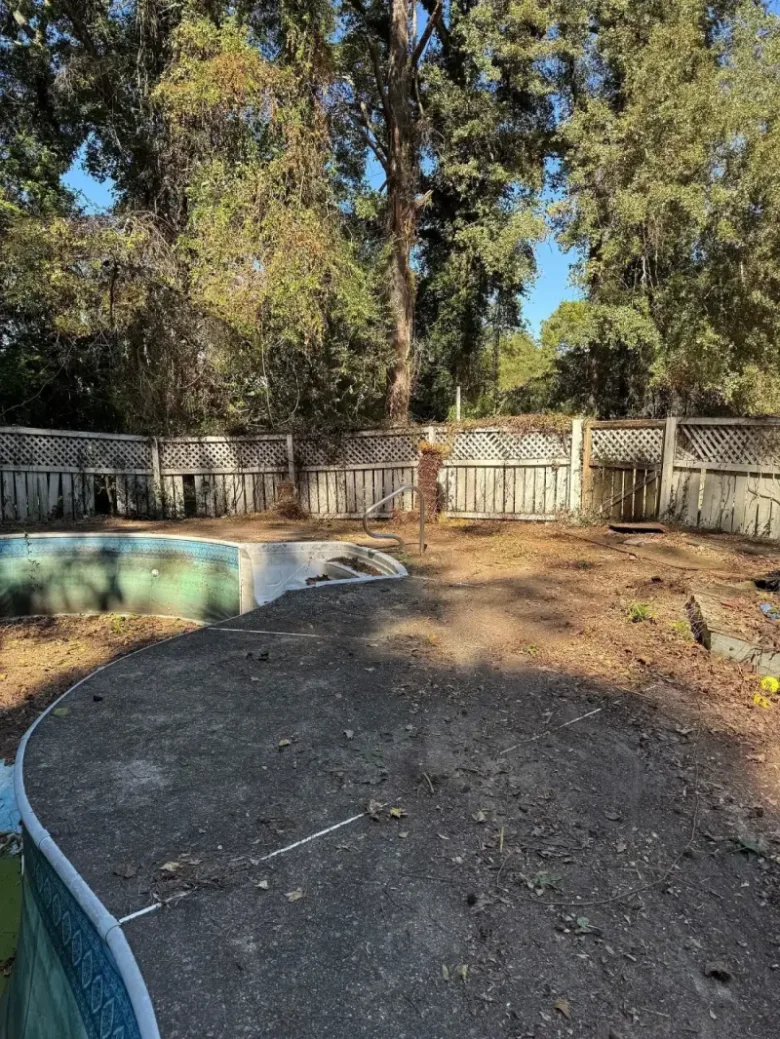
A cleared lot should be graded to drain and covered with grass or mulch, and a bit of seed and mulch goes a long way. Before the crew leaves, it is smart to check the work against what was agreed, and asking questions at the end is part of a good job.
Local Ground and Weather Around The Florida Panhandle
The water table sits close to the surface in many parts of the state, and mats or tracked machines help on soft ground. Summer here brings heat, humidity, and daily thunderstorms, and dry months offer the most dependable window for clearing.
A major storm can turn a tidy lot into a field of fallen timber, and leaning or damaged trees should be handled before the next storm. Brazilian pepper, vines, and other aggressive plants take over neglected ground, and an annual cut is far easier than a complete restoration.
Clearing With the Next Step in Mind
Builders ask for extra room around the pad for equipment, materials, and grading, and a surveyor can mark the limits before the clearing begins. A drive that is cleared with trucks and emergency vehicles in mind works better for everyone, and branches over the drive have to be raised well above the highest vehicle.
Fence lines collect brush, vines, and saplings that push through the wire, and the work is done carefully near neighbors so nothing crosses a property line. Land that was once open can be taken over by brush and young trees in a few seasons, and the first pass is clearing and the second is soil preparation.
Rules and Limits on the Land
Parts of many properties are wetlands, and wetlands are protected by law, and the setback from the water's edge is often a required buffer. Stripping vegetation exposes the soil, and rain can wash it into ditches and ponds, and the plan should show where runoff will go.
Utilities and structures below and above the ground must be located before clearing, and flags and paint mark the locations so the crew can see them. Work near lines should never be improvised, and the safest plan is to leave doubtful areas for a specialist.
Scope, Schedule, and Follow-Up
A small lot can be cleared in a day or two, while larger parcels can take weeks, and the plan for debris can add time at the end. Heavy storms can halt clearing and leave the site too soft to work, and a firm date is hard to promise in a wet season.
A lot that is cleared and then left alone will grow over again, and a thin layer of mulch or a cover of grass slows the weeds. Talking about the long-term plan at the start helps the work fit the land, and that conversation is part of the work.
Keeping the Peace With the Neighbors
Clearing can change the view and the shade of an entire block, and good relations with neighbors outlast the job. Trees growing on the line often have shared ownership under local rules, and owners should ask the crew to respect the markers.
Planning Your Clearing Project
Clear property lines and a plan for the work area prevent disputes and mistakes, and it helps to know where utilities, wells, and septic fields are located. The details of permits, access, and disposal should be settled before the job starts, and the work goes smoothly.
A clear idea of the goal for the land makes Tree Removal Services in The Florida Panhandle simple to narrow down, and a call usually settles the rest.
Reach us at 850-787-9300 to start planning the work.