
Land clearing is a pivotal first step in many development projects, whether you are preparing a site for construction, agriculture, or recreational use. In areas like Tallahassee Florida, understanding the intricacies of land clearing can help property owners and investors plan projects effectively and avoid unexpected expenses. Land clearing involves the removal of trees, brush, rocks, and other obstacles that inhibit the use of the land. It can be a complex process that demands not only heavy machinery and labor but also the expertise of a professional land clearing contractor who understands local regulations and environmental nuances.
In our discussion, we explore the various factors that influence the overall cost of land clearing. It is not just about removing vegetation; multiple elements come into play from the natural layout of the terrain to the permitting process required by local authorities. The condition of the soil, the density of vegetation, and the accessibility of the land all contribute to the cost dynamics. For instance, a relatively flat plot with sparse vegetation in a suburban area of Tallahassee Florida may be cleared more efficiently than a rugged terrain with thick undergrowth. The local environment also affects the equipment needed, which in turn drives labor and operational costs.
Moreover, an experienced land clearing contractor can make a huge difference by offering tailored solutions that take into account the unique attributes of your property. They guide clients through every stage, from initial site evaluation to the final cleanup, validating compliance with safety standards and environmental guidelines. Whether you are planning a large-scale commercial project or a simple residential upgrade, discovering and understanding these cost factors is essential to achieving a smooth and budget-friendly project. In the pages that follow, we will examine the six major factors affecting land clearing costs, enriched with practical examples and insights that are particularly relevant for projects in Tallahassee.
1. Land Topography and Soil Conditions
One of the primary factors influencing the cost of land clearing is the topography and soil conditions of the property. The natural layout of the land, be it flat, sloped, or uneven, determines the complexity of the clearing process. In areas with gentle, flat terrain, machinery can operate efficiently. However, uneven surfaces or steep slopes might require specialized equipment and additional labor, driving the costs higher.
Soil conditions also play a significant role. Rocky or compacted soils can hinder equipment movement and may require extra work to extract or stabilize, further elevating the overall cost. In Tallahassee, local soil variations, such as sandy areas or clay-rich grounds, can affect how easily vegetation roots can be removed and how much additional work might be necessary for subsequent construction or other land uses. For instance, if the soil is overly wet or unstable, not only does the clearing process take longer, but precautions must also be taken to avoid damaging the equipment or causing erosion.
A professional land clearing contractor will often conduct a thorough site evaluation to assess these factors before beginning the project. They can advise on the best practices to mitigate difficulties, such as scheduling operations during dry periods or using specialized machinery to handle rocky terrain. By understanding the local topography and soil conditions, property owners can make more informed decisions and avoid unforeseen expenses during the land clearing process.
2. Vegetation Density and Natural Obstacles
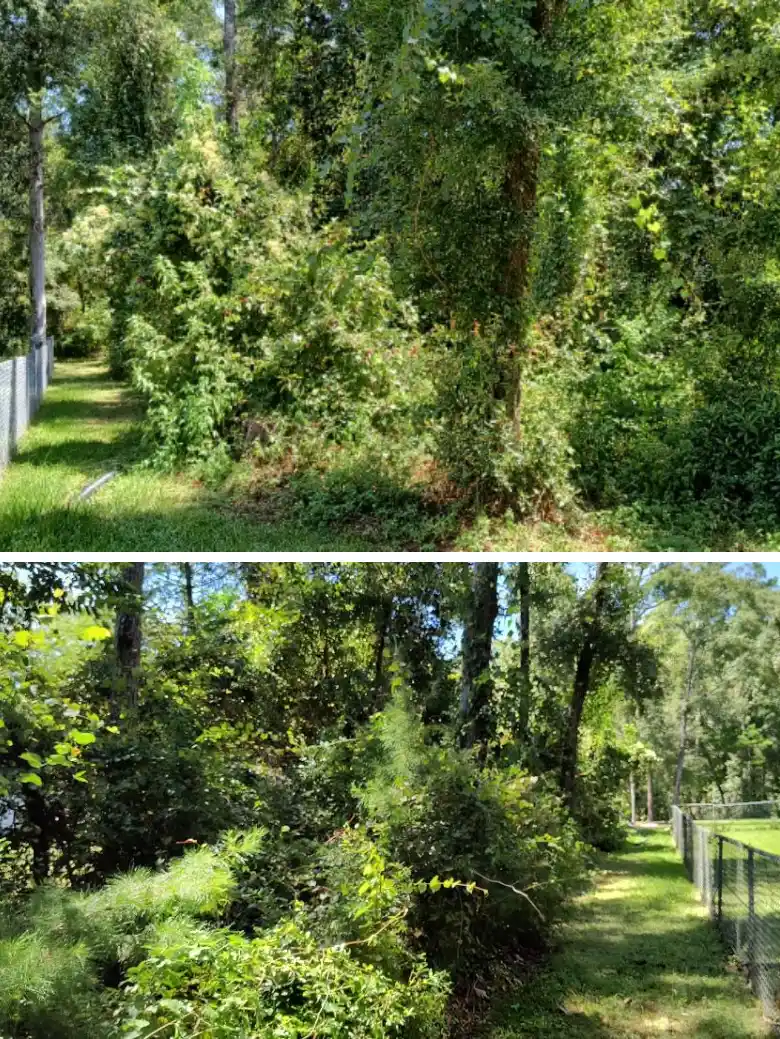
The density and type of vegetation on the property are significant factors that shape the complexity and cost of land clearing. Areas covered with tall trees, dense brush, or invasive species require more labor-intensive efforts compared to lands with minimal plant growth. Contractors must spend additional time and resources to remove thick clusters or hazardous trees, and this naturally escalates the associated costs.
In addition to trees and brush, natural obstacles such as large rocks, fallen logs, or even remnants of old structures can complicate the clearing process. In Tallahassee, where the climate encourages lush vegetation, these challenges may be amplified during particular seasons. For instance, after heavy rain, the ground may become saturated, making it difficult for machinery to navigate without risking damage or causing further disruption to the site.
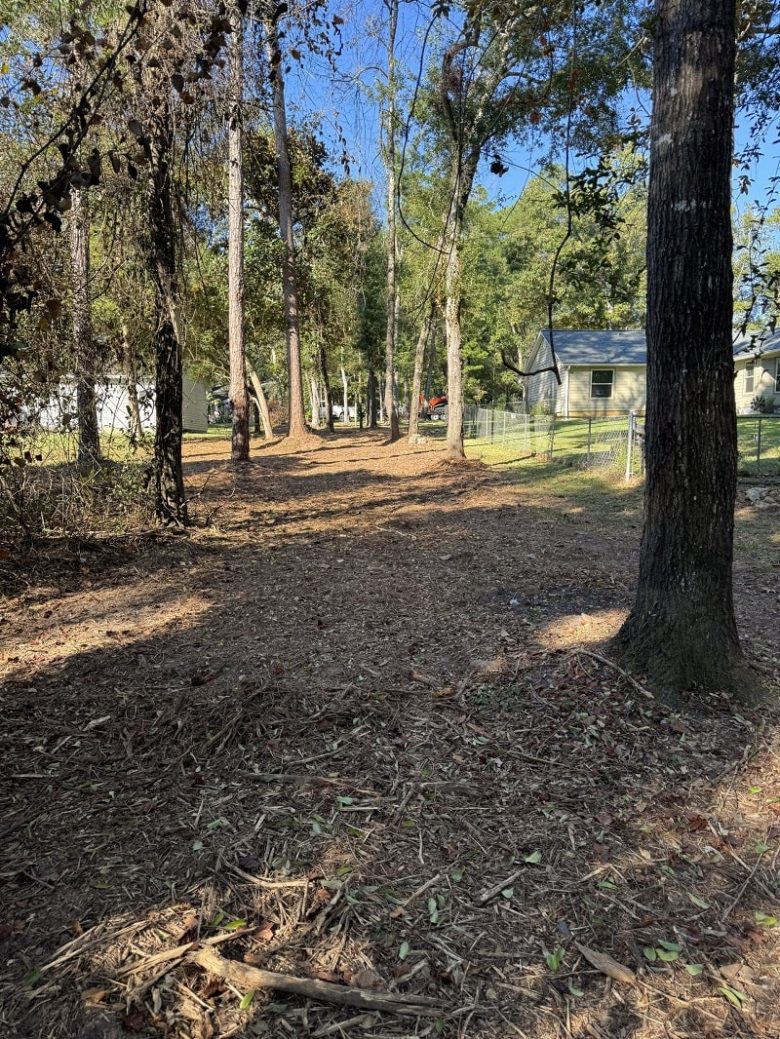
Land clearing contractors bring valuable expertise in managing these issues. They can strategize the removal process by prioritizing hazardous obstacles and determining that the clearing is wide enough to facilitate future construction or landscaping. Utilizing a combination of cutting-edge machinery and traditional labor, these experts can handle even the most stubborn vegetation. Moreover, effective removal often includes cleaning up debris to prevent any potential fire hazards or safety issues post-clearing. The result is a carefully prepared site that is conducive to new development while keeping costs in check.
3. Equipment, Labor, and Time Requirements
The choice of equipment and the hours required to complete a land clearing project largely determine the overall expense. Modern land clearing demands powerful machinery such as bulldozers, excavators, and specialized forestry equipment. The type and condition of this equipment directly impact the cost as heavy-duty machines require maintenance, fuel, and experienced operators to function safely and effectively.
Labor is another key component. Skilled contractors bring both experience and efficiency, which is crucial when working within the demands of local regulations and time constraints. Projects in Tallahassee may require extended working hours during peak seasons to take advantage of favorable weather. As a result, both labor costs and project timelines can vary significantly. A slight miscalculation in the estimated time can lead to escalating costs, partly due to rental extensions of equipment and additional labor charges.
Additionally, environmental factors such as weather conditions can prolong the project duration. Unpredictable rainfall or extreme heat might delay operations, requiring adjustments in scheduling that further influence total project expenses. By accounting for these aspects in initial project estimates, property owners can avoid budget overruns and unnecessary financial strain. Experienced land clearing contractors are adept at forecasting these variables and work to streamline processes while maintaining the highest safety standards throughout the operation.
4. Hiring a Land Management Contractor with the Right Expertise
Choosing the right land clearing contractor is a matter of balancing experience, cost, and reliability. An experienced contractor will offer not only knowledge of equipment and process optimization but also insight into local regulations specific to regions like Tallahassee Florida. Their expertise can significantly reduce unexpected expenses by anticipating challenges before they arise.
A trustworthy contractor will conduct a comprehensive site assessment to identify potential obstacles that could affect the project, such as hidden tree stumps or underground utilities. They are also well-versed in negotiating permits and adhering to environmental standards, a critical factor in simplifying the project timeline, especially when local regulations are tightly enforced.
Furthermore, a skilled land clearing contractor leverages a combination of modern technology and traditional methods. For example, they may use drones to survey the land so that that every detail is accounted for before work begins. Such precautionary measures can help streamline the process, reduce risks, and ultimately lower the overall cost. Clients in Tallahassee often benefit from local contractors who understand regional weather patterns and soil conditions, allowing for more precise project planning and execution. Ultimately, investing in the right contractor may have higher upfront costs but can result in significant long-term savings and smoother project execution.
5. Permits, Regulations, and Environmental Considerations
Navigating the maze of permits, regulations, and environmental considerations is an integral, yet often underestimated, factor in land clearing costs. Local governments, especially in regions like Tallahassee, have stringent rules to prevent adverse environmental impacts and confirm public safety. Securing the necessary permits and adhering to environmental guidelines can add to the overall cost, but these expenses are essential for maintaining legal compliance and protecting local ecosystems.
Often, obtaining permits involves submitting detailed site plans, environmental assessments, and impact studies. The review process can incur additional fees, as well as delays that extend the overall project timeline. Moreover, contractors may need to implement erosion control measures and other environmentally responsible practices, such as replanting native species or making sure of proper disposal of cleared vegetation. These requirements are particularly important in areas where local wildlife and water sources could be affected by extensive land clearing efforts.
In addition, unexpected findings during the permitting process, such as the discovery of protected species or historical artifacts, may lead to further modifications of the project plan. Working with a contractor who is familiar with these regulatory hurdles not only makes certain that the work is done correctly the first time but also mitigates the risk of incurring hefty fines or project delays.
6. Location-Specific Factors and Accessibility in Tallahassee
Lastly, location-specific factors play a crucial role in determining the cost of land clearing. In Tallahassee, elements such as local labor rates, equipment mobilization costs, and even seasonal weather patterns can have a direct impact on the overall expense. Urban and suburban areas may exhibit different labor and equipment costs compared to more remote or rural sites. Accessibility to the site is critical; properties that are easily reachable by large machinery tend to incur lower costs since the logistics are less complicated.
Local infrastructure, including roads and available services, can also influence the pricing structure. For example, if the property is located in a well-connected area of Tallahassee, it might be easier and faster for contractors to complete the job. Alternatively, if the land is in a secluded or difficult-to-access area, additional time and resources will be necessary to transport heavy machinery and skilled labor. This, in turn, raises the overall cost of the land clearing project.
Moreover, weather patterns unique to Florida, such as sudden rainstorms or extended periods of high humidity, might affect the timing and execution of land clearing efforts. Contractors who are familiar with these local trends can schedule operations during optimal weather windows, guaranteeing both efficiency and cost-effectiveness. By understanding the unique challenges of the local landscape, property owners can better plan and budget their land clearing projects so that they receive value and quality service from experienced professionals.
Conclusion
In summary, the cost of land clearing is shaped by a host of factors that range from natural elements to regulatory requirements. When planning a project, property owners must consider the topographical features and soil conditions of the land, as these dictate how labor and machinery are deployed. Dense vegetation and natural obstacles further complicate the clearing work, thereby driving up costs. The choice of equipment and labor, along with the necessary time allocation, also adds layers of complexity to the overall expense profile.
Choosing an experienced land clearing contractor can be pivotal in managing these costs. In Tallahassee, local contractors bring invaluable expertise in navigating regional weather patterns, soil composition, and regulatory frameworks. Their ability to conduct thorough site assessments, secure permits, and use appropriate machinery not only makes sure that the work is completed efficiently but also protects the environment and local ecosystem.
Furthermore, compliance with strict permitting and environmental regulations cannot be overlooked. These factors not only add certain unavoidable costs but also safeguard the community and preserve natural habitats for the future. Location-specific considerations, such as accessibility and local infrastructure, play an equally important role in projecting the final expenditure. When all these elements are taken into account, it becomes clear that the cost of land clearing is as much about planning and management as it is about the physical act of clearing the land.
As you embark on your land clearing project, remember that knowledge is power. A clear understanding of these factors will enable you to budget effectively and select the right land clearing contractor to meet your unique needs. Make sure to seek expert advice, perform due diligence, and plan for contingencies so that your project runs smoothly, on schedule, and within budget. Now is the perfect time to turn your property into a safe, clear, and usable asset with the proper planning, every obstacle can be overcome.
Key Takeaways
- Evaluate the Land’s Topography: Understand whether your property features flat or uneven terrain. Uneven land can require specialized equipment and extra labor, which may increase costs significantly.
- Assess Soil Conditions: Identify if your soil is rocky, sandy, or clay-rich. These conditions play a critical role in determining how easily work can be completed and what extra measures might be needed during the clearing process.
- Examine Vegetation Density: Determine the thickness and type of vegetation on your land. Dense brush or mature trees require more time and resources to remove, resulting in higher overall project expenses.
- Review Contractor Expertise: Hire a land clearing contractor with a proven track record. Their experience in managing local projects in Tallahassee Florida can help preempt challenges and confirm adherence to local regulations.
- Plan for Equipment and Labor Needs: Consider the type of heavy machinery required and the number of skilled operators needed. Efficient equipment use and adequate labor directly influence both project timelines and budgets.
- Factor in Permitting and Regulations: Understand that securing permits and meeting environmental guidelines may add fees or delays. Compliance is crucial to avoid fines and be sure of a smooth project process.
- Consider Accessibility and Local Infrastructure: Evaluate how easy it is for machinery and labor to access your site. Well-connected locations typically allow for faster and more cost-effective operations.
- Account for Seasonal and Weather Variables: Be aware of local weather patterns, particularly in Tallahassee. Unpredictable weather can delay operations and increase overall labor and equipment costs.
- Budget for Unexpected Challenges: Set aside contingency funds for unforeseen issues, such as hidden obstacles or additional environmental safeguards, which might arise during the project.
- Compare Multiple Quotes: Obtain detailed estimates from several land clearing contractors. A comprehensive comparison helps ascertain that you receive quality workmanship at a competitive price without compromising on safety or compliance.
FAQs
1. What does land clearing involve?
Land clearing involves the removal of trees, brush, rocks, and other obstacles from a piece of land to prepare it for future use. It is an essential step for construction, agriculture, or other development projects and often requires specialized equipment and skilled labor to complete efficiently.
2. How is the cost of land clearing determined in Tallahassee Florida?
Several factors influence costs, including the topography, soil conditions, vegetation density, necessary equipment, and labor. Additionally, local permitting, regulatory requirements, and seasonal weather conditions in Tallahassee can affect the final price.
3. Why is it important to hire an experienced land clearing contractor?
An experienced contractor can accurately assess the site, determine complexities, secure necessary permits, and efficiently complete the project while adhering to local regulations. Their expertise helps avoid unexpected expenses and makes certain that the project meets safety and environmental standards.
4. How does topography affect land clearing costs?
The terrain’s features such as slopes or uneven ground can require additional manpower and specialized equipment, thereby increasing labor and equipment costs. Flat land is generally easier and less expensive to clear compared to rocky or sloped regions.
5. What role do environmental regulations play in land clearing?
Environmental regulations see to it that land clearing activities do not harm local ecosystems or endangered species. Compliance may involve additional paperwork, impact studies, and specific mitigation measures, all of which can add to the overall cost but remain crucial for sustainable and legal project execution.
6. Can seasonal weather in Tallahassee impact the land clearing process?
Yes, seasonal weather can delay projects or complicate operations. For instance, heavy rains or extreme humidity can slow down progress, requiring rescheduling or additional protective measures, which may ultimately affect labor and machinery costs.
7. How should I evaluate the vegetation density on my property?
A professional site assessment by a land clearing contractor can determine the density and type of vegetation present. This evaluation will help select the right equipment for efficient clearing and estimate the necessary labor, thus influencing the overall project cost.
8. What are the benefits of using modern equipment in land clearing?
When used by experienced operators, modern machinery can significantly reduce the time required for land clearing. Its precision and power allow for faster and safer obstacle removal, which limits operational costs and enhances project efficiency.
9. Are there hidden costs associated with land clearing?
Hidden costs might include additional labor due to unforeseen obstacles, extra machinery rental, permit fees, and environmental compliance expenses. It is essential to conduct a thorough site evaluation and allow for a contingency budget to cover these potential hidden expenses.
10. How can I be sure that I get the best value for my land clearing project?
Obtaining multiple detailed quotes from respected land clearing contractors, understanding all influencing factors, and discussing potential challenges during the evaluation process can help guarantee that you receive a high-quality, cost-effective service tailored to your specific needs in Tallahassee Florida.