Land clearing is often the very first step in transforming a plot of untouched property into your dream home site, a thriving agricultural field, or a new commercial development. Whether you own acreage in Tallahassee Florida or are eyeing a promising parcel outside Quincy, knowing how to clear land efficiently and correctly has enormous long-term implications. Choosing the right method for land clearing is not just a matter of renting heavy equipment and bulldozing trees. Instead, every property requires a thoughtful approach that considers local regulations, soil types, desired future use, environmental impacts, safety, and budget.
For Florida property owners in places like Leon and Gadsden Counties, land clearing brings its own regional quirks. The balmy climate, rich biodiversity, and unique geology of the area mean the one-size-fits-all approach rarely delivers the best results. Instead, working with a knowledgeable land clearing contractor in Tallahassee or Quincy means that both the process and the final outcome are tailored to your goals.
But with so many clearing methods available including manual, mechanical, chemical, burning, or a creative hybrid, it is easy to feel overwhelmed. Should you go all-in with a forestry mulcher, rely on chainsaws and old-fashioned elbow grease, or hire a crew that specializes in eco-friendly techniques? What about local restrictions, wildlife habitats, and project timelines? These are just a few of the questions you must answer before the first tree falls.
In this guide, we will break down the major methods for clearing land, unpack the pros and cons of each, and highlight what is most relevant for properties in Tallahassee and Quincy Florida. Plus, we will examine why hiring a qualified land clearing contractor makes a massive difference, not just in cost and convenience, but in your land's long-term health and value. By the end, you will be fully equipped to pick a land clearing approach that perfectly suits your Florida property and your unique objectives.
Choosing the Right Land Management Method
Effective land clearing begins with a thorough understanding of both the land and the intended use. Properties in Tallahassee Florida and nearby Quincy can range from flood-prone lowlands to high, sandy pine woods. The vegetation, soil, topography, and even local wildlife influence which method of land clearing will deliver the best results. Below, we explore the most popular methods and what you should know before making a decision.
1. Manual Land Management: Precision and Control
Manual land clearing methods involve hand tools, such as chainsaws, axes, and machetes, and sometimes small power equipment. This technique is perfect for small properties, targeted clearing, or when you need to carefully preserve certain trees and native species.
Pros:
- Precise removal for select clearing
- Minimal soil disturbance
- Lower upfront equipment costs
Cons:
- Extremely labor-intensive for larger areas
- Time-consuming
- Safety risks if not handled by professionals
In the Tallahassee and Quincy Florida areas, manual clearing is particularly popular among homeowners who want to maintain the rustic charm of their land, remove invasive species, or create nature trails while leaving the land's natural contours intact.
2. Mechanical Land Management: Speed and Efficiency
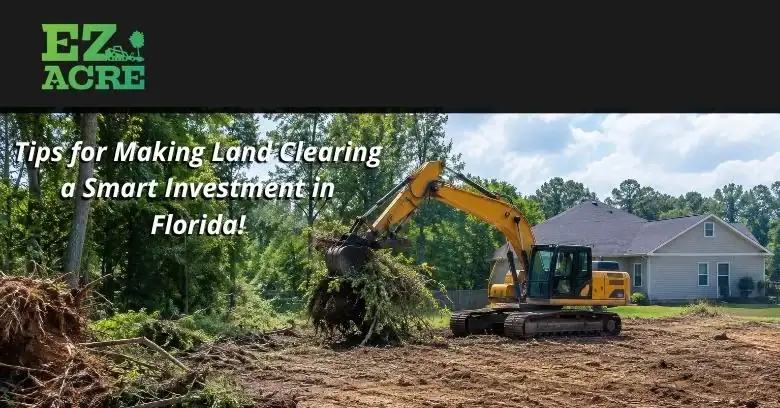
Mechanical land clearing, often handled by a professional land clearing contractor, uses heavy equipment such as bulldozers, excavators, skid steers, and forestry mulchers to clear large acreage efficiently. These machines can cut, uproot, grind, and haul everything from saplings to established trees.
Pros:
- Fast and effective over large tracts
- Ideal for prepping sites for development or pasture
- Can combine tasks such as mulching and grading
Cons:
- Potential for significant soil disturbance and compaction
- Higher upfront costs
- May require follow-up work to remove stumps or smooth soil
In North Florida where dense growth and stubborn underbrush are common, mechanical land clearing is often favored for agricultural projects, subdivisions, or commercial ventures. A reliable land clearing contractor in Tallahassee will assess your specific needs and deploy the right mix of equipment.
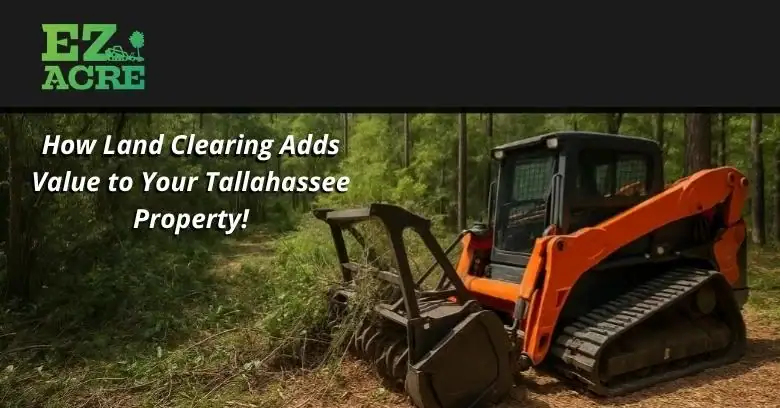
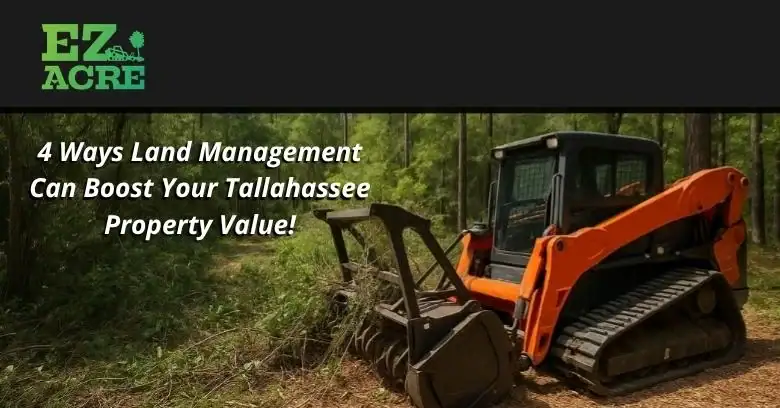
3. Forestry Mulching: Eco-Friendly and Versatile
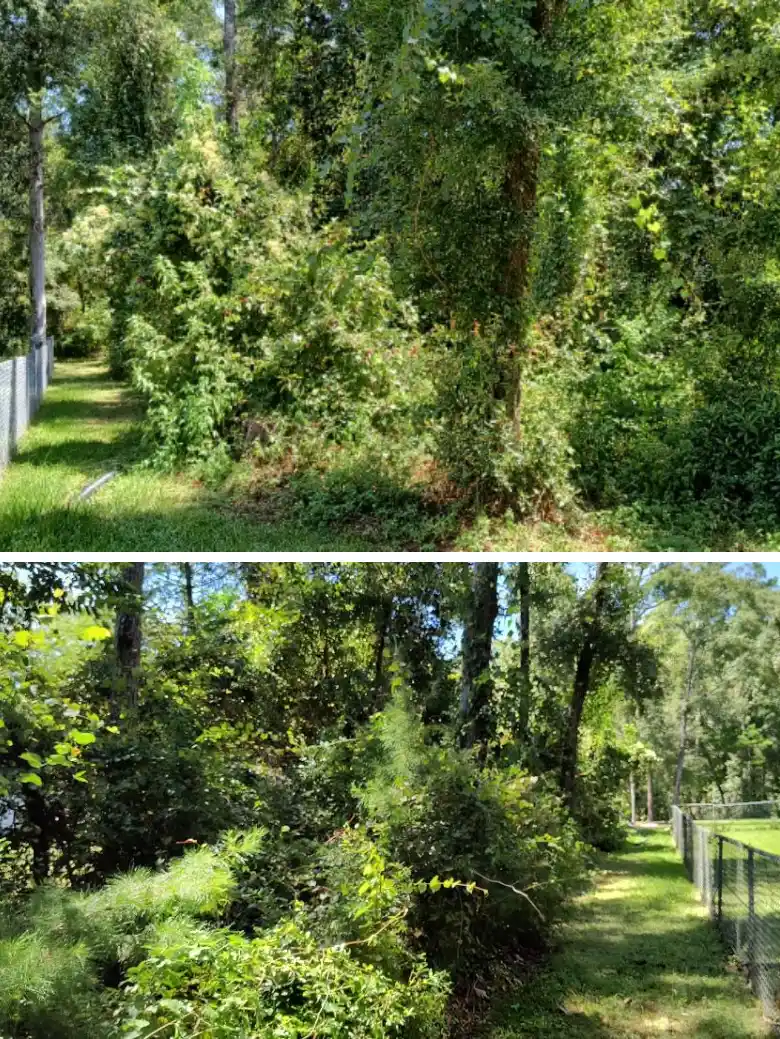
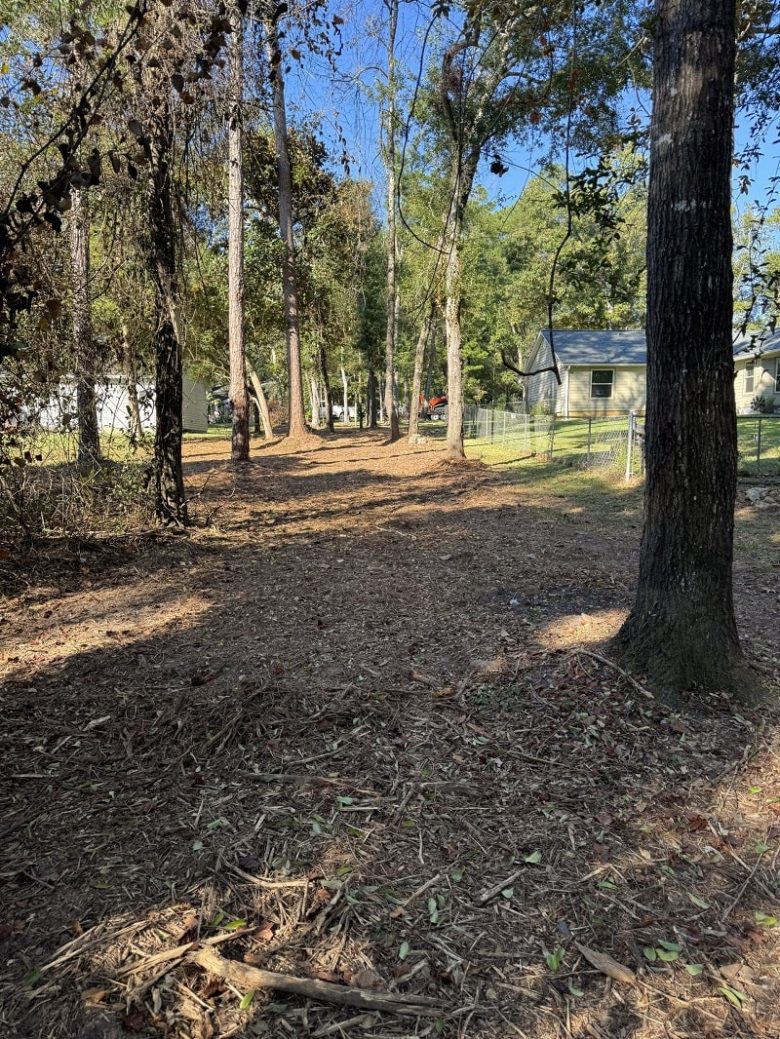
Forestry mulching has gained huge popularity in recent years, particularly with landowners who prioritize sustainability. Instead of uprooting trees and brush, forestry mulchers grind them on-site, turning wood and vegetation into mulch that returns nutrients to the soil.
Pros:
- Minimal soil disturbance and erosion
- Natural mulch improves future plant growth
- Fewer permitting/air quality concerns compared to burning
Cons:
- May not remove large stumps or deep roots
- Somewhat slower than full mechanical clearing for massive acreage
- A thick mulch layer may hinder certain projects, like building pads
In Tallahassee or Quincy, this method is especially beneficial on sloped sites or environmentally sensitive areas. It is also an excellent choice for maintaining hunting properties or wildlife corridors while keeping invasive plant species at bay.
4. Chemical Clearing: Specialized But Risky
Chemical land clearing uses herbicides to kill unwanted vegetation, making removal easier over time. This is typically reserved for stubborn invasive species or areas where mechanical access is restricted.
Pros:
- Effective at targeting specific plants
- Useful in hard-to-reach locations
Cons:
- Environmental risks, especially near water sources
- Slow results
- Potential regulatory issues and safety concerns
If you live near wetlands or protected habitats around Tallahassee and Quincy, always consult an experienced land clearing contractor before considering chemical methods. The will see to it that you comply with all local and state regulations.
5. Controlled Burning: Traditional Yet Regulated
Controlled or prescribed burning is one of the oldest land clearing techniques, historically used by Native Americans and early settlers to rejuvenate the land. Burning can swiftly clear brush and return nutrients to the soil, but it is highly regulated due to wildfire concerns.
Pros:
- Rapid, large-scale clearing
- Enhances soil fertility
Cons:
- Major safety and liability risks
- Requires permits and precise weather/timing
- Not suitable near structures or populated areas
In Florida, controlled burning is generally reserved for rural tracts under the supervision of certified professionals. If you are considering this route, hire a land clearing contractor with extensive local experience in prescribed burns.
6. Hybrid and Alternative Approaches
Many landowners benefit from hybrid strategies, combining mulching, selective manual clearing, and mechanical methods. For example, a contractor might use a forestry mulcher for the bulk of the work but finish with manual tools along sensitive boundaries or near desirable trees.
Hybrid approaches allow for greater customization, minimizing the drawbacks of a single method while maximizing efficiency and ecological benefits.
The Importance of Choosing a Professional Land Management Contractor
Why not just rent some equipment and tackle land clearing as a DIY weekend project? The truth is, professional land clearing brings substantial advantages, especially in areas like Tallahassee and Quincy:
- Expertise: Local contractors know the unique challenges posed by Florida's climate, soil, and vegetation.
- Permitting and Compliance: Professionals make sure your project complies with zoning, environmental, and permitting requirements, helping you avoid costly legal headaches.
- Safety: Clearing land involves serious risks, from equipment accidents to snake encounters. Contractors have the right gear and training.
- Cost Efficiency: While hiring a contractor has higher upfront costs, the process is usually faster, safer, and better executed, saving you money in the long run.
- Environmental Protection: Skilled contractors minimize damage to desirable trees, waterways, and wildlife habitats, helping you avoid penalties and preserve property value.
When interviewing a land-clearing contractor in Tallahassee or Quincy Florida, ask about their equipment, experience, insurance, knowledge of permitting, and approach to sustainability. The right team will guide you through every stage, from planning and clearing to debris removal and site prep.
Land Management Considerations Specific to Tallahassee and Quincy
Every region has its own land clearing nuances ;and North Florida is no exception. Here is what property owners should bear in mind:
- Soil Types: From sandy soils that drain quickly to heavy clay, soil types can dictate the best clearing and grading practices.
- Weather Patterns: The area's heavy rains, seasonal hurricanes, and humidity influence when and how clearing should occur.
- Endangered Species: Both Tallahassee and Quincy are home to protected plants, tortoises, and birds. Professional contractors can help navigate these sensitivities.
- Local Ordinances: There are often rules regarding tree removal, burn bans, and soil erosion that vary by county.
- Site Access: Dense brush or wetlands may require specialized machinery or techniques to clear safely and effectively.
Conclusion
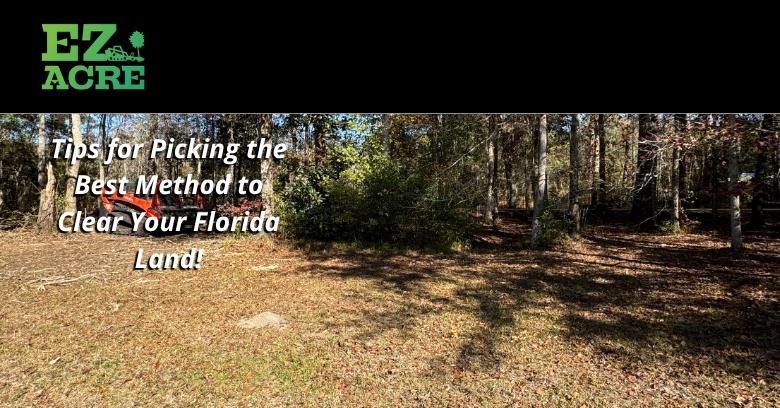
Selecting the best method to clear your Florida land is far more than a matter of convenience. It is an investment in your property's long-term value, environmental health, and future usability. Whether you are tackling a piney stretch in Tallahassee or prepping acreage in Quincy for farming, understanding your options is the key to a successful land clearing project.
Working with a qualified land clearing contractor in Tallahassee or Quincy Florida provides peace of mind, regulatory compliance, and the ability to customize your approach for the best possible results. Remember: each parcel is unique, and the right method is not just about speed; it is about your vision for the land and the legacy you hope to create.
Ready to transform your parcel into something extraordinary? Reach out to a trusted local contractor today and take the first step towards a land clearing strategy that matches your goals and respects the beauty of Florida's landscape while saving time, money, and stress along the way.
Key Takeaways
- Evaluate Your Property's Needs: Before starting, consider your land's size, topography, soil, vegetation, and ultimate purpose. Each of these factors will directly affect the best land clearing method for your property in Tallahassee or Quincy.
- Choose the Right Clearing Method: Manual, mechanical, mulching, chemical, burning, or a hybrid approach, each has unique benefits and drawbacks. Consider efficiency, cost, and environmental impact before deciding.
- Hire a Qualified Land Management Contractor: Local expertise is invaluable. A professional land clearing contractor in Tallahassee or Quincy will navigate permitting and environmental regulations to deliver a safer, more effective clearing process.
- Prioritize Safety and Compliance: Land clearing is not just about physical labor. Comply with all local ordinances and environmental laws, and prioritize strict safety protocols to prevent accidents.
- Think About Environmental Impact: Forestry mulching and selective clearing methods minimize harm to soil and wildlife habitats, sustaining long-term land value in Florida.
- Plan for Debris Management: Decide whether you will mulch, burn, haul off, or compost cleared materials. Proper debris management affects cost, soil health, and project efficiency.
- Schedule Strategically: Take local weather patterns and seasons into account and avoid clearing during rainy months or hurricane season to prevent delays and erosion.
- Preserve Desirable Features: Protecting large heritage trees, natural buffers, and waterways can enhance your property's beauty and value.
- Budget Wisely: Get detailed estimates from multiple contractors, and remember that cutting corners up front can lead to higher costs and headaches later.
- Follow Up With Site Prep: After clearing, see that your land is properly graded, seeded, or prepped for its next phase, whether that is construction, farming, or landscaping.
FAQs
1. What is the most efficient land clearing method for large properties in Tallahassee or Quincy Florida?
Mechanical land clearing with heavy machinery is typically the most efficient for larger acreage in Tallahassee and Quincy. It quickly removes dense vegetation, stumps, and underbrush, making it ideal for prepping sites for development or agriculture.
2. Can I clear my land myself or should I hire a land clearing contractor?
While DIY clearing is possible for small projects, hiring a land clearing contractor in Tallahassee or Quincy provides safety, compliance, and efficiency, especially for larger or more complex jobs.
3. What are the environmental benefits of forestry mulching in Florida?
Forestry mulching returns organic matter to the soil, reduces erosion, and helps maintain habitat for local wildlife. It is a preferred method for eco-minded landowners.
4. Is burning vegetation a good option for land clearing in Quincy Florida?
Controlled burning can be effective but comes with strict regulations, safety risks, and permit requirements. It is best handled by certified professionals familiar with local laws.
5. How do I make sure my land clearing project complies with local regulations?
Work with an experienced land clearing contractor who knows Tallahassee and Quincy guidelines. They will handle permits and see to it that environmental protection measures are observed.
6. What is the average cost of hiring a land clearing contractor in North Florida?
Costs vary based on acreage, vegetation type, site access, and chosen clearing method. Always request detailed quotes from multiple contractors in Tallahassee or Quincy for comparison.
7. Can land clearing improve my property's value?
Absolutely. Thoughtful land clearing can boost curb appeal, usability, and prepare your site for profitable development or agriculture.
8. Are there protected species I should be aware of before clearing land in Florida?
Yes, including gopher tortoises and certain native plants. Contractors help identify and protect these species in accordance with state and federal guidelines.
9. How do weather patterns affect land clearing in Tallahassee and Quincy?
Heavy rains or hurricane threats can delay work and cause erosion. Schedule projects for drier seasons and consult local contractors on the best timing.
10. What happens to the debris after land clearing?
Debris can be chipped for mulch, burned with permits, hauled away, or composted. Your contractor will recommend the best method based on your property and goals.