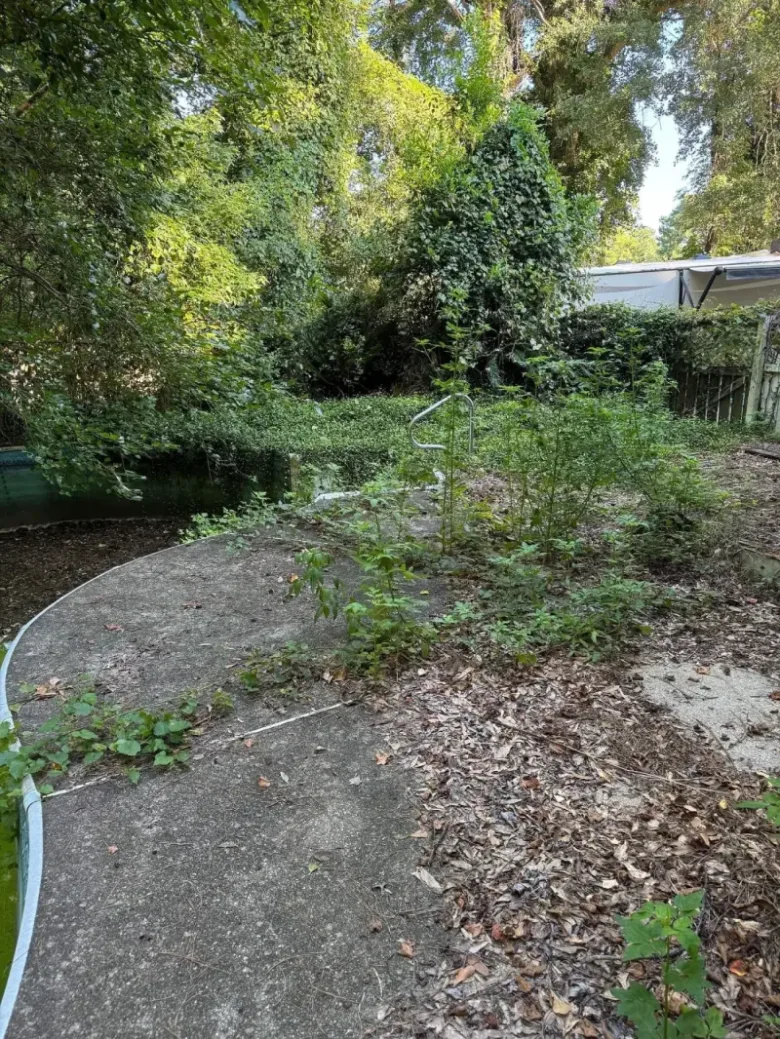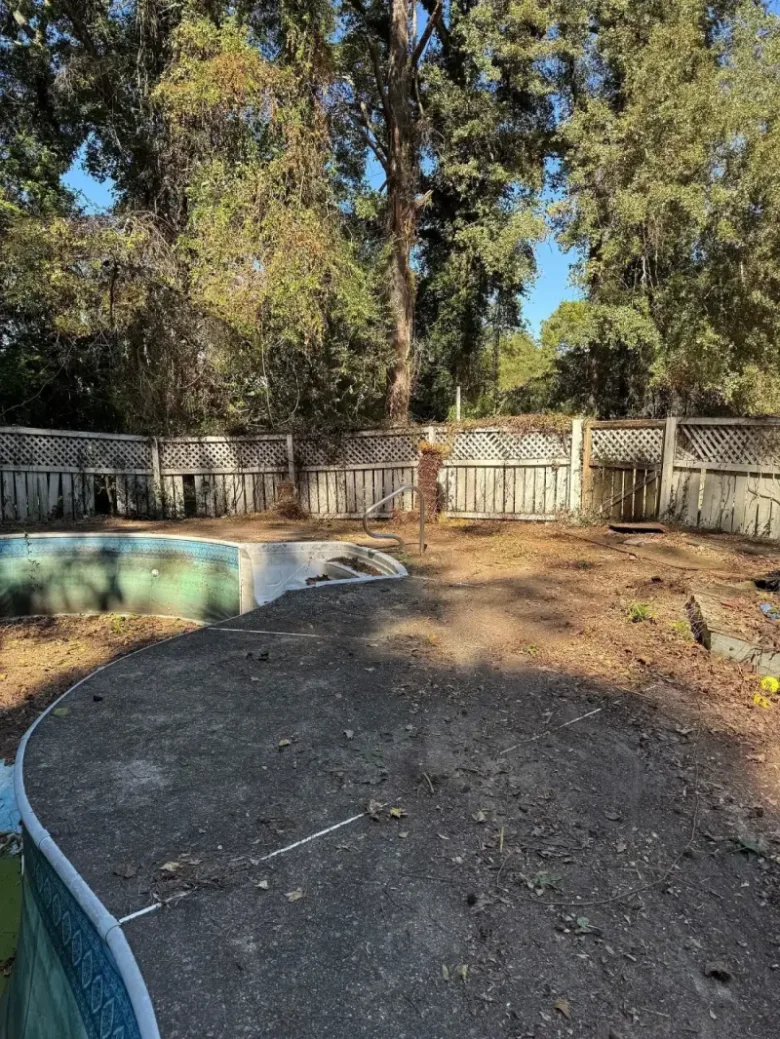
If you own raw land in Tallahassee Florida or nearby Crawfordville, the chances are high that you have considered land clearing at some point, whether it was for new construction, pastureland, landscaping, or fire mitigation. But with so many options, choosing the right land clearing method can feel overwhelming. Should you burn, mulch, or bulldoze? Is it better to hire a professional land clearing contractor or attempt it yourself? And how can your choice impact the future value, safety, and usability of your property?
Land clearing is not just about removing trees and brush. It is a crucial step in transforming raw land into usable space for homes, businesses, farms, or recreational areas. The process sets the tone for everything that follows, including impacting soil health, drainage, ecosystem balance, and future land management needs. In the lush, subtropical climate of Northern Florida, particularly places like Tallahassee and Crawfordville, you will also need to factor in local vegetation types such as pine, oak, palmetto, and dense underbrush, seasonal challenges, and the implications on native wildlife.
The decision extends beyond just picking the fastest, cheapest method as it is about understanding your unique property goals and the pros and cons of each approach. Are you prepping a small residential lot or hundreds of acres for agricultural use? Does your property have challenging terrain or environmentally sensitive areas? How will land clearing affect stormwater runoff or your neighbors?
Beyond the technical challenges, there are important legal, safety, and environmental considerations. Local permitting requirements, protected species, and erosion control regulations all play a major role in what is allowed and what yields the best results. The expertise of a trusted land clearing contractor is invaluable here, bringing local knowledge, permitting assistance, and efficient equipment to the table.
This guide will walk you through the main land clearing methods available in Tallahassee Florida and surrounding areas such as Crawfordville, helping you choose the right approach for your needs, whether you are preparing for new construction, fire mitigation, or simply reclaiming overgrown acreage. By the end, you will have the knowledge you need to make a smart, future-ready decision for your property.
Understanding the Importance of Land Management
Before you choose a method, it is important to understand why you are clearing and what you hope to achieve. Land clearing is foundational for:
- New construction: Prepping the ground for houses, driveways, or commercial buildings.
- Agriculture: Creating pastures, food plots, or row crop fields.
- Landscaping: Transforming overgrown lots into lawns or gardens.
- Safety and fire prevention: Reducing hazardous vegetation.
- Pest control: Minimizing habitat for snakes, rodents, or ticks.
- Restoration: Removing invasive species or unhealthy trees.
Each goal will influence your choice of land clearing method and whether you will need the help of a professional land clearing contractor.
Common Land Management Methods in Tallahassee and Crawfordville
1. Manual Clearing
What is it? Manual clearing uses hand tools such as chainsaws, axes, as well as machetes and is best suited to small-scale projects, selective tree removal, or areas with sensitive vegetation.
Pros:
- Precise and selective, ideal for preserving desirable trees.
- Least disruptive to soil or native habitats.
Cons:
- Labor-intensive, slow, and impractical for large plots.
- May not be feasible for dense or mature growth.
Best For: Small residential lots or areas requiring selective clearing.
2. Mechanical Land Management
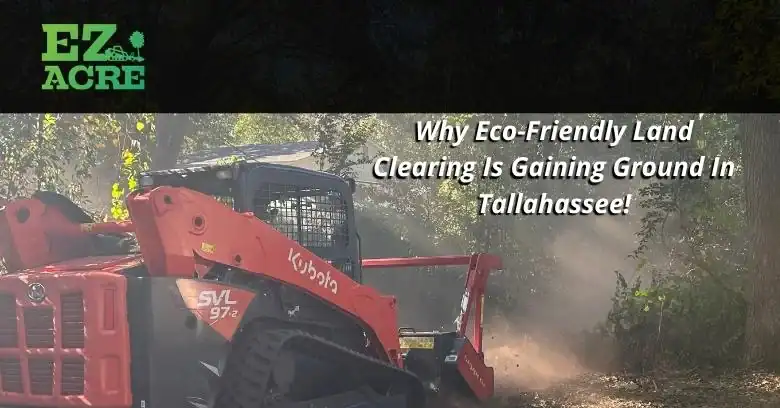
What is it? Mechanical clearing uses heavy machinery such as bulldozers, excavators, skid steers, and forestry mulchers to transform large areas quickly.
Sub-methods:
- Bulldozing: Pushes or pulls out trees, brush, and debris.
- Excavation: Digs out stumps and rocks.
- Forestry Mulching: Shreds vegetation with minimal soil disturbance, leaving mulch behind.
Pros:
- Fast for large, overgrown properties.
- Equipment like forestry mulchers leaves behind beneficial mulch.
- Can tackle tough stumps and roots.
Cons:
- Expensive up front, especially for rentals.
- Can compact or damage soil, affecting drainage.
- Non-selective, may remove desirable vegetation.
Best For: Large acreage, pasture creation, site development, and lots with dense brush.
3. Burning - Controlled Burns
What is it? This method uses controlled, supervised fire to clear brush or small trees.
Pros:
- Fast and inexpensive over large areas.
- Adds nutrients to the soil.
Cons:
- Not always allowed, requires permits and experienced supervision.
- Weather-dependent and carries the risk of fire escape.
- Not suitable near structures or sensitive environments.
Best For: Larger, rural parcels where ecological restoration or pasture creation is the goal.
4. Chemical Clearing
What is it? Applies herbicides or chemicals to kill unwanted vegetation.
Pros:
- Effective on invasive species or hard-to-reach areas.
- Useful for maintenance after initial clearing.
Cons:
- Potential environmental risks, requires careful selection of chemicals.
- Slow, can take months to see results.
- Not suitable where quick results are needed.
Best For: Targeted removal of stubborn species or ongoing property maintenance.
5. Hiring a Professional Land Management Contractor
For most property owners in Tallahassee and Crawfordville, hiring a professional land clearing contractor is the most efficient and reliable route. Here is why:
- Expertise: Contractors understand local regulations, permitting, and environmental safeguards.
- Equipment: They have access to specialized machinery for every type of vegetation and terrain.
- Efficiency: Can clear large areas in days, not weeks or months.
- Permitting: They will handle required paperwork and inspections.
- Safety: Reduced risk of accidents or regulatory violations.
A local land clearing contractor will know which methods work best for North Florida's unique climate and landscape so that your project is completed safely, legally, and efficiently.
Factors to Consider When Choosing a Land Management Method
1. Property Size and Terrain
- Larger properties often require mechanical or combined methods.
- Sloped or rocky ground may restrict equipment choice.
2. Vegetation Type
- Thicker woods or mature timber may demand heavy machinery.
- Light brush or invasive species might only need manual or chemical clearing.
3. Environmental Impact
- Forestry mulching preserves topsoil, reduces erosion, and returns nutrients.
- Burning has ecological benefits when done right, but it may risk air quality.
- Chemical clearing should be used sparingly to prevent waterway contamination.
4. Local Laws and Permitting
Tallassee and Crawfordville have strict codes regarding tree removal, burning, and stormwater management. Research city or county regulations, otherwise let your land clearing contractor handle it!
5. Cost and Timeline
- Manual = cheapest if DIY, but slowest.
- Mechanical = fastest, but most expensive.
- Contractors = upfront cost but save time, reduce risk, and avoid regulatory headaches.
6. Your Long-Term Plans
- If you want a clean, build-ready site, mechanical or contractor services are best.
- For wildlife habitat, selective manual or mulching methods are preferable.
- For routine farm or pasture maintenance, burning or chemicals may suffice.
Pros and Cons of Each Land Management Method
Manual Clearing
- Pros: Good for precision, lower upfront cost, and little environmental impact.
- Cons: Impractical for tough jobs, labor-intensive, not scalable.
Mechanical Clearing
- Pros: Efficient for big projects, versatile, quick results.
- Cons: May disrupt soil, higher cost, might require special permits.
Burning
- Pros: Rapid, cost-effective, ecologically restorative when done right.
- Cons: Risky if poorly managed, restricted in populated areas, and requiring permits.
Chemical
- Pros: Low labor, useful for follow-up treatment.
- Cons: Environmental risks, slow, not suited for immediate needs.
Hiring a Contractor
- Pros: All-inclusive, professional results, handles compliance/permits, minimizes risk.
- Cons: Higher upfront costs, must check out companies for experience and licensing.
How to Vet and Hire a Land Management Contractor
When choosing a land clearing contractor in Tallahassee or Crawfordville Florida, look for:
- Local Experience: Familiarity with North Florida's soil, vegetation, and permitting.
- References and Reviews: Past clients should have good things to say, check Google, Facebook, and local forums.
- Proper Licensing & Insurance: Protects you from liability and provides compliance.
- Transparency: Clear, upfront quotes and timelines.
- Services Offered: Some contractors specialize in mulching, others in full-scale bulldozing, choose one that matches your project scope.
Ask plenty of questions: Which methods do they recommend and why? How will they manage debris? Do they offer erosion control or site prep for construction? The answers will reveal their expertise and fit for your project.
Land Management in Tallahassee and Crawfordville: Local Considerations
Tallahassee and Crawfordville feature a mix of pine flatwoods, palmetto thickets, and hardwood forests, each posing different challenges:
- Wet Season Planning: Heavy summer rains impact soil stability and access, so schedule major projects for drier months.
- Protected Species: Gopher tortoises, certain birds, and plants may be present, so contractors should perform assessments and avoid legal headaches.
- Debris Disposal Rules: Local landfills may restrict the dumping of certain materials, on-site mulching can help.
- HOA and County Restrictions: Some neighborhoods or rural zones have different requirements for tree preservation and erosion control.
A professional land clearing contractor experienced in Tallahassee and Crawfordville is best equipped to address these factors.
Conclusion
Choosing the right land clearing method for your property in Tallahassee Florida or neighboring Crawfordville is a decision that impacts not only your immediate project but your property's long-term health and value. Whether you are clearing land for a new home, creating space for agriculture, or just reclaiming overgrown areas, consider your lot size, vegetation, environmental concerns, local regulations, and future plans.
While there are DIY techniques for small, simple projects, the best results for most property owners come from hiring a qualified land clearing contractor. Not only do professionals have the equipment and expertise, but they also understand the specific needs of North Florida's climate, soils, and regulatory landscape.
Ultimately, the right method is the one that meets your goals, protects your investment, and aligns with the local environment. By taking a thoughtful, informed approach and partnering with experienced local contractors when needed, you can enjoy a cleared property that is ready for its next chapter.
Ready to get started? Reach out to a responsible land clearing contractor in Tallahassee or Crawfordville today for a personalized site assessment and quote. Your dream project is just a smart clearing decision away!
Key Takeaways
- Identify Your Goals: Determine whether you need your land cleared for construction, agriculture, aesthetics, or fire prevention as this shapes your entire approach.
- Consider Location-Specific Factors: Tallahassee and Crawfordville have unique climates, vegetation, and regulatory requirements. Choose methods that protect local ecosystems and comply with laws.
- Evaluate Different Methods: From manual and mechanical clearing to burning and chemical treatments, assess each method's pros and cons for your property's size, terrain, and vegetation.
- Hire a Professional When Needed: For large, complex, or heavily regulated projects, a local land clearing contractor offers expertise, efficiency, and peace of mind.
- Do Not Skip Permits: Avoid costly mistakes by researching or delegating local permitting requirements as fire permits, tree removal approvals, and debris handling rules are crucial.
- Protect the Environment: Use forestry mulching or selective manual clearing to minimize soil disturbance, preserve valuable trees, and prevent erosion.
- Plan for Debris Management: Decide how to handle brush, stumps, and logs; on-site mulching is a sustainable solution for most North Florida sites.
- Check the Weather: Schedule major clearing outside of Tallahassee's wet summer months for the best results and least soil damage.
- Assess Ongoing Maintenance Needs: Some methods such as chemical treatments or burning may require repeated treatments or periodic touch-ups.
- Check Out Your Contractor Carefully: Look for a land clearing contractor with positive local reviews, appropriate insurance, and a clear understanding of your project goals.
FAQs
1. What is the best land clearing method for residential lots in Tallahassee Florida?
For small residential lots, manual clearing or forestry mulching is often best. These methods are precise, minimize soil disturbance, and are ideal for preparing lots for landscaping or construction.
2. How does hiring a land clearing contractor benefit my project in Crawfordville Florida?
A professional land clearing contractor brings specialized equipment and regional expertise so that your property is cleared efficiently, complies with local regulations, and is ready for future development.
3. Are there permits required for land clearing in Tallahassee and Crawfordville?
Yes, most land clearing in Tallahassee and Crawfordville requires permits, especially for burning or removing protected trees. Always check with local authorities or hire a contractor familiar with permitting.
4. What are the environmental risks of using chemicals for land clearing?
Chemical land clearing can affect soil and waterways if not applied correctly. It is best used for spot treatments or ongoing maintenance rather than wide-scale clearing.
5. Is burning a safe way to clear land in Northern Florida?
Controlled burns are effective but come with strict safety and permitting requirements. Only trained professionals or contractors should handle burns, and they are not suitable for properties near populated areas.
6. Can mulched debris from land clearing be left on-site?
Absolutely. Forestry mulching shreds debris and spreads it on the ground, enriching the soil with organic matter and helping to prevent erosion.
7. What is the average cost to hire a land clearing contractor in Tallahassee Florida?
Costs vary by property size, vegetation, and desired method, but expect to pay $1,000 to $5,000 or more for most residential projects. Always request a detailed quote from your contractor.
8. How do I choose between manual and mechanical clearing?
Manual clearing is ideal for selective or small-scale projects, while mechanical methods that include bulldozers, excavators, and mulchers are better for large, dense, or tough terrain.
9. Are there restrictions on removing specific tree species in Tallahassee or Crawfordville?
Yes, some tree species are protected, and removing them may require special permits or mitigation measures. Local land clearing contractors can guide you through these requirements.
10. How long does the land clearing process usually take?
Timeline depends on acreage and method. Manual clearing of small lots might take several days, while mechanical or contractor services often clear multi-acre sites within a few days to a week.