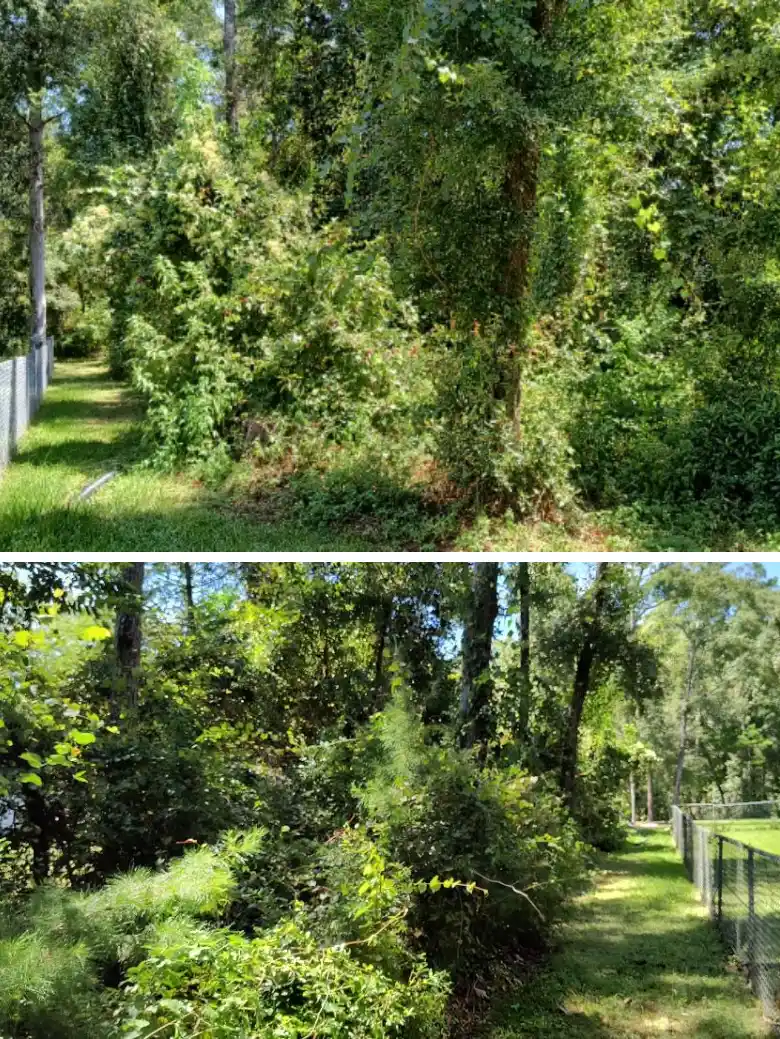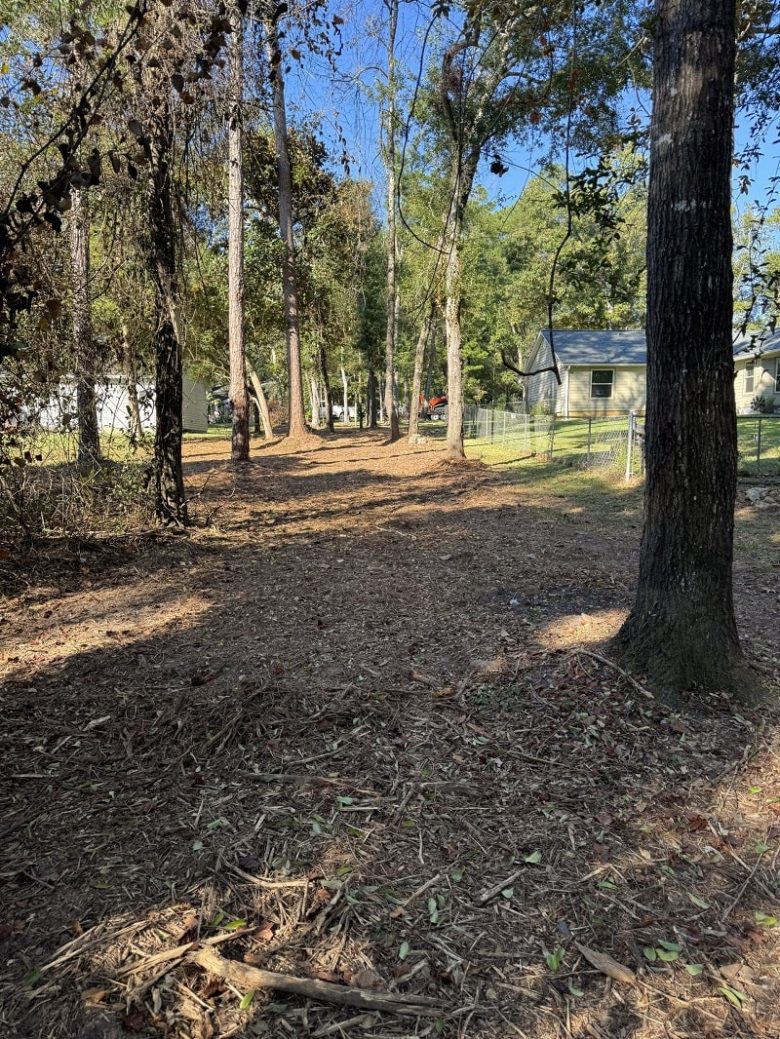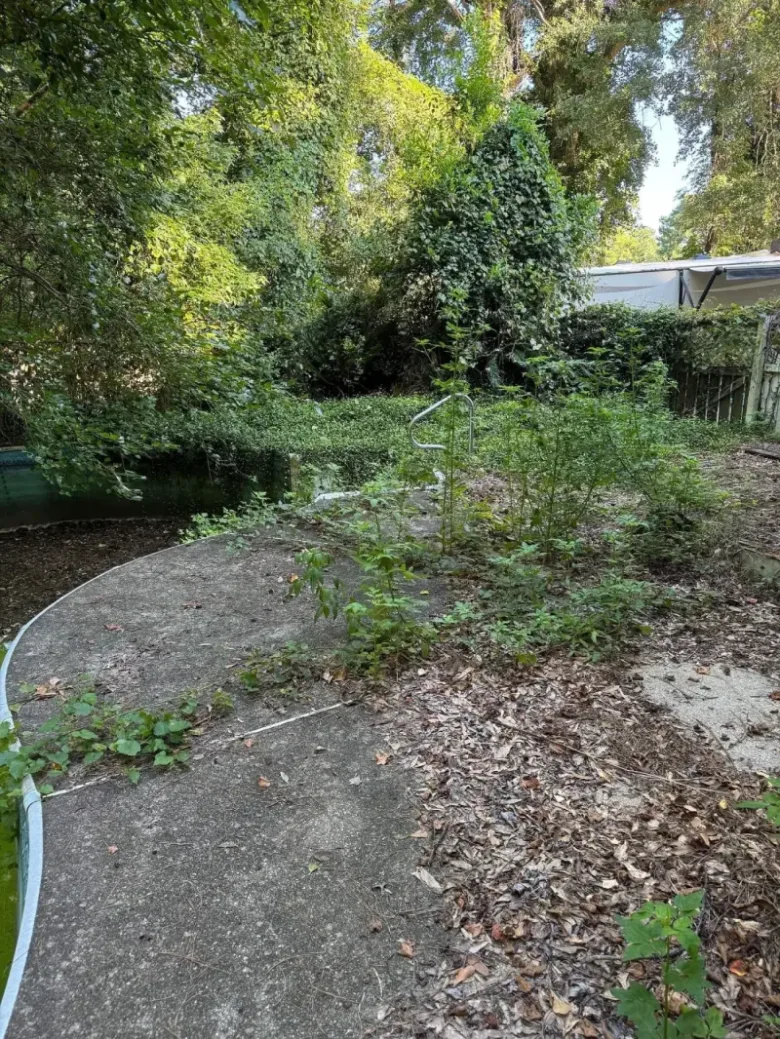
Land clearing is a vital process that sets the stage for successful development, whether you are planning to build a home, start an agricultural venture, or undertake commercial projects. The need for land clearing in Tallahassee Florida and surrounding areas like Quincy is on the rise, driven by rapid urban sprawl, booming construction, and expanded farming operations. But not all land is created equal as each parcel has its own topography, vegetation density, and soil conditions. This means that the approach and the expertise required, which includes choosing the right land clearing contractor, can differ greatly based on the specific scenario.
In places like Tallahassee and Quincy, the local landscapes present both opportunities and challenges. Florida's climate promotes lush vegetation year-round, but that also means excessive underbrush, fast-growing trees, and dense foliage can quickly reclaim even the most carefully managed plot. In turn, property owners often find themselves grappling with invasive plants, uneven terrain, or stubborn tree roots. The goal is simply to transform an overgrown lot into a blank canvas ready for development; however, choosing the wrong land clearing method can cause more harm than good by damaging the delicate ecosystem, causing unnecessary erosion, or blowing the budget on unnecessary expenses.
Over the years, land clearing has evolved to include both traditional and innovative techniques, tailored to the specifics of each site. Land clearing contractors work closely with property owners in Tallahassee, Quincy, and across Northern Florida to determine not only the most effective method but also the most sustainable and regulatory-compliant way forward. These professionals evaluate factors such as the size and purpose of the land, environmental constraints, and future usage plans to recommend the most suitable approach.
Whether you are clearing acreage for cattle grazing, prepping a subdivision, or just want a backyard free of hazards and overgrowth, understanding the available land clearing methods is key. In this article, we will examine the seven most common ways land clearing is accomplished, discussing the pros, cons, and ideal use cases for each. We will also highlight how choosing the right land clearing contractor in Tallahassee Florida or nearby Quincy can make the entire process efficient, cost-effective, and environmentally sound. By the end, you will have a firm grasp of your options so you can confidently move from tangled wilderness to ready-to-build real estate.
The 7 Most Common Methods of Land Management
1. Bulldozing
Bulldozing is perhaps the most well-known method of land clearing and remains popular in Tallahassee and Quincy for its brute efficiency. This process uses heavy-duty equipment like bulldozers to push, uproot, and clear trees, stumps, and brush across large tracts. For sizable parcels covered in thick vegetation or trees, bulldozing offers speed and thoroughness that is hard to beat.
Pros:
- Rapid removal of debris on large sites.
- Suitable for commercial and agricultural development.
- Effective in clearing uneven terrain and removing large trees.
Cons:
- Can disturb soil structure and cause erosion.
- May require additional work to remove leftover stumps and roots.
- Not environmentally delicate, risking damage to soil and surrounding areas.
Best used for:
Large development projects or farmland preparation where preservation of specific vegetation is not a concern.
2. Excavation
Excavation is a precise land clearing method that involves removing trees, stumps, and large rocks using backhoes, excavators, or skid steers. This approach is especially useful in residential developments throughout Tallahassee Florida and is often employed by experienced land clearing contractors seeking to limit collateral damage to the property.
Pros:
- Offers greater control over which vegetation is removed.
- Minimal soil disturbance compared to bulldozing.
- Ideal for smaller plots with selective clearing needs.
Cons:
- Slower than bulk clearing methods.
- Can be costly, especially on larger sites.
- Not effective for clearing massive expanses in a short timeframe.
Best used for:
Residential lots, selective clearing, or projects requiring careful tree preservation.
3. Forestry Mulching
Forestry mulching is gaining popularity among eco-conscious property owners in Tallahassee and Quincy Florida. This method uses a specialized mulching machine to grind up trees, brush, and stumps on the spot, turning them into a nutrient-rich ground cover.
Pros:
- Environmentally sustainable as it creates mulch, prevents erosion, and nourishes soil.
- No need for burning or hauling debris off-site.
- Leaves behind an attractive, usable landscape cover.
Cons:
- Less effective with very large trees or heavy debris.
- Machines can be expensive or require specialized operators.
- Sometimes multiple passes are needed for thick growth.
Best used for:
Environmentally sensitive areas, wildlife habitats, or sites where erosion control and aesthetics matter.
4. Controlled Burning
Controlled or prescribed burning involves the deliberate, planned setting of fire to burn off underbrush, invasive species, and dead plant material. In Florida, especially Quincy and Tallahassee, this technique requires professional oversight and appropriate permits due to fire risk.
Pros:
- Highly efficient on large tracts of brush or grassland.
- Can improve soil quality and encourage new growth.
- Cost-effective for managing persistent underbrush.
Cons:
- Requires regulatory compliance and proper timing.
- Risk of fire escaping control.
- Not suitable for areas near homes or developments.
Best used for:
Large rural plots, pasture restoration, or controlled maintenance of forested lands.
5. Hand Clearing
Hand clearing is the old-school, low-impact approach involving chainsaws, axes, and manual labor to remove smaller trees, shrubs, and brush. Though labor-intensive, it is favored by land clearing contractors for precise, small-scale jobs.
Pros:
- Allows for selective removal with minimal environmental impact.
- Preserves desired vegetation or trees.
- Ideal for environmentally delicate projects.
Cons:
- Slow and physically demanding.
- Impractical for large sites or thick vegetation.
- Higher labor costs per acre.
Best used for:
Gardens, small residential plots, or sites with valuable flora to preserve.
6. Grubbing and Root Raking
Grubbing involves removing roots, stumps, and buried organic matter using specialized equipment. Root raking collects debris for removal or burning, leaving the soil clean and ready for construction.
Pros:
- Thorough, removes hidden roots that could interfere with grading or building.
- Prepares land for immediate use.
- Commonly used by experienced land clearing contractors in Tallahassee and Quincy.
Cons:
- Equipment-heavy and can disturb the soil.
- May require follow-up grading.
- Time-consuming for large tracts.
Best used for:
Construction prep, laying foundations, or prepping pastureland for new crops.
7. Chemical Clearing
Chemical land clearing methods use approved herbicides to kill unwanted plants and invasive species, often as a supplement to mechanical clearing. Proper application by a certified professional provides minimal off-target damage.
Pros:
- Effective for controlling the regrowth of unwanted plants.
- Useful in areas where machines cannot reach.
- Can complement other methods for long-term maintenance.
Cons:
- May have an environmental impact if misapplied.
- Must comply with state and local regulations.
- Longer timeline before the land is ready for use.
Best used for:
Invasive plant control, site maintenance, or inaccessible terrain.
How to Choose the Right Land Management Method
Choosing the optimal land clearing method in Tallahassee or Quincy is not as simple as picking what looks easiest. Consider the following factors:
- Project size and timeline: Large development plots may benefit from bulldozing or controlled burning, while residential sites often need excavation or mulching.
- Site conditions: Dense underbrush and tree stumps call for mulching or grubbing, while wet, sensitive terrain demands a light touch such as hand clearing.
- Environmental regulations: Local and state guidelines might restrict certain techniques or dictate buffer zones around wetlands and protected areas.
- Budget: Some methods require more labor or specialized machinery, which can impact costs.
- End use: The intended purpose of the cleared land shapes the best approach, whether it is for agriculture, construction, or habitat restoration.
Consulting with a trusted land clearing contractor in Tallahassee or Quincy is crucial. These professionals bring local knowledge, regulatory familiarity, and the latest equipment to the table, so that your project is completed safely, efficiently, and within budget.
Conclusion
Land clearing is a foundational step for any new development project in Tallahassee Florida, Quincy, or the broader Northern Florida area. With options ranging from bulldozing to forestry mulching and from controlled burns to chemical solutions, each method offers unique advantages and potential drawbacks. The key is to weigh your land's specific needs against environmental concerns, regulatory standards, and your overall project goals.
Partnering with a knowledgeable land clearing contractor is often the smartest move you can make. It allows you to get the right method for your property, completed safely and compliant with all local, state, and federal guidelines. Plus, a skilled professional can help you navigate potential hurdles, minimize costs, and reduce your environmental footprint.
As urban and rural development continues to surge in Tallahassee and Quincy Florida, understanding your land clearing options helps you make sound, future-focused decisions. Whether you are preparing land for a new home, revitalizing pasture, or breaking ground on your next big project, informed choices today lay the groundwork for tomorrow's success.
Ready to clear the way for your next venture? Reach out to an experienced land clearing contractor in your area and start your journey toward a cleaner, greener, and more productive property!
Key Takeaways
- Assess Land Conditions First: Before choosing a clearing method, evaluate the terrain, vegetation type, and end-use requirements. This provides efficiency and avoids unnecessary damage or expense.
- Bulldozing for Big Jobs: When you need to clear large tracts quickly, bulldozing is a strong option. Just be mindful that this method can create soil disturbance, so follow up landscaping with soil stabilization.
- Excavation Suits Precision Work: For residential lots or properties with valuable trees, excavation offers controlled, selective clearing. It is especially good for sites where you need to preserve certain features.
- Forestry Mulching is Eco-Conscious: If environmental responsibility matters to you, choose forestry mulching. It recycles organic material, reduces soil erosion, and creates a tidier final appearance.
- Controlled Burns Manage Brush Effectively: When handled by professionals and with the proper permits, prescribed burns can address stubborn undergrowth on sizable rural properties. Always check local fire regulations.
- Hand Clearing is Delicate but Demanding: For sensitive landscapes or where selective clearing is required, hand clearing cannot be beaten; however, it becomes costly and slow for anything but small sites.
- Grubbing and Root Raking for Construction: When preparing a site for immediate construction or pasture planting, thorough removal of roots and stumps is essential. This prevents future obstacles and allows for a smooth building process.
- Chemical Methods Control Regrowth: In situations where regrowth is a significant concern or where mechanical options are limited, chemical clearing can provide long-lasting control when used safely and in compliance with regulations.
- Local Expertise Matters: Working with an experienced land clearing contractor in Tallahassee or Quincy brings local regulatory knowledge, the right equipment, and problem-solving skills, saving time and reducing headaches.
- Budgeting and Timing Go Hand-in-Hand: Some methods may seem faster but can cost more, especially when accounting for follow-up work. Discuss timelines and expenses with your contractor early for the best results.
- Environmental Protection Should Guide Decisions: Always consider wildlife, water sources, and adjacent habitats. Sustainable clearing methods not only support local ecosystems but can also improve future property value.
FAQs
1. What is land clearing and why is it important?
Land clearing is the process of removing trees, brush, stumps, and other obstacles to prepare land for development, farming, or other uses. It is crucial for making land accessible and usable and often improves property value.
2. Which land clearing method is best for residential lots in Tallahassee or Quincy Florida?
For smaller residential lots, excavation or forestry mulching is typically best. They offer precision, minimize soil disturbance, and allow selective clearing, making them ideal for maintaining valuable trees and shrubs.
3. How do I choose a reliable land clearing contractor in Quincy Florida?
Look for local experience, proper licensing and insurance, a strong safety record, and positive client reviews. Contractors familiar with Quincy's regulations and terrain can better handle your project's specifics.
4. How much does land clearing usually cost in Tallahassee or Quincy?
Costs vary based on land size, vegetation density, chosen method, and site accessibility. It is best to request quotes from several land clearing contractors to get an accurate estimate for your specific property.
5. Is burning allowed for land clearing in Northern Florida?
Controlled burning is allowed with proper permits and under specific conditions. Always consult local fire authorities and hire experienced professionals to have safe and legal operations.
6. What are the environmental considerations for land clearing in Florida?
You should always factor in wildlife habitats, proximity to wetlands, and soil erosion risks. Choosing eco-friendly methods like forestry mulching can help preserve the natural landscape and protect property value.
7. Can land clearing contractors help with permit applications?
Yes, reliable land clearing contractors in Tallahassee and Quincy are familiar with local permitting processes and can assist you in securing the necessary approvals for your project.
8. What is forestry mulching and why is it popular in Florida?
Forestry mulching grinds trees and brush into mulch right on-site. It is popular in Tallahassee and Quincy because it is efficient, minimizes debris hauling, and enhances soil health for future growth.
9. How long does it take to clear land for development?
Timelines depend on property size, vegetation density, and the chosen method. A few days may suffice for small lots, while larger or more challenging properties can take several weeks. Your contractor can provide a realistic schedule.
10. How do I maintain my property after land clearing?
Ongoing maintenance includes monitoring for invasive regrowth, periodic mowing or mulching, and applying targeted herbicides as needed. Work with your contractor to develop a customized maintenance plan for long-term results.