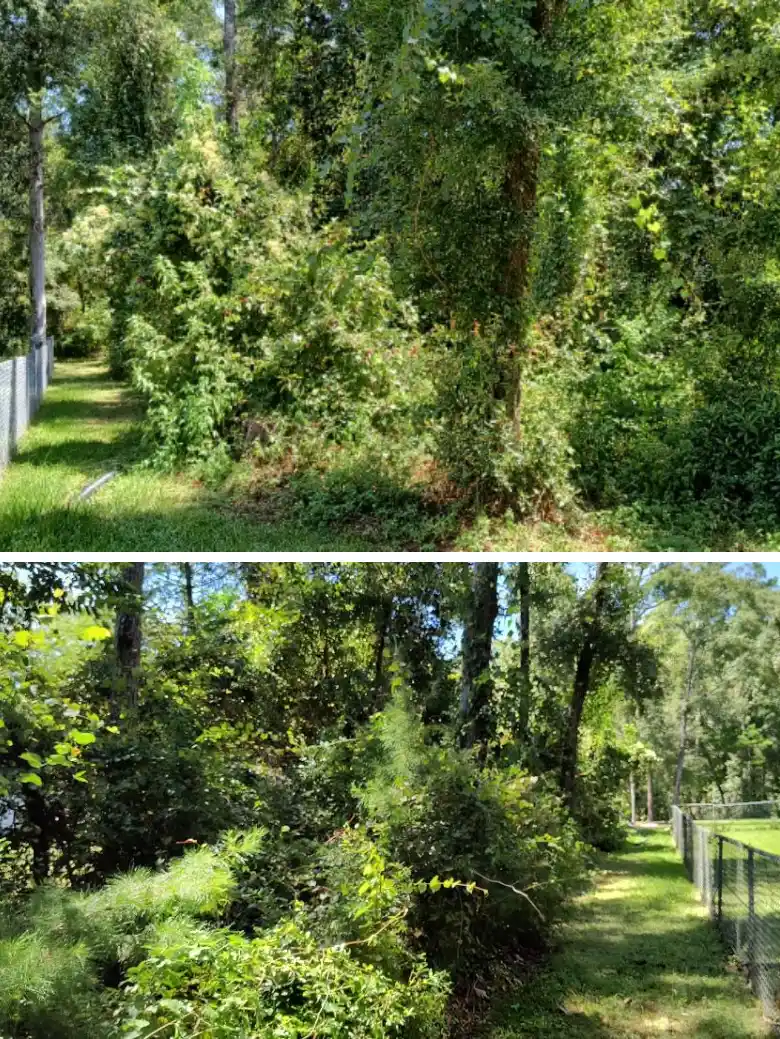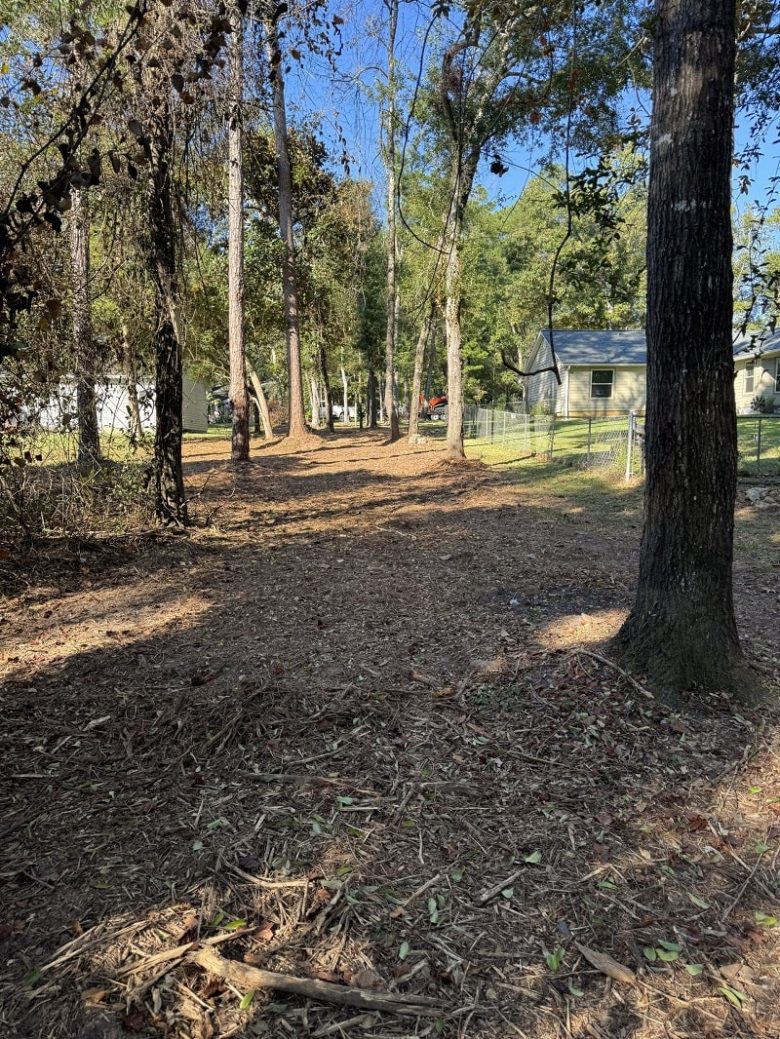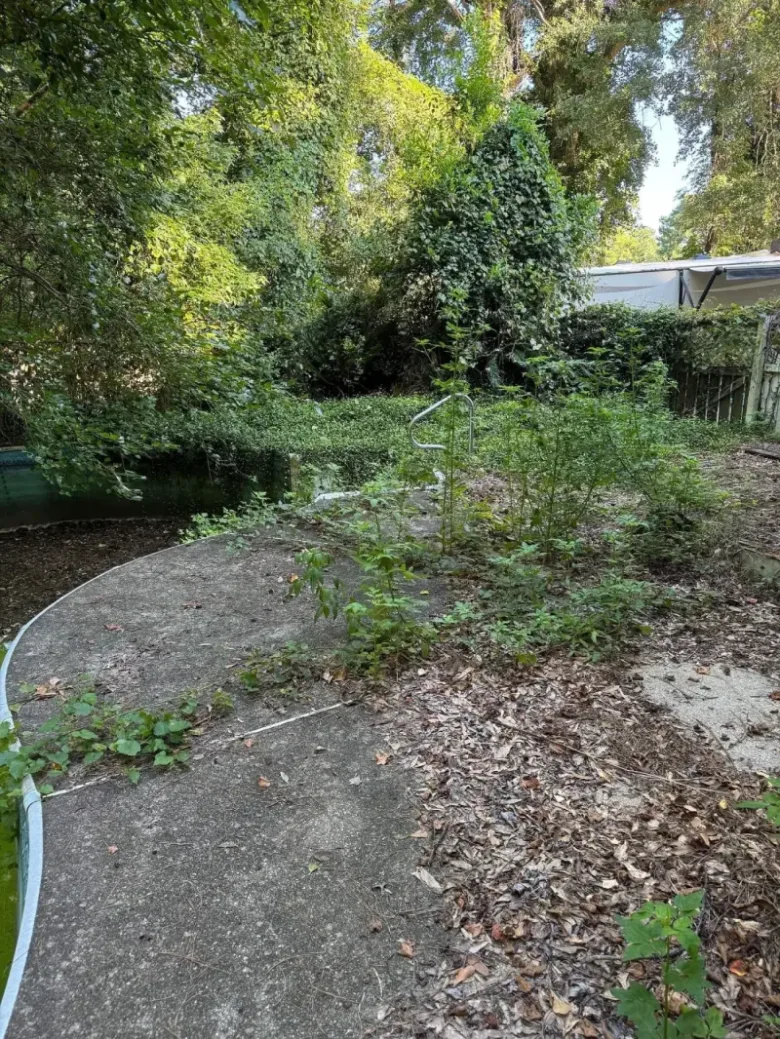
Clearing land is an essential first step in any major property transformation, whether you are planning to build a new home, install a garden, or launch a commercial development. In the vibrant heart of North Florida, cities like Tallahassee and Quincy are experiencing a surge in property enhancements and renovations, making land clearing a hot topic among property owners and developers alike. But before bringing in heavy machinery or hiring a land clearing contractor, it is crucial to understand everything that goes into preparing your property for this significant endeavor.
Getting your land ready for clearing more than just chopping down trees or uprooting bushes as it is a thoughtful, multi-step process that can dramatically impact the future of your property. From legal requirements to environmental considerations and from selecting the right contractor to budgeting for hidden costs, there is more to land clearing than meets the eye. If you are looking to prep your Tallahassee Florida property or perhaps you are based in nearby Quincy and wondering how local conditions might affect your plans, this comprehensive guide will set you on the path to a successful project.
In this article, we will look closely at the ins and outs of preparing for land clearing. We will break down what you need to know about permits and local regulations, how to evaluate your property's landscape, tactics for protecting wildlife habitats, and essential tips for choosing the best land clearing contractor. Whether you own a residential lot or a sprawling commercial site, getting informed is the best way to save time, money, and unnecessary headaches.
Understanding both the benefits and risks associated with land clearing projects is essential, especially in regions like Tallahassee and Quincy Florida, where natural beauty and regulatory frameworks go hand in hand. You will find practical, actionable insights throughout so that your property is not just ready for clearing but is primed for whatever comes next, be it construction, agricultural use, or just a more beautiful, functional outdoor space.
Let's take a detailed look at the best practices, must-know tips, and common pitfalls of prepping your land for clearing so that you can move forward with confidence, efficiency, and peace of mind.
The Basics: What Is Land Management and Why Does It Matter?
Land clearing involves preparing a parcel of raw land by removing trees, bushes, stumps, rocks, and other obstructions for building, agriculture, gardening, or other uses. It is a foundational step in any property development and affects everything from soil health and drainage to safety and property value.
A successful land clearing project in Tallahassee Florida requires attention to the property's unique terrain, local flora and fauna, and climate conditions. It is not a one-size-fits-all operation; a plan that works for a flat, sandy lot in Quincy might not suit a hilly, wooded area on the outskirts of Tallahassee. That is why local expertise is so critical.
Key Benefits of Proper Land Management
- Facilitates Safe Construction: Sees that your building site is free of hazards and provides a solid starting point.
- Reduces Fire Risk: Overgrown vegetation can be a fire hazard, especially in Florida's dry seasons.
- Improves Land Use: Frees up space for agriculture, landscaping, or other utilization.
- Enhances Property Value: Well-maintained land appeals more to buyers and can command a higher resale price.
Typical Challenges in the Tallahassee and Quincy Regions
- Thick Vegetation: North Florida is known for its dense tree cover and brush, which require specialized equipment.
- Wetlands and Protected Areas: Many lots in this area may contain wetlands or sensitive habitats.
- Strict Regulations: Local laws strictly govern land clearing to protect the environment and permits are often required.
- Weather Conditions: The subtropical climate can make timing crucial; working during the rainy season may present difficulties.
Step-by-Step Guide to Prepping Your Tallahassee Property for Land Management
Prepping your land is not just about rolling in with a bulldozer. Here is how to get your property ready while saving yourself stress and potential legal trouble.
1. Assess Your Land: Walk and Document
Before bringing in a land clearing contractor, physically walk your property. Take notes on:
- Vegetation Types: Identify large trees, invasive species, and valuable plants.
- Topography: Look for slopes, high and low spots, or signs of erosion.
- Existing Structures: Note any fences, sheds, utility lines, or old foundations.
- Boundaries: Confirm property lines as mistakes can lead to legal disputes.
Take photos and mark up maps. Having a visual record is useful for discussions with professionals and keeping track of changes.
2. Check Local Regulations and Get Permits
Both Tallahassee and Quincy have specific ordinances regarding land clearing. These rules serve vital ecological and community interests, such as:
- Tree Protection Ordinances: Some native species cannot be removed without permits.
- Wetlands and Buffer Zones: Clearing near wetlands or waterways may be restricted or require special permissions.
- Grading Permits: Changing the land's slope or draining water often requires approval.
Failure to comply can result in hefty fines or even a halt to your project. Check with the local planning office or consult with a land clearing contractor experienced in Tallahassee and Quincy, Florida to navigate these requirements smoothly.
3. Create an Executable Land Management Plan
Develop a step-by-step plan for the project. Your plan should include:
- Areas to Clear: Prioritize development areas first.
- Vegetation to Preserve: Mark any trees or plants to keep.
- Erosion Control Measures: Plan silt fences or straw wattles, especially on sloped sites.
- Waste Management: Decide how debris will be disposed of that might include burning, hauling, chipping, or composting.
A clear plan saves time and helps contractors provide accurate quotes.
4. Budget for the Project
The cost of land clearing varies significantly depending on:
- Acreage: Larger lots cost more, but per-acre rates may decrease.
- Vegetation Density: Thick brush or large trees increase costs.
- Accessibility: Remote or hard-to-reach sites are more expensive to improve.
- Special Requirements: Handling protected species, stumps, or rocky soil increases the price.
Do not forget to include permit fees, potential remediation costs, and post-clearing site improvements.
5. Choose the Right Land Management Contractor
Selecting a skilled land clearing contractor is critical for a safe, compliant, and efficient job. In Tallahassee and Quincy, look for contractors who:
- Have Local Experience: Knowledge of area regulations and common site challenges.
- Are Licensed and Insured: Minimizes your liability.
- Use Modern Equipment: Provides efficiency and safety.
- Offer Eco-Friendly Solutions: Such as selective clearing or mulching techniques.
Always ask for references and detailed quotes. Good communication is a hallmark of a reputable contractor.
6. Protect Wildlife and the Environment
North Florida is rich in wildlife, from gopher tortoises to migratory birds. Ethical land clearing should consider:
- Timing: Avoid clearing during nesting or breeding seasons.
- Relocation: Work with local agencies to relocate protected species if needed.
- Erosion Prevention: Install silt barriers to prevent runoff from entering waterways.
Balancing development and conservation means your project will not have unintended ecological consequences.
7. Prepare for the Clearing Process
Before the contractor arrives:
- Mark Boundaries and No-Go Zones: Use flags or paint to designate sensitive areas.
- Inform Neighbors: They will appreciate knowing about noise, dust, or temporary access issues.
- Remove Personal Property: Take out cars, equipment, or valuables.
- Arrange Utilities: Move or flag underground lines; call 811 to locate utilities.
Preparation reduces job-site confusion and keeps everyone safe.
Navigating Challenges and Maximizing Success
Even with solid preparation, land clearing in Tallahassee and Quincy comes with a unique set of considerations. Here is how to deal with common obstacles:
Dealing with Wet Weather
Florida's rainfall can quickly stall projects. Wet soil leads to rutting, erosion, and equipment getting stuck. Plan to clear land during drier seasons or allow for weather delays in your timeline.
Managing Waste Responsibly
Land clearing generates huge amounts of debris. Options include:
- Mulching: Leaves organic matter on-site, improving soil health.
- Hauling: Debris removal for landfill or recycling.
- Burning: Often restricted; check local fire ordinances first.
Discuss options with your contractor to find an approach that balances cost, convenience, and regulatory compliance.
Restoration and Site Improvement
After clearing, further steps may include:
- Grading: Leveling the land to direct drainage and prep for building.
- Erosion Control: Installing grass, ground cover, or retaining walls.
- Soil Testing: Necessary for construction or agriculture.
- Tree Planting: For landscaping value and sustainability.
Confirm that the cleared land is visually appealing, resilient, and ready for its next chapter.
Conclusion
Preparing your property in Tallahassee Florida or neighboring Quincy for land clearing is a detailed process that involves more than just removing trees and brush. It requires careful planning, compliance with local regulations, respect for the environment, and the selection of a reliable land clearing contractor. From walking and assessing your property to protecting local wildlife and budgeting for every stage, these preparatory steps set the foundation for a successful clearing project and for whatever comes next for your property.
Land clearing is an investment in your land's future potential. By approaching the preparation phase mindfully and leveraging local expertise, you can avoid common pitfalls, streamline the clearing process, and add long-term value to your real estate. Whether your goal is a new construction project, agricultural expansion, or simply enhancing your outdoor space, the right groundwork will pay dividends for years to come.
If you are ready to move forward with clearing your Tallahassee or Quincy Florida property, connect with experienced local contractors who can guide you through the process and help you achieve your vision. Your dream property is closer than you think, so start prepping today!
Key Takeaways
- Start with a Thorough Site Assessment: Walking your property lets you identify unique features, obstacles, and opportunities, setting the stage for a tailored land clearing approach.
- Understand and Secure Required Permits: Both Tallahassee and Quincy strictly enforce land clearing and environmental regulations. Failure to comply can halt your project and result in costly penalties, so always consult your city or county offices and secure the appropriate permits before starting.
- Prioritize Environmental Stewardship: Responsible land clearing means protecting existing wildlife, avoiding unnecessary deforestation, and implementing erosion control measures to keep the ecosystem healthy.
- Develop a Detailed Clearing Plan: Outline which areas to clear and which to preserve, how to handle waste, and your desired end result. A solid plan helps you communicate effectively with your land clearing contractor and avoid misunderstandings.
- Choose a Qualified Land Management Contractor: Look for pros with strong local experience, up-to-date equipment, proper licensing, and positive reviews from past clients. This provides compliance, efficiency, and high-quality work.
- Budget for the Unexpected: Beyond the basic clearing cost, factor in potential surprises like hidden stumps, rocky terrain, extra debris disposal, or weather-related delays. A contingency fund can save the day.
- Engage in Responsible Debris Management: Select environmentally friendly, compliant disposal methods, such as mulching, chipping, or licensed hauling.
- Prepare for Weather and Seasonal Factors: North Florida's climate can impact project schedules. Planning around the rainy season helps avoid costly delays and site issues.
- Think Beyond Clearing: After the initial clearing, consider investments such as grading, landscaping, or replanting with native species to maximize your property's value and usability.
- Communicate Regularly with Stakeholders: Keep your contractor, neighbors, and local authorities informed about your plans, timelines, and any changes. Transparency builds goodwill and prevents misunderstandings.
FAQs
1. What is land clearing, and why is it important in Tallahassee Florida?
Land clearing involves removing trees, brush, and obstacles to prepare your land for building, landscaping, or agricultural use. In Tallahassee, proper land clearing offers safe construction, protects property value, and complies with local environmental regulations.
2. Do I need a permit to clear land in Tallahassee or Quincy Florida?
Yes, both Tallahassee and Quincy require permits for most land clearing activities, especially when removing protected trees or working near wetlands. Always check with local authorities before starting.
3. How do I choose the best land clearing contractor?
Look for local experience, proper licensing and insurance, eco-friendly clearing practices, and strong references. Contractors familiar with Tallahassee and Quincy regulations will deliver a smooth project.
4. Can I clear my land myself or should I hire a professional?
While small projects may be manageable on your own, hiring a professional land clearing contractor is recommended for larger or more complex jobs. Pros have the equipment, skills, and knowledge to handle permits and minimize environmental impact.
5. How much does land clearing cost in Tallahassee or Quincy?
Costs vary widely based on acreage, vegetation density, accessibility, and disposal requirements. Get several quotes and budget for unexpected expenses, such as permit fees or debris removal.
6. What should I do with the debris from land clearing?
Options include mulching on-site, hauling to a landfill or recycling facility, or burning if permitted. Discuss the best, most legal, and environmentally friendly option with your contractor.
7. How can I protect wildlife during land clearing?
Schedule clearing outside of breeding seasons, use selective clearing methods, and coordinate with local wildlife agencies if protected species are present on your property.
8. What are the environmental risks of improper land clearing?
Improper land clearing can cause soil erosion, water pollution, loss of wildlife habitat, and lead to legal trouble. Always follow best practices for erosion control and environmental protection.
9. How long does a typical land clearing project take?
Project duration depends on property size, vegetation density, weather, and permit approval times. Most residential lots in Tallahassee or Quincy can be cleared in a few days to two weeks; larger tracts may take longer.
10. What should I do after the land has been cleared?
Consider grading the land, implementing erosion control measures, planting grass or native plants, or starting construction or landscaping projects in accordance with your site plan.