Exploring Mulching Company in The Florida Panhandle?
EZ Acre is a land services business that does mulching work in The Florida Panhandle.
Ring 850-787-9300 to go over the size of the area and the kind of vegetation.
One Word, Several Kinds of Work
Mulching can mean cutting standing growth into chips or laying a cover of material over exposed ground, and each has its own equipment, its own purpose, and its own best season. Covered soil loses less water to the sun and the wind, and it helps new grass and new plants get established.
Most people who search for Mulching Company have brush or bare ground that needs attention, and the question left is which method suits the property.
Clearing With a Mulching Head
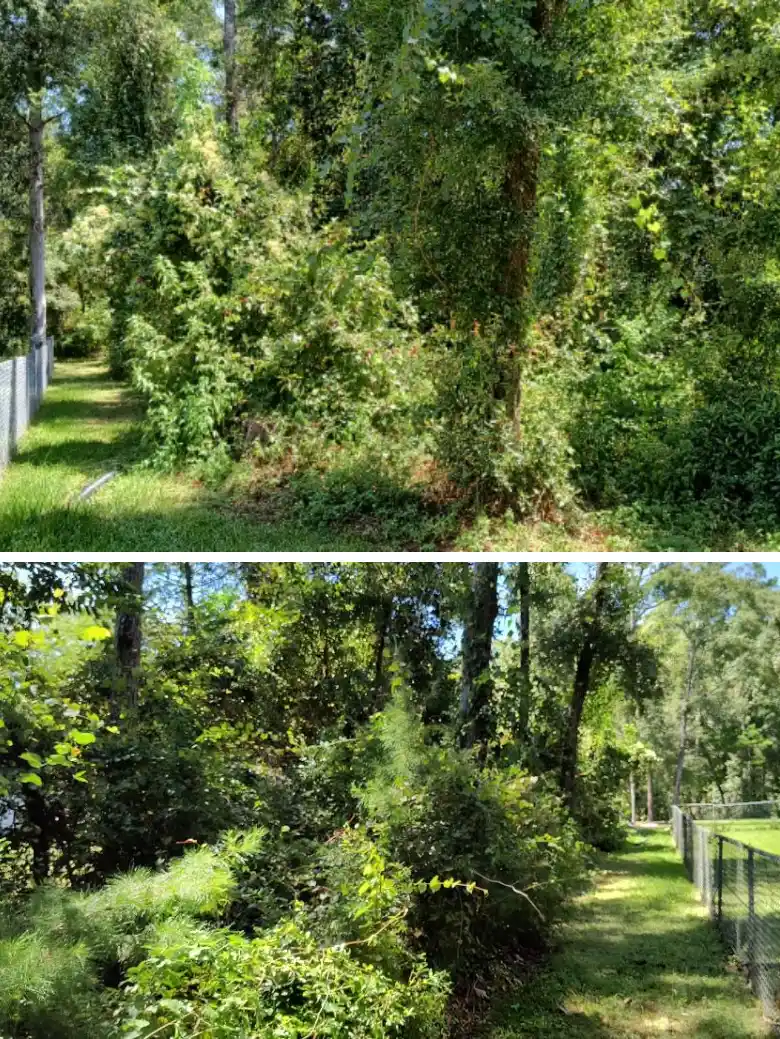
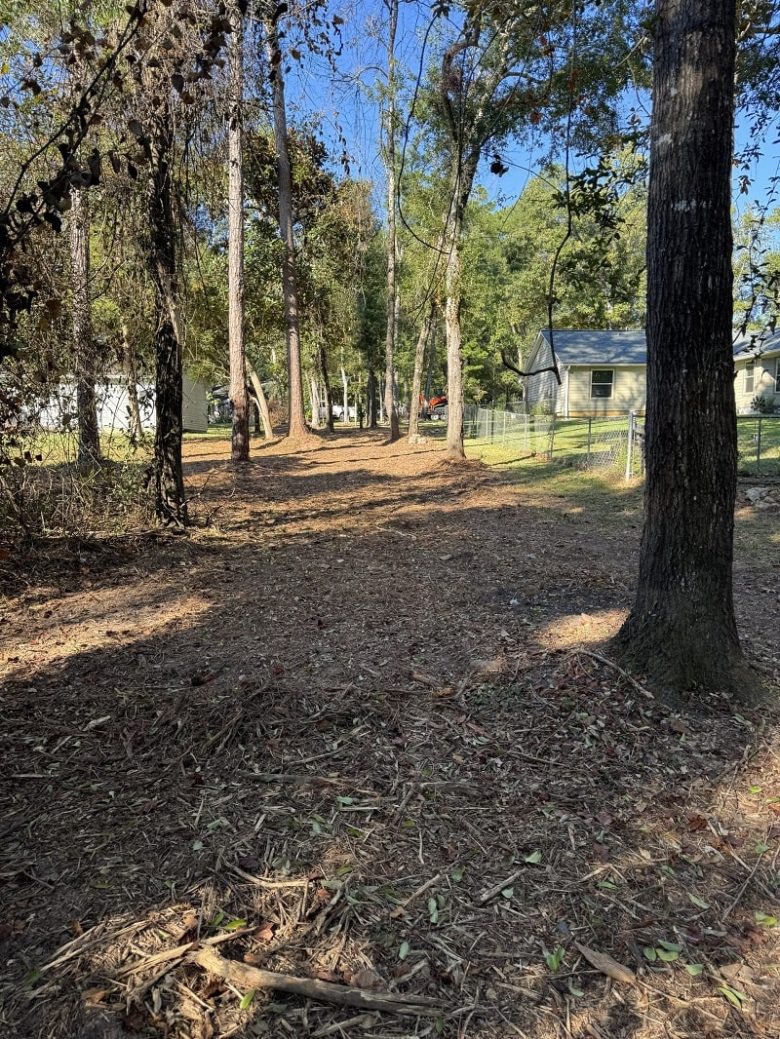
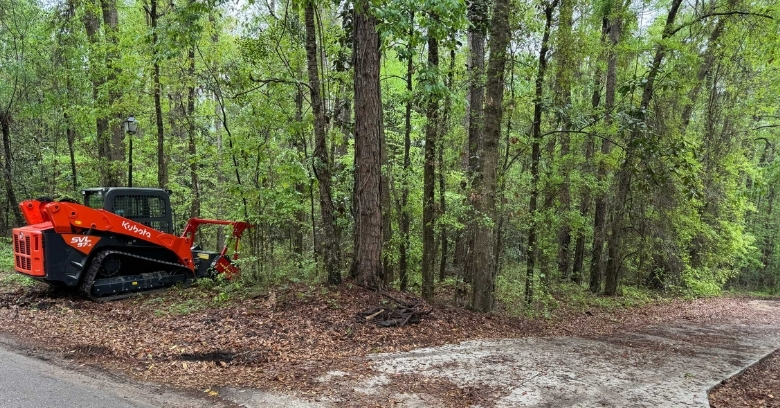
Forestry mulching uses a machine with a rotating drum of teeth that grinds trees and brush into chips, and it works on thick brush, vines, palmetto, and small to medium trees. Forestry mulching disturbs the soil less than pushing and piling does, and the mulch layer protects the surface from the next rain.
The diameter of the trees is a key detail in planning a mulching job, and a walk through the land before the work marks what stays. Mulching leaves a layer of chips that can be several inches deep, and the chips can be left as they are on wild land.
Hydraulic Mulching
Hydraulic mulching sprays a slurry of water, mulch fibers, and often seed onto bare ground, and it is used on slopes, new lawns, roadsides, and freshly graded sites. Disturbed ground is vulnerable until grass grows in, and a quick covering reduces the sediment that reaches ditches and ponds.
Hydraulic mulching depends on weather, water, and the right mix, and slopes may need an extra layer or a stronger binder. Grass types vary in how well they handle sun, shade, and sandy ground, and some sites need a second application.
Keeping Organic Matter on the Property
Using the vegetation that was cut as mulch closes the loop on the clearing job, and the mulch layer shelters the soil from sun and rain. Land close to water calls for methods that keep soil in place, and a careful crew will mark the line it will not cross.
Wood-based mulch is both attractive and useful around plants, and mulch should not be piled against trunks or house walls. Fresh chips are best left to age a while before they are placed near delicate plants, and extra chips can be stacked for later use.
What Shows Up on a Mulching Job
Different machines suit different terrain and different density of growth, and operators can work close to structures and fences with the right setup. Hydraulic mulching uses a trailer or truck with a mixing tank and a spray gun, and operators work in passes to cover the area evenly.
The area around a working mulcher is no place for spectators, and the crew checks the ground for hidden objects before the cut. Rocks, old fence wire, buried metal, and stumps are risks for any mulching head, and marking the hazards before work begins is a good habit.
Ground and Weather Around The Florida Panhandle
The soil in many parts of this region is thin and sandy and suffers in dry spells, and mulching can help new lawns and trees get a start. Daily thunderstorms can interrupt outdoor work and soften the ground, and hydraulic mulching must be timed between rains.
Storm damage often leaves fallen trees and tangled brush that need to be cleared, and a mulched lot is easier to inspect for damage. Dense brush can also feed wildfires in dry seasons, and a mulched property can be easier to protect.
What Is Left Behind and How It Behaves
After the trunk is ground, the stump and roots stay in the soil to decay, and the owner should decide whether the stumps can stay or must be ground out. On hills and banks, intact roots are the reason mulching is preferred to scraping, and bare patches can be covered by hydraulic mulch if needed.
Mulch from a field machine is rougher than the bagged mulch sold for flower beds, and the rough texture makes the layer stay in place. Piling chips deeply against trees or buildings invites rot and pests, and a light pass with a rake or box blade levels the surface.
Keeping a Mulched Property in Shape
The dry months are the most dependable time for heavy mulching equipment, and new seed needs rain after the application, but not a flood. Regrowth is normal and does not mean the first pass was wasted, and the owner may choose a yearly visit.
Mulch is not permanent, and part of its value is that it decays into the soil, and thin patches show up first near edges and on slopes. Local fire rules sometimes limit the amount of mulch near buildings, and chips are better used farther out on the property.
Which Type of Mulching Fits Your Land
When the goal is to clear and leave the chips behind, forestry mulching does both at once, and exposed ground that must be seeded and held in place is the target of the hydraulic type. A property may be cleared by mulching and then seeded with a hydraulic application, and a single conversation can settle the whole sequence.
Ordinary landscape mulching is the choice when the goal is to protect plants and beds, and a thin edge along the lawn keeps the bed neat. Asking the right question at the start saves time, and the conversation goes fastest when the goal is clear.
Wildlife, Nesting, and Care on Wooded Land
Habitat is part of every parcel of untended land, and a walk through the area before the cut shows many of the signs. Timing the work outside the peak nesting period reduces harm to wildlife, and the mulcher should be stopped if a nest is found.
Preparing for a Mulching Job
The first step in any mulching job is knowing exactly where it starts and stops, and it helps to know where utilities, wells, and septic fields are located. Make sure everyone knows what is included in the work and what is not, and changes are easier to handle on paper than in the field.
Everything above comes down to one decision, and Mulching Company in The Florida Panhandle is where you make it, and a call usually settles the rest.
Reach us at 850-787-9300 to talk about mulching your land.