

Exploring Mulching in The Florida Panhandle?
EZ Acre is a land services business that does mulching work in The Florida Panhandle.
Ring 850-787-9300 to go over the size of the area and the kind of vegetation.
Mulch as a Way to Clear and Protect
Mulching can mean cutting standing growth into chips or laying a cover of material over exposed ground, and the three most common kinds are forestry mulching, hydraulic mulching, and ordinary bed mulching. Mulch works by covering the ground so that water stays in and weeds stay out, and it can keep a property looking tidy for a long time.
Most people who search for Mulching have brush or bare ground that needs attention, and the rest of this page explains the main types and the details that matter.
Mulching as a Clearing Method
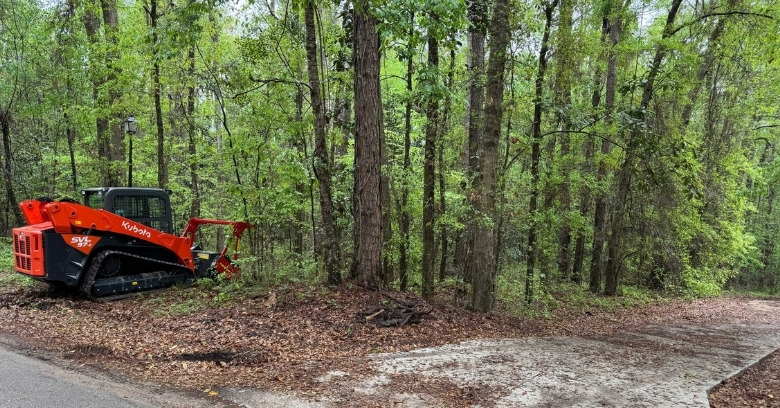
The mulching head spins at high speed and reduces brush, saplings, and even sizable trees to chips, and there are no burn piles to tend and no debris to haul. Leaving the ground largely intact is one of the main reasons owners choose mulching, and sandy soil stays in place better with the roots left in the ground.
Machines vary in power, and the thickness of the growth determines which one is needed, and the cutting head can be steered close to trees without harming them. Mulching leaves a layer of chips that can be several inches deep, and the chips can be left as they are on wild land.
Spray-On Mulch Explained
The hydraulic method mixes water with mulch and a binder in a tank and sprays it across the soil, and the binder helps the mulch stay put through rain and wind. A slope stripped of vegetation can lose soil quickly in a heavy rain, and good timing matters, since a storm can arrive before the cover does.
A mix with seed needs enough moisture to sprout, so the season matters, and a good schedule fits the application between storms. Seed that suits the soil and the sun grows into a lasting cover, and new grass needs time before it can take foot traffic.
Mulching With the Soil in Mind
Grinding growth into chips returns plant material to the soil as it decays, and the roots stay in the ground to hold the soil. Gentler methods suit land near wetlands, ponds, and wildlife habitat, and owners should ask about local rules before work begins.
Natural mulch has a long track record as a way to protect soil, and it needs to be refreshed as it breaks down. Using fresh chips from a clearing job as landscape mulch saves effort, and the supply is usually more than the property can use.
How a Mulching Job Gets Done
A tracked mulcher can work on soft ground that would stop a wheeled machine, and larger machines tackle big trees and large acreage. A hydroseeder is a tank on wheels with an agitator and a pump, and access to the site and a supply of water are part of the planning.
Operators and bystanders both face real hazards on a mulching job, and a clear buffer around the machine is standard. Old fencing and debris can be hidden by seasons of growth, and a careful survey saves equipment and prevents accidents.
Sandy Soil, Wet Seasons, and Storms Around The Florida Panhandle
Sand holds little water or nutrients, and mulch helps with both, and the benefit is greatest in the dry months. Summer here brings heat, humidity, and daily storms, and hydraulic mulching must be timed between rains.
Wind and flooding from a major storm can turn a tidy lot into a mess of debris, and crews are in high demand after a storm, and waiting times grow. Mulching reduces the thick tangle of dead and living growth that burns, and burn bans are common in dry spells.
After the Trees Are Cut
Stumps remain after mulching, usually cut low and often ground down as part of the pass, and building areas generally need stumps and large roots removed. A slope held by living and dead roots keeps its shape much better than bare soil, and the chip layer adds another layer of protection.
Mulch from a field machine is rougher than the bagged mulch sold for flower beds, and the rough texture makes the layer stay in place. The right depth depends on whether the owner wants to suppress growth or let seed sprout, and owners can ask for the layer to be spread evenly.
Scheduling Around the Weather
Dry weather lets the operator work safely and cleanly on most ground, and planting too late can leave bare ground exposed to the storms. Growth comes back quickly after mulching in a warm, wet climate, and a follow-up pass is part of the plan for many properties.
Wood chips decay, and the layer thins a little each season, and weeds that sprout through a thin layer are pulled early. Dry wood chips can burn, so thick mulch is best kept away from structures, and cigarette butts and sparks are risks in dry weather.
Choosing Between Mulching Types
If the land is covered in brush, vines, and small trees, a mulching head is the natural fit, and hydraulic mulching is the choice when the problem is bare soil that needs cover. Forestry work opens the ground, and the hydraulic spray then protects it, and a single conversation can settle the whole sequence.
Ordinary landscape mulching is the choice when the goal is to protect plants and beds, and a thin edge along the lawn keeps the bed neat. Asking the right question at the start saves time, and the conversation goes fastest when the goal is clear.
Checking for Wildlife Before the Cut
Brush that looks empty can be full of life, especially in spring and early summer, and local wildlife agencies publish guidance for property owners. Timing the work outside the peak nesting period reduces harm to wildlife, and responsible work treats the land as more than a pile of material.
Questions to Settle Before Work Begins
A clear boundary and a plan for the work area prevent disputes and mistakes, and a plan on paper keeps the crew and the owner on the same page. The details of access, permits, and disposal should be settled before the job starts, and the owner and the crew start with the same expectations.
With those questions answered, choosing among Mulching in The Florida Panhandle gets easier, and the next step is a conversation about your property.
Dial 850-787-9300 when you are ready to plan a mulching project.














