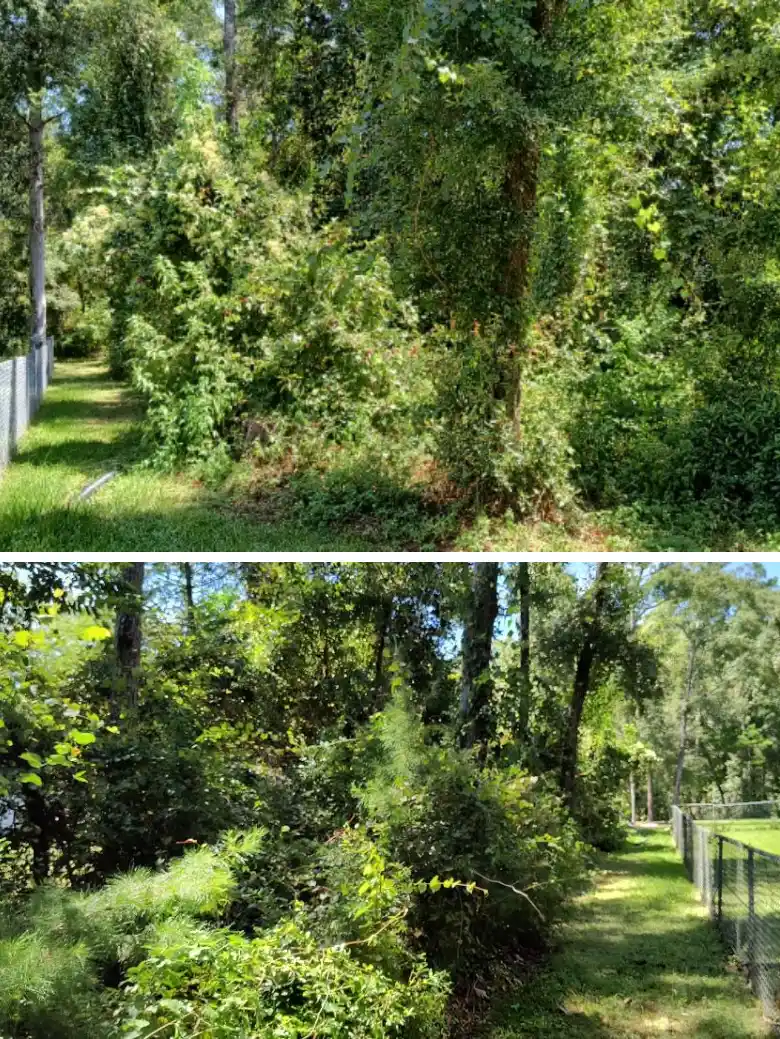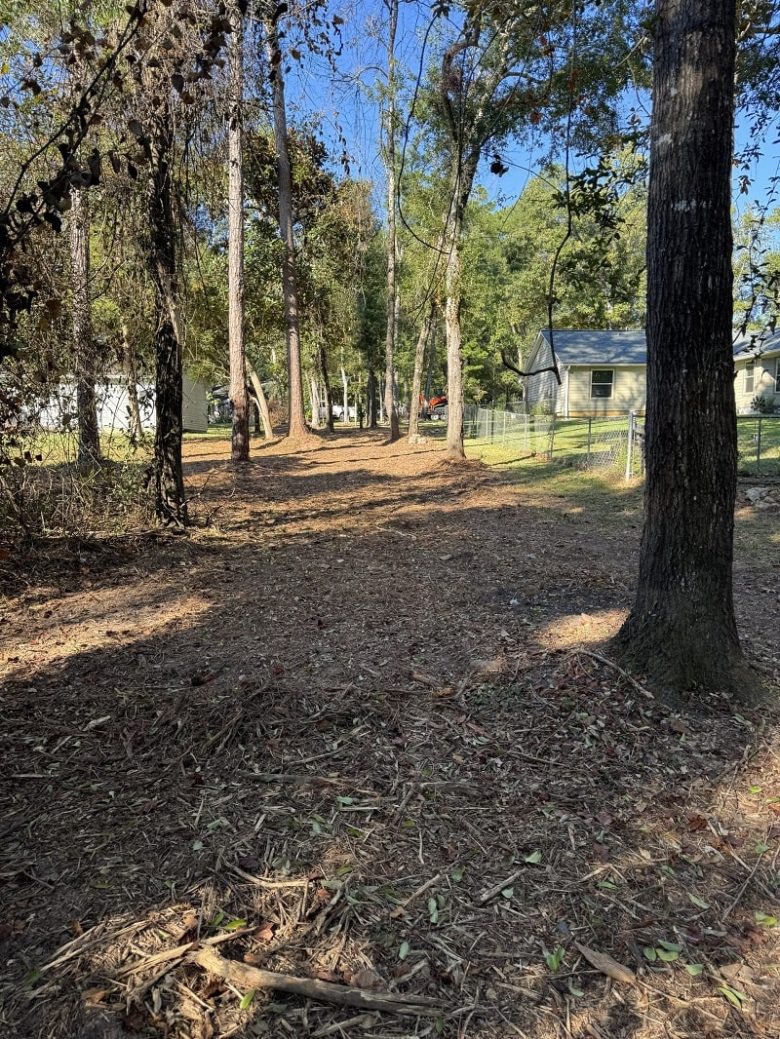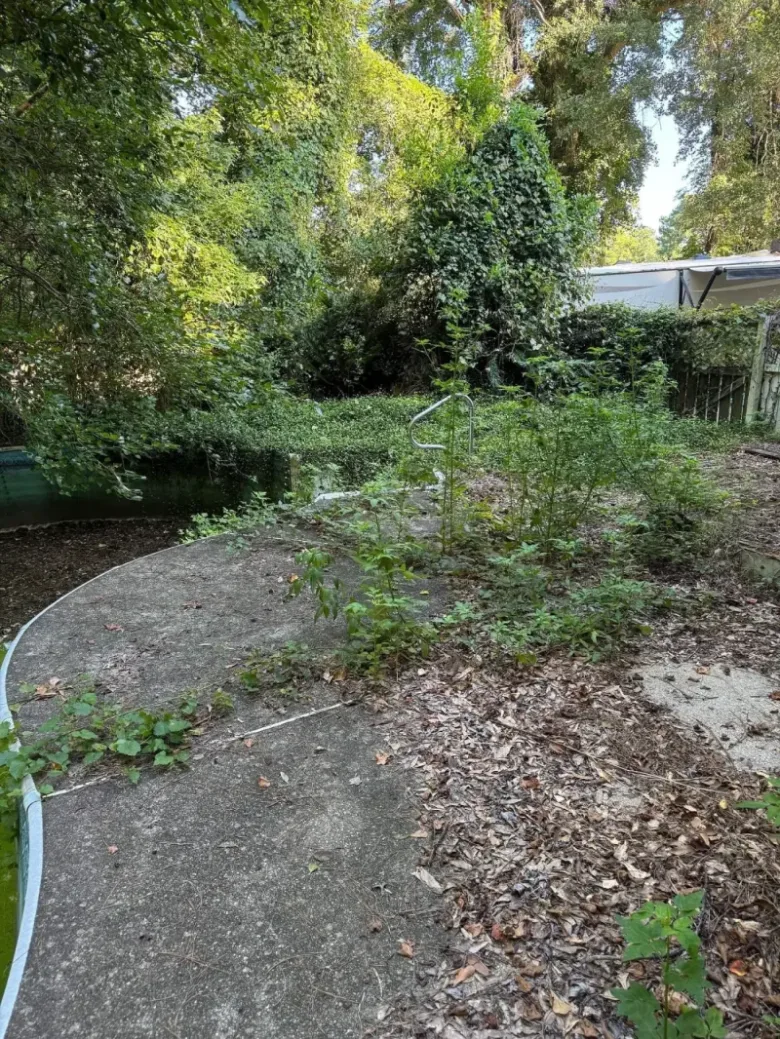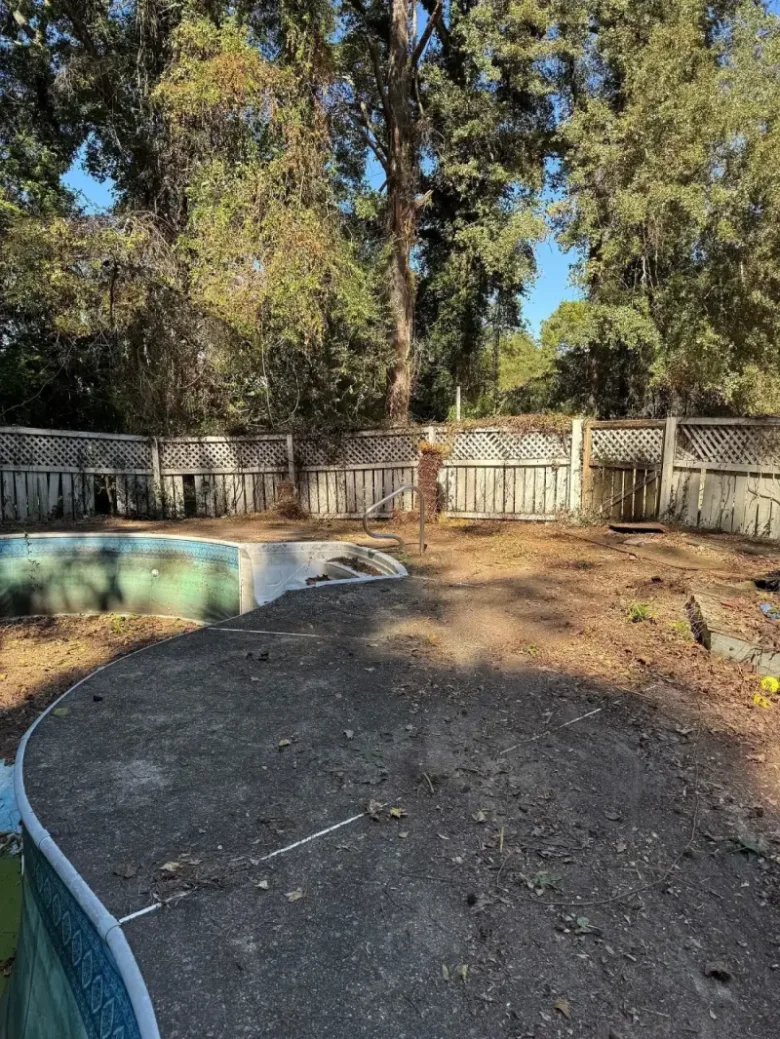
Exploring Mulching Contractor in The Florida Panhandle?
EZ Acre helps property owners in The Florida Panhandle turn brush and small trees into mulch.
Ring 850-787-9300 to ask how a mulching project like yours is usually handled.
One Word, Several Kinds of Work
A mulch layer is any covering of plant material that sits on top of the soil, and the three most common kinds are forestry mulching, hydraulic mulching, and ordinary bed mulching. Covered soil loses less water to the sun and the wind, and it also slows the washing away of soil in heavy rain.
That is the need behind many searches for Mulching Contractor, and a short conversation can sort out what the job calls for.
Mulching as a Clearing Method
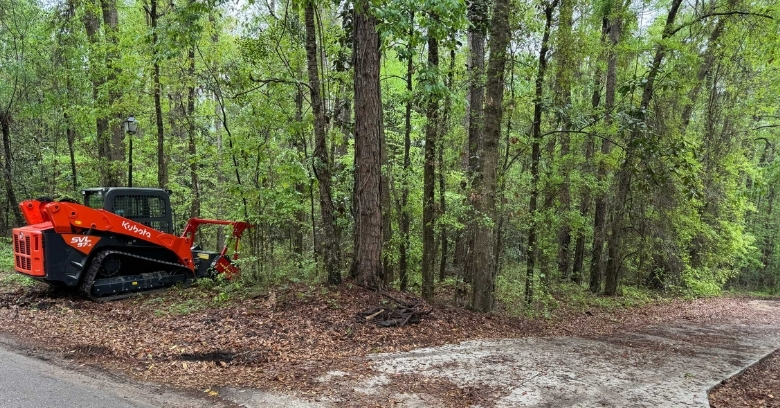
This method grinds standing vegetation into mulch without hauling any of it away, and the machine can reach places where a truck and chipper cannot. Leaving the ground largely intact is one of the main reasons owners choose mulching, and sandy soil stays in place better with the roots left in the ground.
Larger mulching heads can take trees many inches across, and smaller ones are meant for brush, and the cutting head can be steered close to trees without harming them. The depth of chips varies with the amount of growth that was cut, and new grass can be seeded through a thin layer.
Hydraulic Mulching
Hydromulch is a liquid mixture of paper or wood fiber, water, and tackifier that dries into a protective crust, and the method covers acres in a day where hand spreading would take weeks. A slope stripped of vegetation can lose soil quickly in a heavy rain, and a quick covering reduces the sediment that reaches ditches and ponds.
Planting season and rainfall both shape the timing of a spray job, and water must be available on site or hauled in. The mulch only protects the soil until the grass takes over, and owners should ask what seed is in the mix.
Eco-Friendly Mulching Practices
Mulch made from cleared brush stays on the land and feeds the soil over time, and the mulch layer shelters the soil from sun and rain. Care near water is a legal requirement in many cases, not only a preference, and clearing around water often needs special permission.
Natural mulch has a long track record as a way to protect soil, and it needs to be refreshed as it breaks down. Using fresh chips from a clearing job as landscape mulch saves effort, and owners often ask the crew to leave the chips where they are useful.
Choosing the Right Machine for the Growth
Forestry mulchers are mounted on skid steers, tracked carriers, or excavators, and rubber tracks spread the weight over wet or sandy ground. A hose reaches into slopes and corners where trucks cannot drive, and the machine must be able to reach the area it will spray.
Operators and bystanders both face real hazards on a mulching job, and a clear buffer around the machine is standard. Rocks, old fence wire, buried metal, and stumps are risks for any mulching head, and a careful survey saves equipment and prevents accidents.
Ground and Weather Around The Florida Panhandle
Much of the ground in this region is light, sandy, and low in organic matter, and a layer of mulch can make a real difference to new plantings. Daily thunderstorms can interrupt outdoor work and soften the ground, and machines can bog down in saturated ground, so dry spells are the best window.
Storm damage often leaves fallen trees and tangled brush that need to be cleared, and clearing weak trees and brush ahead of the season reduces what a storm can do. Mulching reduces the thick tangle of dead and living growth that burns, and a clear zone around buildings is a common recommendation.
Holding the Ground in Place
Stumps remain after mulching, usually cut low and often ground down as part of the pass, and pastures and wild land can usually live with low stumps. Roots that stay in the ground are the best natural defense against erosion, and steep ground still needs watching after the first heavy rain.
The mulch left by a forestry head is coarse, with a mix of bark, wood, and leaves, and aging in place lets the layer settle and mellow. Piling chips deeply against trees or buildings invites rot and pests, and it helps to check the depth near foundations and keep it thin there.
Keeping a Mulched Property in Shape
The dry months are the most dependable time for heavy mulching equipment, and new seed needs rain after the application, but not a flood. Regrowth is normal and does not mean the first pass was wasted, and a follow-up pass is part of the plan for many properties.
Mulch breaks down over time and needs topping up where a thick layer is wanted, and thin patches show up first near edges and on slopes. Homeowners in fire-prone areas are advised to use a noncombustible zone near the foundation, and it helps to ask local fire officials about the recommendations for the area.
Choosing Between Mulching Types
Forestry mulching is the choice when the problem is thick growth that has to come out, and the two methods often follow each other on the same property. Many projects use both methods in sequence, and a single conversation can settle the whole sequence.
Spreading wood chips or bark around trees and shrubs is the simplest and most familiar form of mulching, and it keeps roots cool, holds water, and slows weeds. Telling the crew whether the aim is clearing, cover, or decoration points to the right service, and talk about how much time you have for the work.
Wildlife, Nesting, and Care on Wooded Land
Thick brush shelters animals that nest, burrow, and hide in the growth, and a walk through the area before the cut shows many of the signs. Timing the work outside the peak nesting period reduces harm to wildlife, and a short survey of the land by a person who knows the area is useful.
Preparing for a Mulching Job
Flagging tape or stakes help define the limits of the work, and a plan on paper keeps the crew and the owner on the same page. Make sure everyone knows what is included in the work and what is not, and the schedule can be planned around approvals.
Once you know what you want covered or cleared, Mulching Contractor in The Florida Panhandle is a short list, and the details are quick to confirm.
Phone 850-787-9300 when you are ready to plan a mulching project.