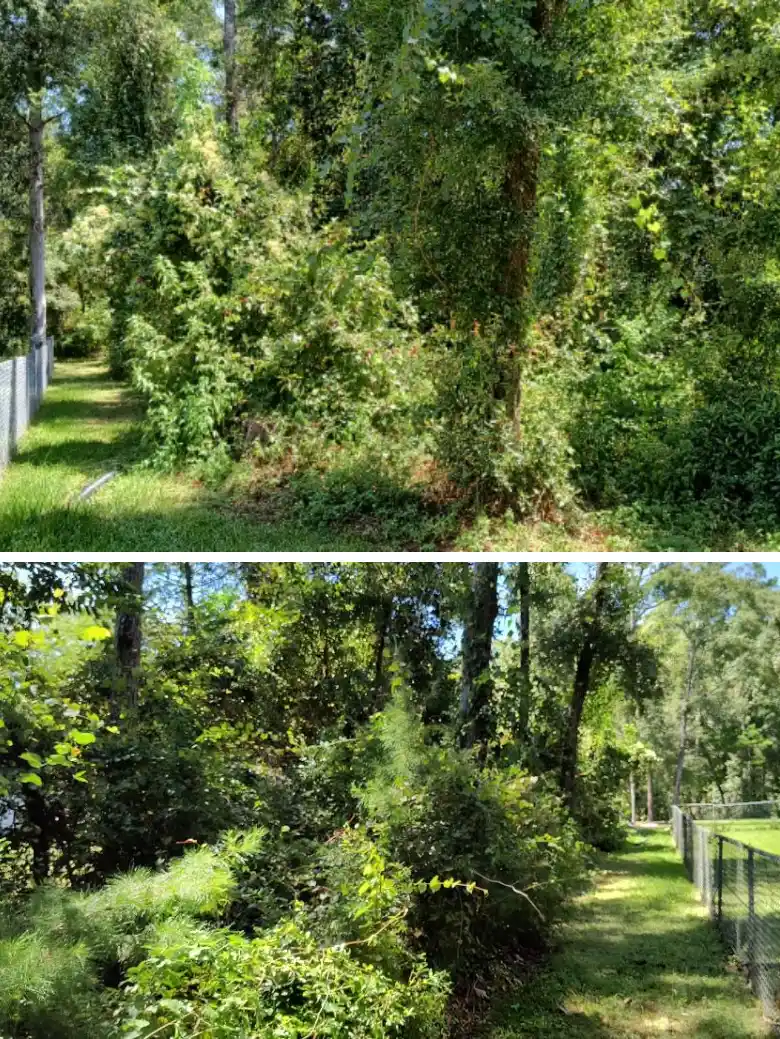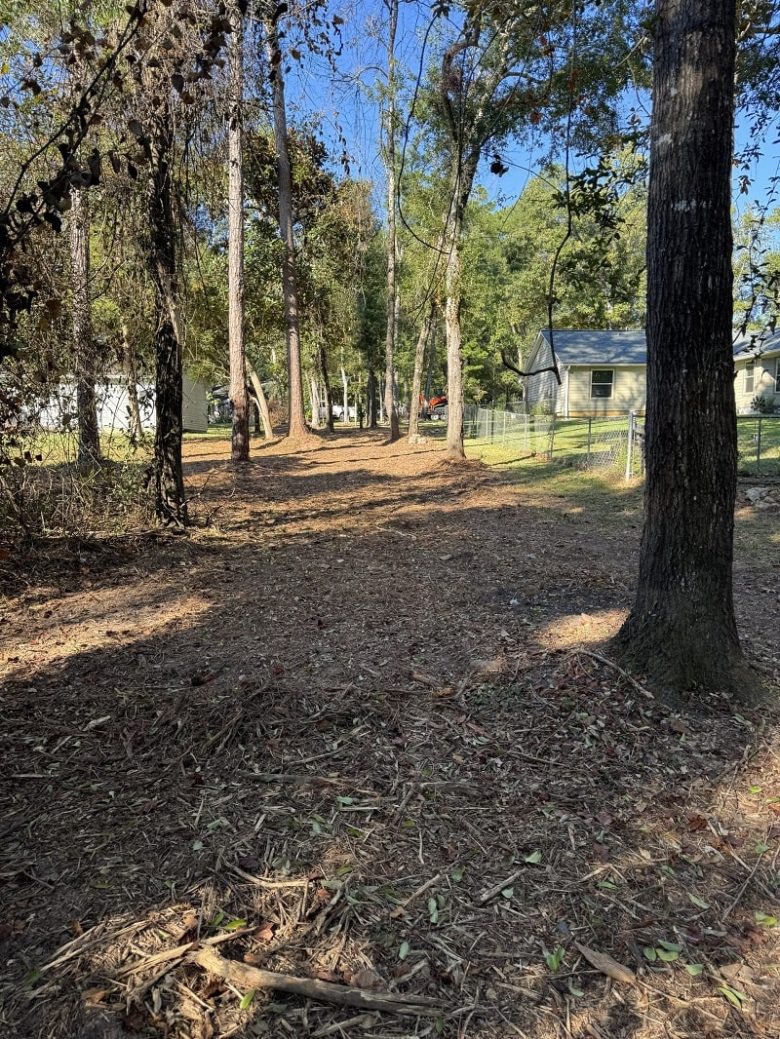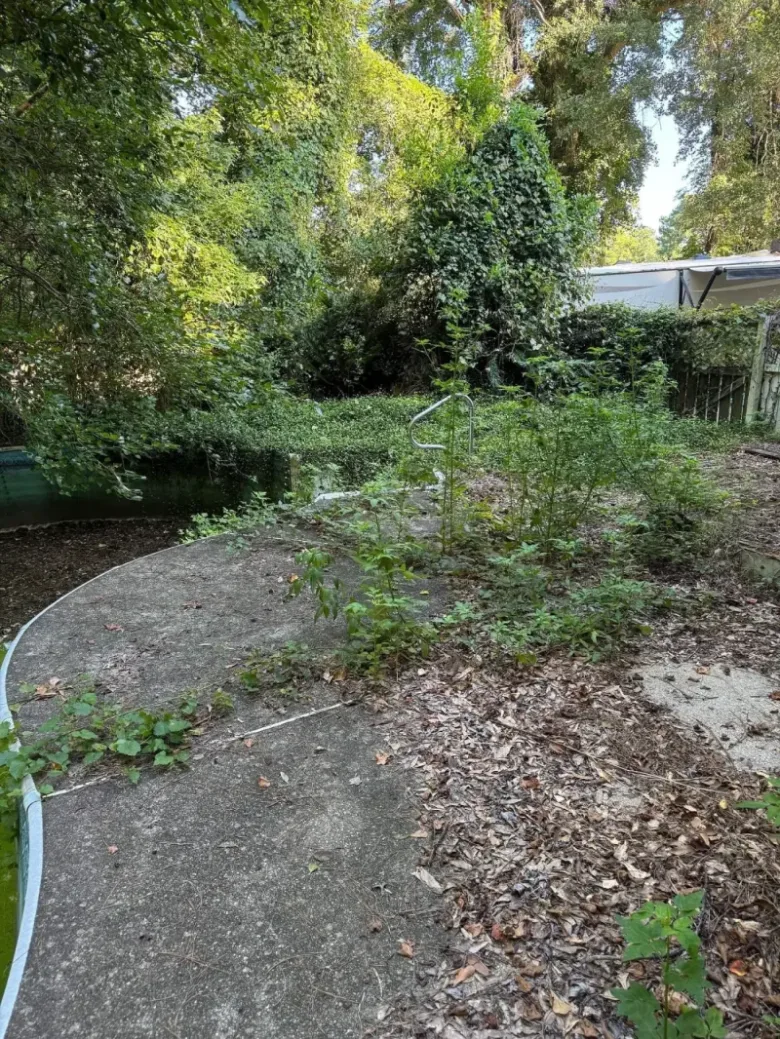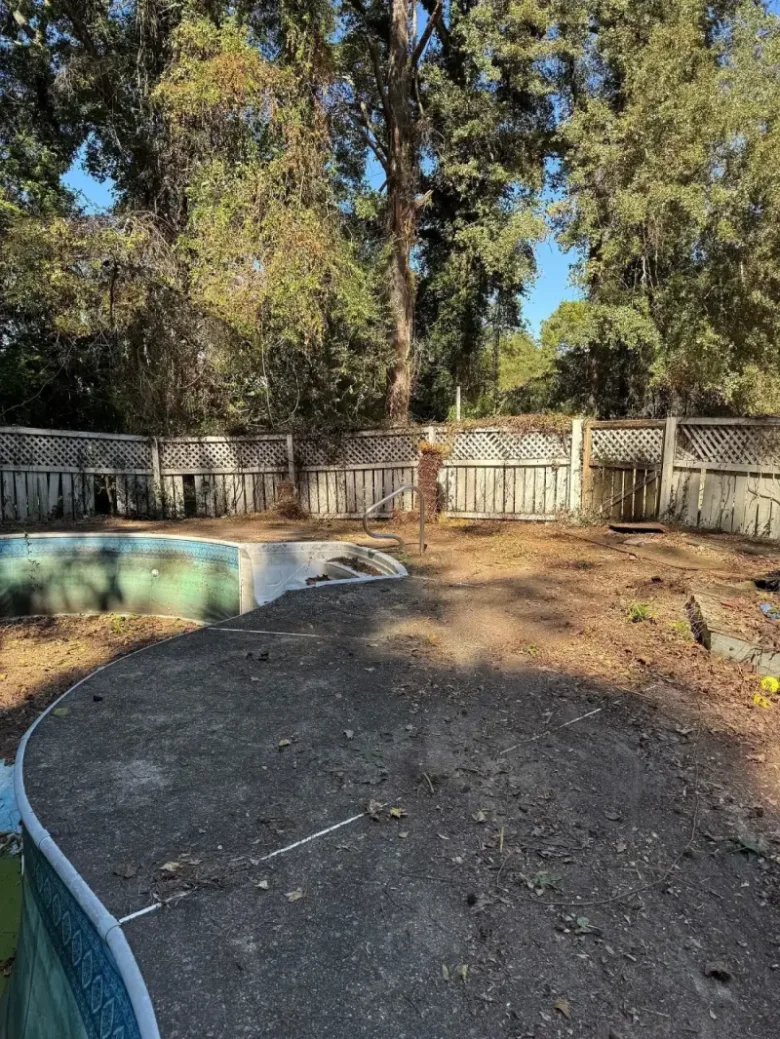
Planning Residential Lot Clearing Contractor in Crawfordville Florida?
EZ Acre works on lot clearing, brush removal, and tree work around Crawfordville Florida.
Dial 850-787-9300 to go over the size of the lot and the growth on it.
What the Work Really Covers
Land clearing covers trees, underbrush, vines, and the debris left behind, and the plan for the land decides how much is removed and how much is left. Some owners clear to reduce brush that has taken over fence lines and drives, and the planning stage matters as much as the machines.
Most people who search for Residential Lot Clearing Contractor own a lot or acreage that has grown out of control, and knowing the options makes it easier to ask good questions.
Brush, Underbrush, and Invasive Growth
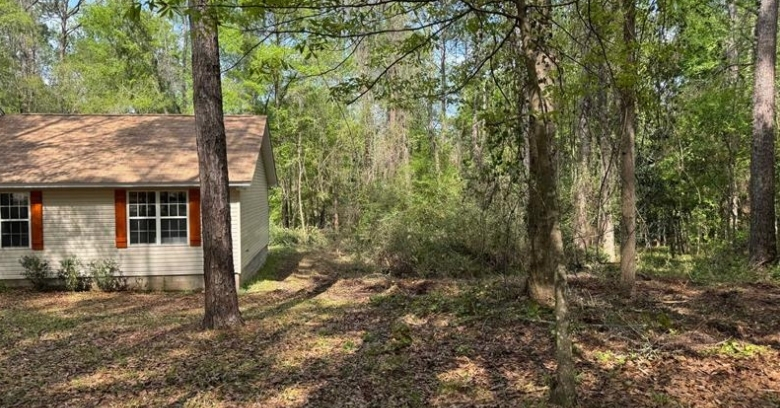
Heavy undergrowth turns a simple lot into an impassable thicket, and thick brush often hides ditches, stumps, old fencing, and debris. Invasive growth is more than a nuisance because it spreads to the neighbors, and roots and cuttings may need special handling.
Not every plant needs to go, and a selective approach saves shade trees and keeps the character of the land, and a walk through the land with the crew helps settle this. A full clear takes the property down to bare ground for building or grading, and mistakes in this step are hard to undo.
Cutting Trees Safely
Cutting a tree down is the most dangerous part of clearing, and it is done by trained crews, and crews look at lean, rot, and dead limbs before starting a cut. Stumps remain after a tree is cut, and they can be ground down or pulled out, and the plan for the area decides the best method.
Local governments often regulate the removal of large or protected trees, and checking local requirements before work begins avoids trouble. Work in the woods should always account for the creatures that live there, and local wildlife agencies publish guidance for property owners.
Machines Used on Site
Skid steers with forestry heads can cut, grind, and clear in a single pass, and steep or wet ground requires special tires or tracks. Some spots on a property are simply too tight or too sensitive for heavy equipment, and precision is the reason hand work remains.
The method that works best depends on the land and the goal, and mulching leaves a layer of chips on the ground. Ground disturbance is a concern near wetlands, waterways, and slopes, and crews usually plan the work around dry weather.
Debris, Stumps, and Cleanup
Piles of limbs, trunks, and roots are the byproduct of any clearing job, and hauling, chipping, and leaving it in place each take a different amount of effort. Wood chips and mulch from a clearing job are useful on the property, and a layer of mulch can keep the ground from eroding.
After clearing, the ground is often graded and seeded or stabilized, and a bit of seed and mulch goes a long way. The end of the job is the time to point out anything that needs another pass, and asking questions at the end is part of a good job.
Local Ground and Weather Around Crawfordville Florida
Sandy soil can be easy to dig but hard to drive on, and wet ground is harder still, and wetlands and low spots may need to be avoided or specially handled. The wet season runs through the summer months with frequent heavy rain, and dry months offer the most dependable window for clearing.
Storm damage often leaves properties littered with fallen trees and broken limbs, and demand for clearing and tree work jumps after a storm. A lot that was clear a year ago can be thick with growth today, and clearing once and then maintaining is the usual approach.
Making Room for What Comes Next
Clearing for a home site extends past the walls to leave room for work and drainage, and trees near the edge may have to go because their roots reach under the pad. Road clearing leaves room on both sides for water to run off, and the route should follow the natural lay of the land where possible.
Brush growing into a fence damages it and hides breaks from view, and fence rows are cleared with mowers, mulchers, or hand tools depending on the growth. Pasture restoration begins with clearing, and the grass follows, and grass seed or sod goes in once the ground is ready.
Sensitive Areas on a Lot
Wetlands and waterways come with rules that can restrict clearing, and the setback from the water's edge is often a required buffer. Sediment leaving a job site is a problem for neighbors and for waterways, and the plan should show where runoff will go.
Overhead lines, wells, septic systems, and drain fields all affect how a lot is cleared, and equipment must stay off a septic field because its weight can crush the pipes. Work near lines should never be improvised, and owners should keep records of where lines were found.
Factors That Shape the Schedule
A small lot can be cleared in a day or two, while larger parcels can take weeks, and a site visit gives the crew a better idea of the timeline. Heavy storms can halt clearing and leave the site too soft to work, and crews often rearrange their work around the forecast.
Clearing is not always a one-time job, and some owners schedule a follow-up visit a few months after the first pass. The goal for the land shapes the clearing and the follow-up, and the owner and the crew can agree on the follow-up before the job starts.
Neighbors, Boundaries, and Courtesy
Machines and chain saws make noise, and neighboring property owners feel it, and good relations with neighbors outlast the job. Cutting trees or brush that belong to a neighbor can lead to disputes, and disputes are far easier to prevent than to settle.
Questions to Settle Before Work Begins
Walk the property and decide which areas will be cleared and which will stay untouched, and talk about trees, stumps, and debris before the crew arrives. Check the rules for the property, since some areas require permits for clearing, and the work goes smoothly.
With those questions answered, choosing among Residential Lot Clearing Contractor in Crawfordville Florida gets easier, and a call usually settles the rest.
Ring 850-787-9300 when you are ready to plan a clearing project.
Verified

Verified
Verified
Verified