Comparing Eco-Friendly Mulching Company in Monticello Florida?
EZ Acre handles mulching jobs on lots and acreage around Monticello Florida.
Call 850-787-9300 to ask how a mulching project like yours is usually handled.
Turning Growth Into Mulch
Mulching can mean cutting standing growth into chips or laying a cover of material over exposed ground, and the three most common kinds are forestry mulching, hydraulic mulching, and ordinary bed mulching. Mulch holds moisture, shades the soil, and slows weeds, and it also slows the washing away of soil in heavy rain.
People looking up Eco-Friendly Mulching Company usually have a clear idea of the result they want, and knowing the options makes it easier to ask good questions.
Forestry Mulchers Explained
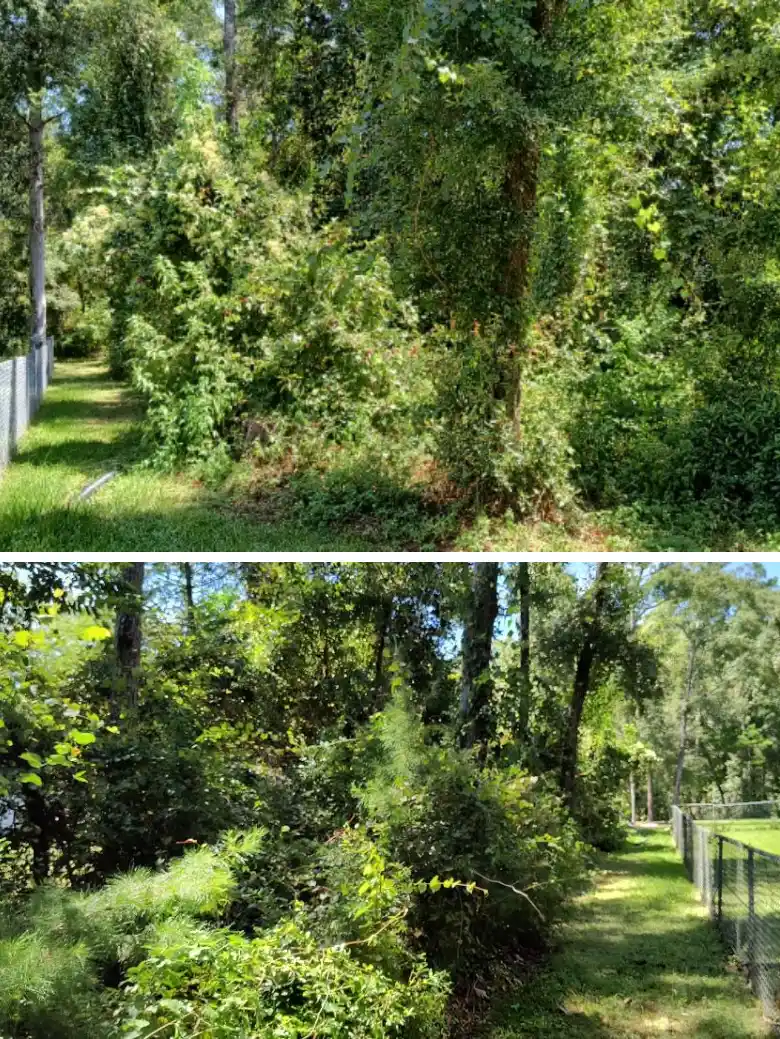
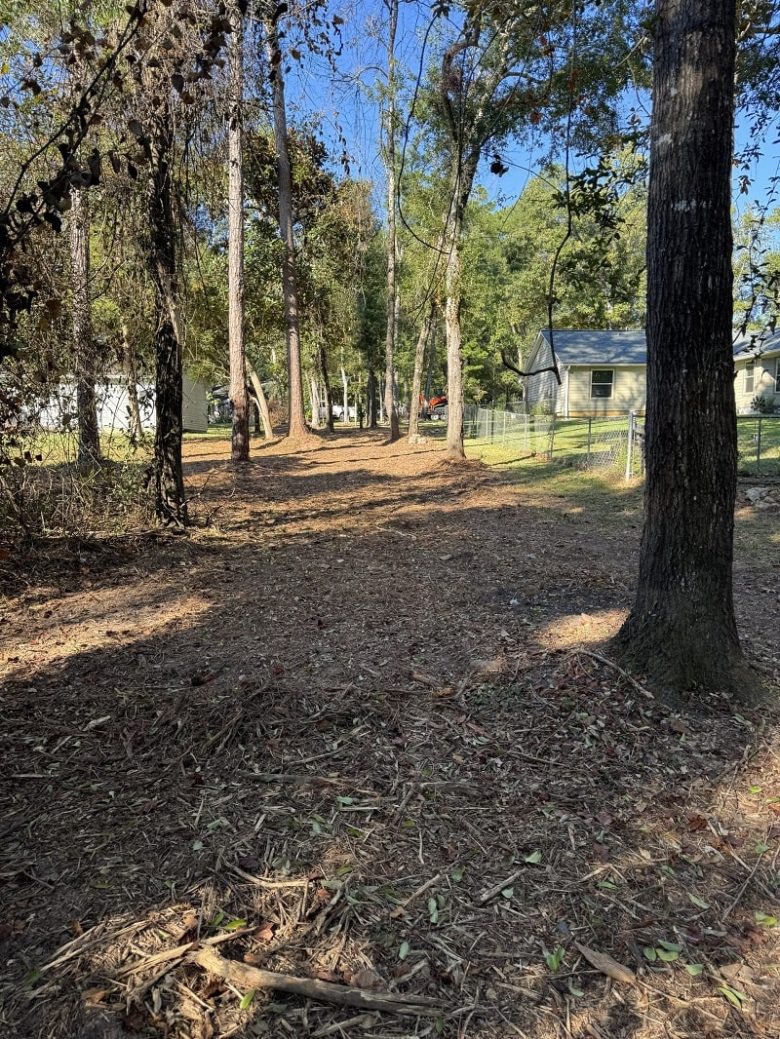
The mulching head spins at high speed and reduces brush, saplings, and even sizable trees to chips, and there are no burn piles to tend and no debris to haul. Because the roots stay in the ground, the soil holds together better than after a bulldozer clearing, and fewer ruts and less bare soil mean less cleanup afterward.
Larger mulching heads can take trees many inches across, and smaller ones are meant for brush, and selective mulching clears the understory and keeps the shade trees. The depth of chips varies with the amount of growth that was cut, and a thick layer may need to be raked near buildings.
Hydraulic Mulching
Hydromulch is a liquid mixture of paper or wood fiber, water, and tackifier that dries into a protective crust, and a green dye often shows where the spray has been applied. Disturbed ground is vulnerable until grass grows in, and good timing matters, since a storm can arrive before the cover does.
Hydraulic mulching depends on weather, water, and the right mix, and slopes may need an extra layer or a stronger binder. A mix chosen for local conditions establishes faster, and some sites need a second application.
Leaving the Land in Better Shape
Grinding growth into chips returns plant material to the soil as it decays, and the mulch layer shelters the soil from sun and rain. Care near water is a legal requirement in many cases, not only a preference, and owners should ask about local rules before work begins.
Wood-based mulch is both attractive and useful around plants, and mulch should not be piled against trunks or house walls. Wood chips from clearing are a practical covering for trails, bare ground, and steep banks, and owners often ask the crew to leave the chips where they are useful.
Choosing the Right Machine for the Growth
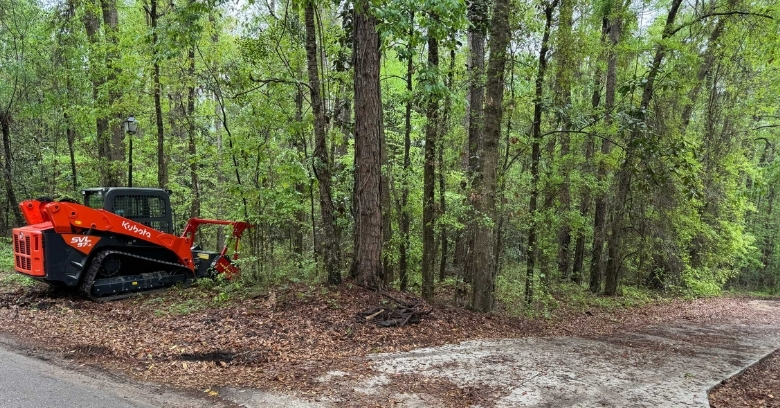
Forestry mulchers are mounted on skid steers, tracked carriers, or excavators, and rubber tracks spread the weight over wet or sandy ground. The machine blends water, mulch, and seed and sprays the mix through a hose or a boom, and the size of the tank decides how many acres a load covers.
Operators and bystanders both face real hazards on a mulching job, and nearby buildings, vehicles, and fences need protection from thrown material. Rocks, old fence wire, buried metal, and stumps are risks for any mulching head, and marking the hazards before work begins is a good habit.
Sandy Soil, Wet Seasons, and Storms Around Monticello Florida
Sand holds little water or nutrients, and mulch helps with both, and a covered surface stays cooler in the summer sun. Summer here brings heat, humidity, and daily storms, and bare soil exposed in the wet season needs cover quickly.
Hurricane season runs from June through November and brings storms that fell trees and fill yards with debris, and grinding the material in place can be faster than hauling it away. Thinning understory growth reduces the fuel available to a fire, and burn bans are common in dry spells.
What Is Left Behind and How It Behaves
Stumps remain after mulching, usually cut low and often ground down as part of the pass, and building areas generally need stumps and large roots removed. A slope held by living and dead roots keeps its shape much better than bare soil, and steep ground still needs watching after the first heavy rain.
The mulch left by a forestry head is coarse, with a mix of bark, wood, and leaves, and a thick mat of fresh chips can tie up nitrogen briefly as it decomposes. Mulch depth matters, and too much can be as much of a problem as too little, and chips piled in one spot can be moved for use elsewhere.
Seasonal Planning for Mulching
Timing a forestry job for dry weather protects both the land and the schedule, and planting too late can leave bare ground exposed to the storms. Within a season, a mulched lot may show new shoots from stumps and vines, and a managed property stays open with little effort.
Mulch is not permanent, and part of its value is that it decays into the soil, and thin patches show up first near edges and on slopes. Local fire rules sometimes limit the amount of mulch near buildings, and it helps to ask local fire officials about the recommendations for the area.
Choosing the Method for the Property
Dense vegetation that blocks access and sight lines is the job forestry mulching is built for, and a freshly graded slope or a new lawn area belongs to the spray method. Using the two together turns wild growth into a stable, planted surface, and owners should ask how the pieces fit together.
For a home landscape, a few inches of mulch around the plants does the job, and the appearance is a bonus on top of the benefits to the plants. Telling the crew whether the aim is clearing, cover, or decoration points to the right service, and it helps to think about how the land will be used over the next year.
Wildlife, Nesting, and Care on Wooded Land
Thick brush shelters animals that nest, burrow, and hide in the growth, and the best time to ask is before the machine starts. Many property owners schedule mulching and clearing for the late fall and winter, and responsible work treats the land as more than a pile of material.
Getting the Job Scoped Right
Start by marking the area to be mulched and describing the growth, and a site visit lets the crew see the land in person. The details of access, permits, and disposal should be settled before the job starts, and the schedule can be planned around approvals.
With those questions answered, choosing among Eco-Friendly Mulching Company in Monticello Florida gets easier, and the next step is a conversation about your property.
Call 850-787-9300 to get your lot ready for its next use.
Verified

Verified
Verified
Verified