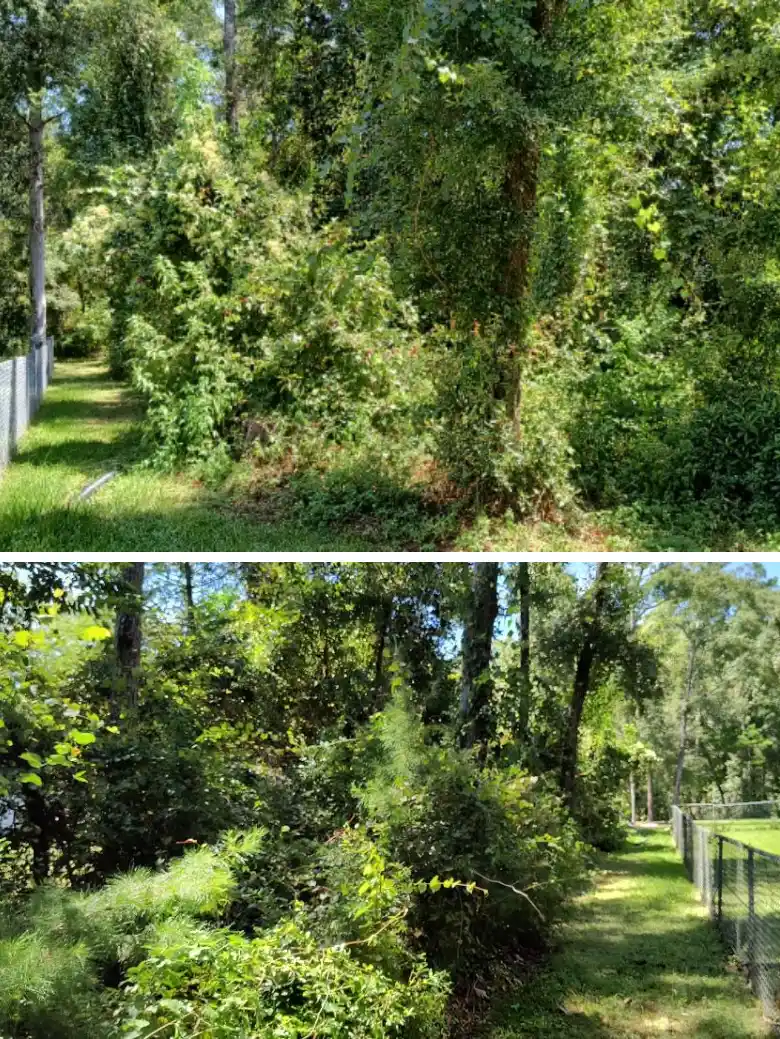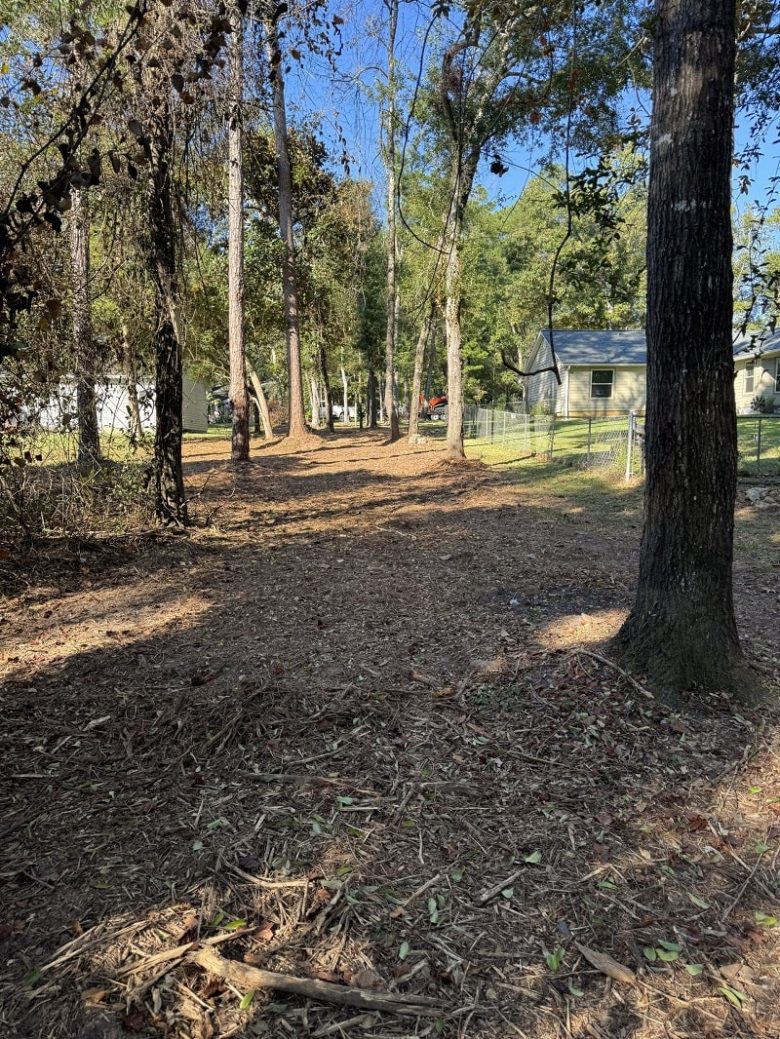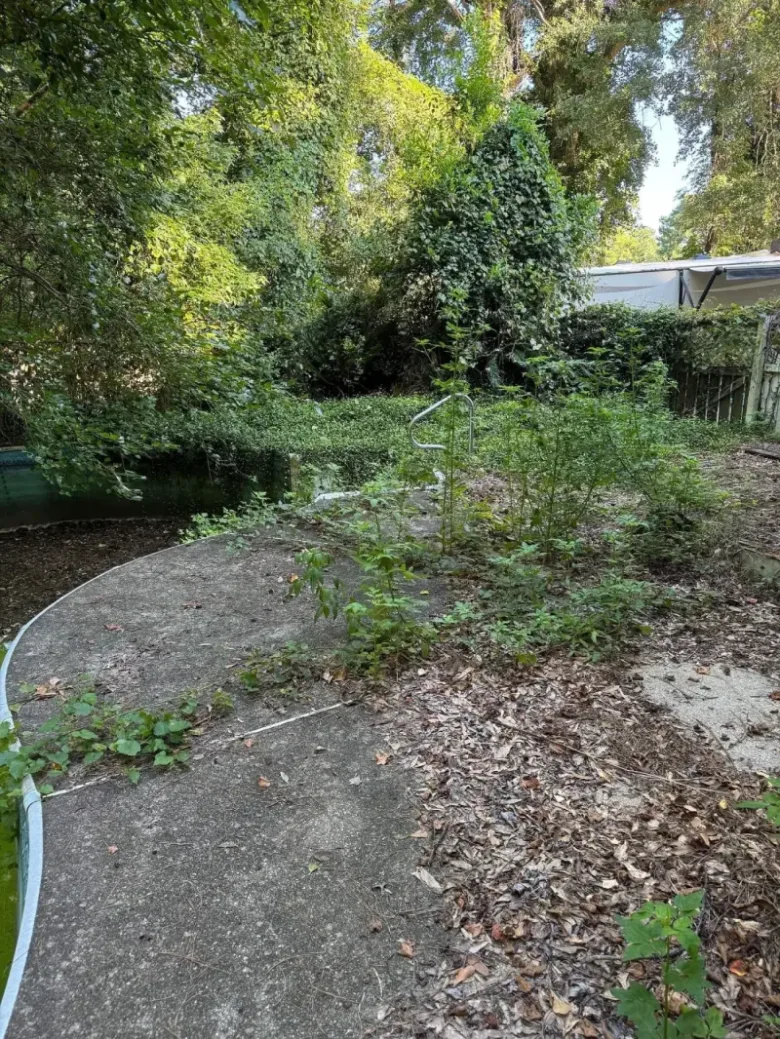
Land clearing is an essential process that plays a significant role in the development and management of properties, agricultural fields, and public infrastructure. In Tallahassee Florida as well as neighboring areas like Quincy, landowners and developers often face the pressing need to clear land for various purposes, ranging from residential and commercial construction to creating space for farming or recreation. Despite its clear benefits and perceived necessity, land clearing is more than just removing trees, bushes, or debris because it is closely tied to environmental stewardship and sustainability.
The rise in development across Northern Florida has brought attention to the many environmental concerns associated with land clearing. These issues are not limited to wildlife displacement or deforestation. They also include soil erosion, water quality, ecosystem balance, and air quality, all of which are crucial for maintaining the region's environmental integrity. Local regulations in Tallahassee and Quincy Florida require landowners and contractors to adhere to specific guidelines to minimize the negative impacts of clearing activities, making it essential to understand both the practical and ethical considerations involved.
A local land clearing contractor brings not only the expertise to manage the technical aspects of the job but also the knowledge needed to navigate these environmental challenges. Landowners looking to clear property in Tallahassee or Quincy need to be aware of the broader implications of land clearing and the responsibilities that come with it. Beyond simply preparing a plot for construction or agriculture, every action taken during the clearing process has ripple effects that can last for decades. Addressing environmental concerns from the outset provides compliance with local standards while also protecting the unique flora, fauna, and ecosystems characteristic of Northern Florida.
By examining the main environmental concerns related to land clearing in the Tallahassee Florida region, such as habitat destruction, soil erosion, invasive species spread, water runoff, air quality, and proper waste management, landowners and contractors can make informed decisions. This not only streamlines the permitting process but also contributes to a healthier, more vibrant natural landscape for both current and future generations. In this article, we plan to delve into these six key environmental issues, offering insights for property owners, developers, and anyone interested in sustainable land management. Whether you are planning a major construction project or a modest backyard transformation in Tallahassee or Quincy Florida, understanding these concerns is critical for achieving your goals responsibly.
Main Considerations for Eco-Friendly Land Management in the Tallahassee Area
1. Habitat Destruction and Wildlife Displacement
The most immediate impact of land clearing in Tallahassee and surrounding areas is the loss of habitats for countless species. From towering live oaks to dense underbrush, the region's unique landscape supports a wide array of birds, mammals, reptiles, and insects. When land clearing contractors begin their work, they often disrupt the delicate balance that local wildlife relies on for survival.
Migratory birds, deer, and numerous small animals may lose shelter or nesting grounds. For many species, land clearing is more than a simple inconvenience; it is a matter of life and death. In Tallahassee Florida, regulations require certain steps before initiating large-scale clearing projects, such as wildlife surveys and in some cases, the relocation of protected animals.
It is also crucial to recognize that the loss is not always apparent right away. Once vital cover is removed, predators may move in and previously balanced populations can experience rapid changes. Employing a knowledgeable land clearing contractor who understands local regulations can help mitigate these effects. They may employ phased clearing, buffer zones, or recommend replanting native vegetation to aid displaced species.
2. Soil Erosion and Sedimentation
Tallahassee land clearing frequently exposes bare earth, leaving it vulnerable to erosion by wind and rain. When contractors strip vegetation from the surface, the natural protection that plants provide against the elements disappears. Without roots to stabilize the soil, even moderate rainfall can wash away topsoil, leading to reduced fertility, poor plant growth, and increased sediment in nearby waterways.
Sedimentation is a major threat to Florida's pristine lakes, rivers, and wetlands. As soil runs off cleared sites and enters water bodies, it clouds the water, blocks sunlight, and smothers aquatic habitats, hindering fish reproduction and affecting drinking water supplies. This problem is especially pronounced in hilly or sloped areas commonly found around Tallahassee and Quincy.
Effective erosion control measures, such as silt fences, mulching, or hydroseeding, are crucial parts of responsible land clearing. A skilled land clearing contractor will always factor in these environmental protections from the outset of any project.
3. Spread of Invasive Species
Disturbing the natural landscape often creates opportunities for invasive plant species to take hold. In North Florida, aggressive invasives like cogongrass and air potato quickly outcompete native plants in areas where soil is disturbed or native groundcover is removed. These species not only alter the plant community but can also affect wildlife, fire cycles, and overall ecosystem health.
Invasive species thrive on disturbed ground, making newly cleared land especially vulnerable. Landowners and contractors in Tallahassee and Quincy Florida must take proactive steps to monitor and control invasives, such as immediate replanting with native vegetation or using approved herbicides. Ongoing site management post-clearing is often required to prevent these species from overrunning the site.
4. Water Quality and Stormwater Management
Cleared land alters the natural flow of water, leading to greater stormwater runoff volumes and increasing the risk of localized flooding. As impermeable surfaces are introduced or the soil is compacted by heavy machinery, rainwater that once soaked into the ground now runs off the landscape, picking up pollutants, fertilizers, and sediment.
In the Tallahassee area, both municipal codes and best-practice guidelines require that landowners manage stormwater responsibly on cleared sites. This might involve installing retention ponds, swales, or rain gardens to slow down and filter runoff before it reaches rivers, lakes, or aquifers.
A qualified land clearing contractor understands the hydrology of North Florida and will integrate water management solutions that not only comply with local laws but also protect the region's precious water resources.
5. Air Quality Impacts
Air quality is another major concern with land clearing, especially when traditional slash-and-burn techniques or heavy equipment are used on a large scale. The dust generated by clearing equipment, along with smoke from burning vegetative debris, can lower air quality for workers and nearby communities in Tallahassee or Quincy.
In populated or sensitive areas, regulations may prohibit burning or require permits and air quality monitoring. Alternatives such as chipping, mulching, or hauling away green waste are encouraged. Working with an environmentally conscious land clearing contractor confirms that all legal requirements are met and the impact on air quality is minimized.
6. Waste Management and Sustainable Disposal
Proper disposal of vegetation, stumps, and debris remains a challenge during any clearing project. Simply burning or dumping debris without oversight can lead to environmental violations and lasting harm. In Tallahassee, local ordinances often dictate acceptable methods for disposing of cleared vegetation requiring recycling, mulching, or using approved landfill sites.
Contractors who prioritize sustainability will separate materials for composting or re-use, minimizing landfill waste and reducing the project's carbon footprint. Sustainable waste management not only meets legal requirements but also demonstrates a commitment to protecting the local environment in both Tallahassee and Quincy.
Land Management in Tallahassee and Quincy: Sector Impacts and Responsible Applications
The need for responsible land clearing spans a broad range of sectors:
- Residential Development: As housing demand grows in Tallahassee and Quincy, land clearing enables builders to create new communities while safeguarding green space and mitigating runoff.
- Agriculture: Clearing land for farming can boost local economies, but it must balance productivity and preservation of natural resources, particularly in areas prone to erosion.
- Commercial Projects: Businesses expanding into the region, from logistics centers to retail spaces, must prioritize environmental due diligence to avoid costly regulatory setbacks.
- Government and Infrastructure: Road expansions, public parks, and utility installations rely on careful land clearing to enhance public services without harming key environmental assets.
- Conservation Efforts: Not all land clearing is for development as sometimes it is necessary for habitat restoration, invasive species removal, or wildfire prevention.
Across all these applications, hiring a reliable land clearing contractor means your project aligns with environmental priorities while meeting project goals in Tallahassee Florida, Quincy, and surrounding communities.
Pros and Cons of Land Management
Pros:
- Prepares land for efficient use, whether residential, commercial, or agricultural.
- Can improve access and reduce wildfire risk.
- Allows removal of hazardous or diseased trees.
- Offers opportunities to manage invasive species.
Cons:
- Can disrupt local wildlife and critical habitats if not managed carefully.
- Increases the risk of soil erosion and water pollution if proper controls are not in place.
- May introduce invasive species if debris is not managed responsibly.
- Regulatory requirements can lengthen project timelines if not handled proactively.
Applications and Best Practices
The most successful land clearing projects in Tallahassee and Quincy integrate best practices, such as:
- Conducting pre-clearing assessments for wildlife and wetland protection.
- Sequencing, clearing, and construction activities to minimize erosion risks.
- Recycling or mulching cleared materials to reduce waste.
- Coordinating with local environmental agencies to ensure compliance.
These steps lay the groundwork for projects that are both environmentally responsible and economically successful.
The Role of the Land Management Contractor
Engaging an experienced land clearing contractor is essential to address these environmental concerns. Contractors who understand both the technical and environmental aspects of land clearing can navigate regulations, apply best practices, and see that your project runs smoothly while also protecting the local ecosystem. They will assess the site, plan the work with minimal disturbance, and integrate solutions for erosion, stormwater, waste, and wildlife management.
For property owners in Tallahassee and Quincy, this expertise means peace of mind that your project complies with all local standards and regulations, avoiding costly fines or delays while promoting long-term environmental health.
Conclusion
Land clearing is a complex process that requires careful planning, environmental awareness, and legal compliance, especially in ecologically sensitive areas like Tallahassee and Quincy Florida. Addressing the six main environmental concerns of habitat destruction, soil erosion, invasive species, water quality, air quality, and waste management means that development proceeds responsibly and sustainably. Local homeowners and developers must work closely with a reputable land clearing contractor who recognizes the importance of environmental stewardship and incorporates best practices at every phase.
Whether you are preparing a small residential lot or undertaking a large-scale commercial project, understanding and mitigating the ecological impacts associated with land clearing is not only a legal necessity but also a moral obligation. Taking early action to address these concerns protects the interests of both property owners and the wider community, preserving North Florida's unique character and natural beauty for generations to come.
If you are planning a land clearing project in Tallahassee Florida, Quincy, or the surrounding North Florida region, reach out to a trusted local contractor with experience in sustainable land management. Your careful approach will see to it that your property's transformation is both successful and environmentally responsible!
Key Takeaways
- Assess Habitat Impact Before Clearing: Begin any land clearing project with a thorough assessment of the site's ecological value. Identify the presence of rare or protected species and consider phased clearing or buffer zone creation to minimize habitat destruction. This up-front planning can reduce wildlife displacement and help maintain biodiversity.
- Adopt Erosion Control Measures: To prevent soil loss and sedimentation in nearby waterways, implement proven erosion control methods such as silt fencing, seeding, mulching, or installing temporary barriers. Work with your land clearing contractor to tailor solutions to the landscape's specific needs, especially on sloped or hilly sites in Tallahassee or Quincy.
- Monitor and Manage Invasive Species: After clearing, disturbed land is especially prone to invasives. Create a post-clearing management plan that includes regular inspections, prompt removal of invasive plants, and replanting with native species to maintain ecosystem balance.
- Plan for Stormwater Management: Altered water flow from cleared land can harm both property and the wider environment. Install retention ponds, swales, or rain gardens to capture runoff and filter out pollutants before they reach natural bodies of water. Proper planning protects water quality and reduces the risk of flooding.
- Minimize Air Quality Impacts: Avoid burning debris whenever possible. Instead, use chipping and mulching to reduce both smoke and dust. If burning is necessary, secure the appropriate permits and follow all air quality regulations to protect nearby residents and workers.
- Prioritize Sustainable Waste Disposal: Separate cleared materials for composting or recycling rather than burning or sending all debris to landfills. Many land-clearing contractors offer sustainable disposal options that benefit both the environment and your project's bottom line.
- Stay Informed on Local Regulations: Tallahassee and Quincy both have strict guidelines for land clearing. Stay up to date on permitting requirements, acceptable clearing methods, and protected-area restrictions to avoid costly fines and project delays.
- Hire an Experienced Land Management Contractor: Choosing the right contractor provides compliance with environmental and legal standards. Look for local professionals experienced in managing both the technical and ecological aspects of clearing land in North Florida.
- Consider Long-Term Land Stewardship: After the initial clearing, continue to monitor the site's health. Plan for reforestation, landscaping, or habitat restoration to foster ecological recovery and enhance property value.
- Engage with the Community: Collaborate with local environmental groups, government agencies, or neighbors to align your land clearing project with broader conservation goals. This approach furthers community trust and demonstrates your commitment to responsible land management.
FAQs
1. What are the main environmental risks associated with land clearing in Tallahassee Florida?
The primary risks include wildlife habitat destruction, soil erosion, sedimentation, the spread of invasive species, decreased water quality due to increased runoff, air pollution from burning debris, and improper waste management. Addressing these with a skilled land clearing contractor brings compliance and environmental protection.
2. Why should I hire a land clearing contractor for my Tallahassee or Quincy project?
Professional contractors have the expertise and equipment to safely, efficiently, and legally clear land while minimizing environmental impact. They understand local regulations and apply best management practices specific to Tallahassee and Quincy.
3. How can I minimize wildlife displacement when clearing land?
Begin with a wildlife survey to identify sensitive species. Use phased clearing, preserve key habitat areas if possible, and replant native vegetation. A knowledgeable land clearing contractor can guide you through these steps.
4. What regulations govern land clearing in Tallahassee and Quincy Florida?
Both cities enforce codes regarding protected species, tree removal, erosion control, stormwater management, and debris disposal. Securing permits and following these guidelines prevents legal issues and environmental harm.
5. How does land clearing contribute to soil erosion and how can it be prevented?
Clearing removes the root systems that anchor the soil, leading to erosion by wind and rain. Erosion can be prevented by using silt fences, replanting quickly, and applying mulches or ground covers. Contractors implement these measures as standard practice.
6. What are the alternatives to burning debris after land clearing?
Alternatives include chipping, mulching, composting, and hauling to approved recycling sites. These methods reduce air pollution and are often required by local regulations in Tallahassee and Quincy.
7. How can land clearing increase the risk of invasive species?
Disturbed soil and reduced competition allow invasives to establish quickly. Control them by monitoring cleared areas, removing invasive plants early, and replanting native species.
8. What stormwater management strategies should be used on a cleared site?
Install retention ponds, swales, or rain gardens to slow and filter runoff. These measures prevent contamination of nearby water bodies and comply with local codes.
9. How important is post-clearing land management in North Florida?
Extremely important. Be sure to monitor for erosion, invasive species, and site recovery. Post-clearing management offers long-term environmental and property health.
10. What steps should I take so that my land clearing project is environmentally responsible?
Work with a reliable contractor, secure permits, conduct wildlife and environmental assessments, plan for erosion and stormwater management, manage debris sustainably, and monitor the site post-clearing. This comprehensive approach provides responsible land management in Tallahassee and Quincy.