

Researching Storm Debris Removal Company in Midway Florida?
EZ Acre works on debris cleanup for lots, yards, and job sites in and around Midway Florida.
Reach us at 850-787-9300 to go over the size of the pile and the access to it.
What Debris Removal Covers
Cleaning up debris means collecting scattered or piled material and taking it to a proper disposal site, and the material may be brush, fallen trees, yard waste, or leftovers from a project. Debris collects for many reasons, such as storms, clearing, construction, and neglect, and the plan should match the material and the access.
Most people who search for Storm Debris Removal Company have a pile or a scattering of material they cannot manage alone, and the rest of this page covers the main types of debris and the details that matter.
When the Weather Leaves a Mess
Tropical storms and hurricanes bring down trees, tear off limbs, and scatter material across yards, and the first priority is always safety, with clearing for access second. Knowing the local rules can save a lot of effort in the weeks after a storm, and a private crew can handle what the public program will not.
Downed power lines and hanging limbs are serious hazards after a storm, and the area should be kept clear until a professional has assessed it. Trees that are leaning, cracked, or uprooted can be unstable, and the safe approach is slow and deliberate.
Limbs, Leaves, and Overgrowth
Yard debris is the plant material that builds up from trimming, pruning, and storms, and dry brush is fuel and should be kept away from buildings. Cleaning up a neglected yard often starts with cutting back and bagging, and the debris should be piled where the truck can reach it.
Public pickup is a good option for small amounts but not for large cleanups, and burning is restricted in many places, especially during dry spells. Chipping and mulching are alternatives to hauling away, and the crew should be told about chip piles that are not wanted.
Cleanup After Clearing, Building, and Demolition
Stumps, logs, and tangled roots are the heavy leftovers of a clearing job, and large logs may be useful as firewood or lumber. Construction projects generate scrap lumber, packaging, and broken materials, and the material should be kept separate from yard waste.
Not everything left on a property belongs in a standard haul, and the local waste authority can explain what is accepted and where. Disposal sites follow different rules, and some have limits on load size, and a plan for disposal belongs in the job from the beginning.
How Cleanup Crews Work
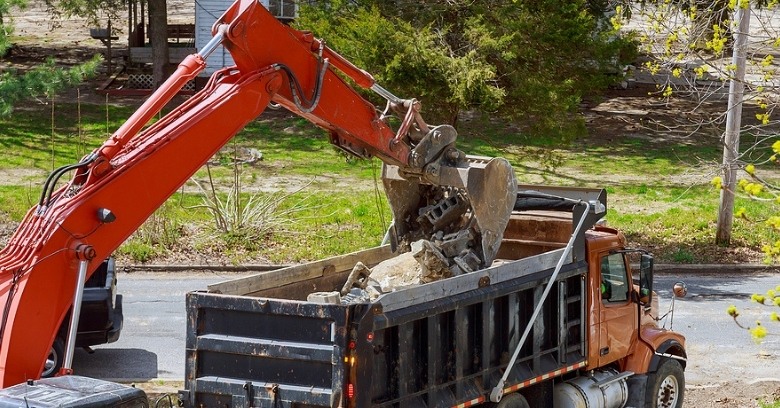
Debris crews use trucks, trailers, skid steers, loaders, and grapples, and several loads may be needed for a large pile. Chain saws, falling limbs, and heavy loads are the main sources of injury, and a calm, steady pace beats rushing.
Local Conditions That Shape Cleanup
The water table is close to the surface in many areas, so low ground is often wet, and dry weather is the best window for hauling. Summer brings heat, humidity, and daily thunderstorms, and crews often start early and finish before the afternoon storms.
Fast-growing vegetation produces a steady supply of debris, and a monthly or seasonal pass keeps the pile from growing. A yard free of piles and loose items suffers less in high wind, and owners should know where their trees stand in relation to the house.
Where Debris Ends Up
Taking a little time to sort material is one of the best habits of a cleanup job, and metal can be taken to a scrap yard. Yard waste facilities turn limbs and leaves into products that are used again, and trash mixed into brush can spoil an otherwise reusable load.
Looking Before You Lift
A pile that has sat for a season or more is a ready-made habitat, and the pile should be disturbed from a distance with a tool before anyone reaches in. Old fencing and wire can be buried in overgrowth and catch a person or a machine, and sturdy boots and gloves are essential.
Local Rules on Open Fires
Local fire authorities set rules about what can be burned, when, and how far from buildings, and a fire left unattended is a serious danger. Large piles are better removed than burned in most circumstances, and many owners choose to have debris hauled or chipped.
Access, Staging, and Scheduling
Easy access shortens the job and lowers the effort for everyone, and photos or a site visit help the crew plan. Piles sorted by type are faster to load and haul, and large logs should be left where they are for the equipment.
The timing of a call can decide how soon a crew arrives, and a calm weather window is the best time for heavy hauling. Keeping a simple record of the job is a good habit, and it helps to ask the crew for a written description of the work.
Debris on Bigger Properties
Job sites and commercial properties generate waste continually and need regular removal, and crews may work in phases, clearing one section at a time. Small piles are quick to remove, and large piles take far longer, and neighbors appreciate a property that stays tidy.
Piles that sit close to a neighbor property can cause disputes if they are moved without notice, and a friendly word with the neighbor before work begins avoids trouble. Drainage ditches and culverts should be kept clear of debris, and local offices may have rules about work in public ditches.
Debris that sits through a rainy week can double in weight as it absorbs water, and dry brush is also a fire concern, so the pile should still be kept away from buildings.
Questions to Settle Before the Truck Arrives
The first step in any cleanup is knowing what is to be removed and where it is, and it helps to know where utilities, wells, and septic fields are located. The details of access, sorting, and disposal should be settled before the job starts, and changes are easier to handle on paper than in the field.
With those questions answered, choosing among Storm Debris Removal Company in Midway Florida gets easier, and a few minutes on the phone is enough to start.
Phone 850-787-9300 to get your lot clear and ready to use.
Verified

Verified
Verified
Verified
Verified














