

Getting ready for Debris Cleanup Contractor in Woodville Florida?
EZ Acre works on debris cleanup for lots, yards, and job sites in and around Woodville Florida.
Call 850-787-9300 to go over the size of the pile and the access to it.
The Basics of Debris Cleanup
Debris cleanup covers the sorting, loading, and removal of limbs, brush, and leftover materials, and the type of debris decides the equipment and the disposal method. Wind, flooding, and heavy rain can bring in debris from elsewhere, and the plan should match the material and the access.
A search for Debris Cleanup Contractor often starts after a storm, a clearing job, or a long stretch of neglect, and the question left is how the work and the disposal are arranged.
Fallen Trees and Scattered Limbs
Hurricane season runs from June through November, and a storm can leave a property buried in limbs and fallen trees, and adjusters and neighbors may need to see the damage before it is removed. Knowing the local rules can save a lot of effort in the weeks after a storm, and sorting vegetation from construction material is a common rule.
Hanging limbs, sometimes called widowmakers, can fall without warning, and fatigue and heat make mistakes more likely after a storm. Trees that are leaning, cracked, or uprooted can be unstable, and a trained crew should look at any questionable tree.
Limbs, Leaves, and Overgrowth
Brush and yard waste include limbs, shrub trimmings, palm fronds, and leaves, and the bulk is the main problem, because green material takes up a lot of space. Crews load by hand or with a grapple, depending on the size of the material, and bundles and bags should be sized for lifting.
Public pickup is a good option for small amounts but not for large cleanups, and the rules differ between the city and the unincorporated areas. A chipper turns limbs into mulch that can stay on the land, and chipping works on branches but not on large logs.
Cleanup After Clearing, Building, and Demolition
Debris from clearing includes both large timber and fine brush, and a lot cleared without a plan for the debris is only half finished. Project debris is a mix of materials that may need to be sorted for disposal, and hazardous items need special handling.
Anything that is hazardous should be set aside from the general debris, and hauling companies ask about hazardous items before they load. Clean wood and brush can often go to a mulching or recycling facility, and a plan for disposal belongs in the job from the beginning.
Machines and Hands on a Debris Job
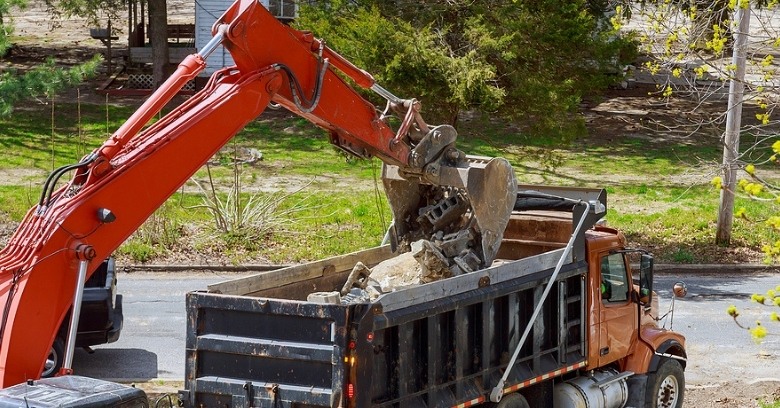
Heavy equipment moves large piles, while hand crews gather the rest, and soft ground may need mats or lighter machines. Gloves, boots, eye protection, and hearing protection are standard for crews, and crews stay hydrated and take breaks in the shade.
Local Conditions That Shape Cleanup
Trucks and loaders need firm ground, and a rainy week can make access difficult, and rutting a lawn is a common problem after heavy equipment. Rain and heat shape the daily schedule of every outdoor job, and dry months offer the most dependable window.
Palms, vines, and fast-growing trees drop material all through the year, and loose material left in the yard can become a hazard in high wind. Preparing before a hurricane reduces both damage and cleanup, and the effort spent before a storm often saves far more afterward.
Recycling What Can Be Reused
Sorting debris by type makes disposal faster and often easier, and metal can be taken to a scrap yard. Recycling green waste keeps large volumes out of the landfill, and the destination decides how the load should be prepared.
Hazards Hidden Inside Debris
Piles of brush and wood give cover to wildlife and pests, and crews work carefully and watch for movement. Material that has blown or washed in from elsewhere may contain anything, and sturdy boots and gloves are essential.
Why Burning Is Often Not an Option
Dry spells often bring burn bans that stop all outdoor fires, and a pile that was legal to burn last month may be banned this month. Moving material off the property avoids the risk of a runaway fire, and a crew with a chipper can reduce a large pile in a day.
Getting Trucks to the Debris
Access is one of the biggest factors in how long a debris job takes, and piles in the back of a lot may need a loader or a long haul. Piles sorted by type are faster to load and haul, and it helps to ask the crew how they would like the material arranged.
Waiting lists grow quickly after a hurricane or a major storm, and less urgent cleanup may wait a few weeks. Dated pictures are useful if questions arise later about the damage, and file the records where they can be found later.
Large Lots, Job Sites, and Repeat Cleanups
Large properties accumulate brush, fallen limbs, and discarded material over a long time, and a walk across the property helps map out the piles and the routes. Owners of rental properties, ranches, and vacant lots often arrange repeat visits, and setting up a simple routine saves effort over the year.
Material that has drifted across a boundary raises the question of whose responsibility it is, and it helps to clear communication keeps a small matter from growing. Debris in a drainage path is a hazard that gets worse with every storm, and a clear ditch is one of the simplest protections against flooding.
Rain soaks brush and wood, which raises the weight of every load, and the weather forecast is worth checking before the crew is scheduled.
Getting the Job Scoped Right
Walk the property and mark the material to be removed, and it helps to note anything that should be saved, such as firewood or lumber. Check the local rules on disposal, since some materials must be sorted, and the work goes smoothly.
With those questions answered, choosing among Debris Cleanup Contractor in Woodville Florida gets easier, and a few minutes on the phone is enough to start.
Ring 850-787-9300 when you are ready to plan a cleanup.
Verified

Verified
Verified
Verified
Verified














