

Planning Debris Removal Company in Midway Florida?
EZ Acre handles debris removal and cleanup for property owners in Midway Florida.
Phone 850-787-9300 to talk through what needs to be cleared away.
From Scattered Mess to Clear Ground
Debris cleanup covers the sorting, loading, and removal of limbs, brush, and leftover materials, and the amount can range from a few loads to a field full of material. Property owners call for debris removal after storms, building work, and long periods of overgrowth, and no two cleanup jobs are alike.
Anyone comparing options for Debris Removal Company is typically looking at more material than a pickup can handle, and knowing the options makes it easier to ask good questions.
When the Weather Leaves a Mess
After a hurricane, a typical property may hold downed trees, broken branches, and damaged fencing, and roads and driveways may be blocked until the debris is cut and cleared. Public collection programs may run for only a limited time after a storm, and owners should check with the city or county before hauling anything.
The most dangerous part of storm cleanup is not the heavy material but the hidden hazards, and fatigue and heat make mistakes more likely after a storm. Trees that are leaning, cracked, or uprooted can be unstable, and it helps to keep people and vehicles away from the drop zone.
Everyday Debris From a Property
Brush piles grow quickly in a warm, wet climate and can become a nuisance, and dry brush is fuel and should be kept away from buildings. Heavy yard work means cutting, gathering, and loading material in manageable pieces, and the debris should be piled where the truck can reach it.
Some counties collect yard waste on set days and in set amounts, and larger piles may need a private hauler or a drop-off at a transfer station. Instead of loading and hauling, brush can be chipped on site and spread on the property, and the owner can decide whether to keep the chips or have them hauled.
Cleanup After Clearing, Building, and Demolition
Land clearing leaves behind trunks, stumps, roots, and piles of brush, and the options are hauling away, chipping, burning where allowed, or burying in some cases. Building and renovation projects leave their own debris, and different types go to different disposal sites.
Paint, solvents, chemicals, batteries, and treated wood often need special handling, and hauling companies ask about hazardous items before they load. Knowing the destination before loading saves a wasted trip, and sorting at the start avoids confusion at the gate.
Machines and Hands on a Debris Job
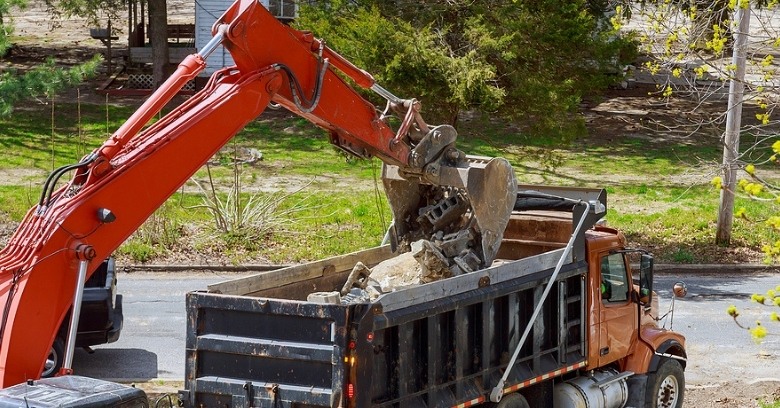
Heavy equipment moves large piles, while hand crews gather the rest, and hand work is needed around fences, buildings, and trees to protect. Chain saws, falling limbs, and heavy loads are the main sources of injury, and it helps to ask the crew where to stand and what to avoid.
Working the Land in Midway Florida
Trucks and loaders need firm ground, and a rainy week can make access difficult, and crews may need mats, lighter machines, or smaller loads. Summer brings heat, humidity, and daily thunderstorms, and debris piles left in the rain get heavier and harder to move.
Warm weather and rain make plants grow quickly, and trimming produces a lot of waste, and regular cleanup is easier than a large one. A yard free of piles and loose items suffers less in high wind, and an annual check of large trees near buildings is wise.
Sending Material the Right Way
Separating wood, brush, soil, metal, and trash lets each type go to the right place, and clean wood and brush can often be chipped and reused as mulch. Yard waste facilities turn limbs and leaves into products that are used again, and a short call to the facility tells you what it accepts.
Looking Before You Lift
Old debris piles can shelter snakes, rodents, insects, and other animals, and the pile should be disturbed from a distance with a tool before anyone reaches in. Storm debris often mixes wood with nails, roofing, wire, and broken glass, and sturdy boots and gloves are essential.
Why Burning Is Often Not an Option
Dry spells often bring burn bans that stop all outdoor fires, and owners can be held responsible if a fire spreads. Moving material off the property avoids the risk of a runaway fire, and a crew with a chipper can reduce a large pile in a day.
Access, Staging, and Scheduling
Access is one of the biggest factors in how long a debris job takes, and gates should be unlocked and the path cleared. Gathering scattered material into a single pile makes loading easier, and large logs should be left where they are for the equipment.
Waiting lists grow quickly after a hurricane or a major storm, and flexible dates give the crew room to fit the work in. Written notes about quantities and locations help with paperwork, and file the records where they can be found later.
Debris on Bigger Properties
Big lots need a plan, since debris is scattered and the hauling distances are long, and a staging area keeps the work organized. Regular cleanup is easier than a big one after neglect, and the best times are before and after storm season.
A survey stake or a known corner helps keep the work on the right side of the line, and a friendly word with the neighbor before work begins avoids trouble. Drainage ditches and culverts should be kept clear of debris, and local offices may have rules about work in public ditches.
Debris that sits through a rainy week can double in weight as it absorbs water, and trucks carry fewer loads when debris is soaked.
What to Settle First
Walk the property and mark the material to be removed, and a site visit lets the crew see the debris in person. Confirm what is included in the work and what is not, and the owner and the crew start with the same expectations.
With those questions answered, choosing among Debris Removal Company in Midway Florida gets easier, and the next step is a conversation about your property.
Reach us at 850-787-9300 to start planning the work.
Verified

Verified
Verified
Verified
Verified














