

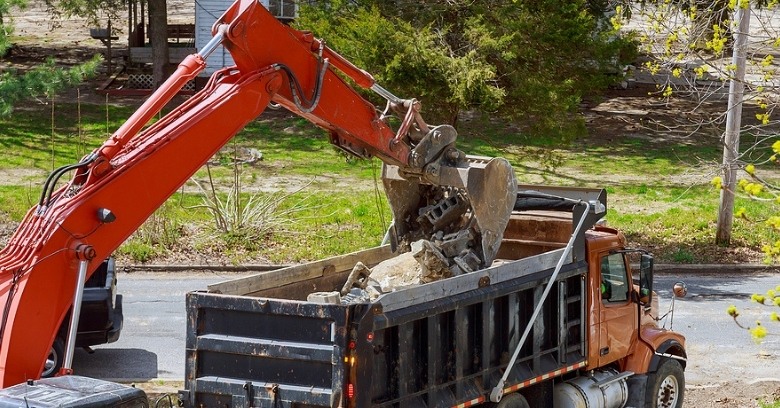
Dealing With Brush and Yard Waste Debris Removal in Crawfordville Florida?
EZ Acre helps property owners in Crawfordville Florida clear piles of limbs, brush, and leftover material.
Reach us at 850-787-9300 to start a conversation about your property.
More Than Hauling a Pile
Cleaning up debris means collecting scattered or piled material and taking it to a proper disposal site, and the work can involve hand crews, loaders, and trucks working together. Property owners call for debris removal after storms, building work, and long periods of overgrowth, and no two cleanup jobs are alike.
Anyone comparing options for Brush and Yard Waste Debris Removal is typically looking at more material than a pickup can handle, and the rest of this page covers the main types of debris and the details that matter.
Cleanup After Storms
After a hurricane, a typical property may hold downed trees, broken branches, and damaged fencing, and crews are in high demand after a major storm, and waiting times grow. Counties and cities sometimes set up curbside pickup and drop-off sites after a hurricane, and asking early avoids confusion later.
Downed power lines and hanging limbs are serious hazards after a storm, and the utility company should be called for any line on the ground. Trees weakened by wind can fall days or weeks after the storm, and it helps to work from a distance whenever there is doubt.
Everyday Debris From a Property
Brush and yard waste include limbs, shrub trimmings, palm fronds, and leaves, and large piles can hide animals, attract pests, and become a fire risk. A trailer or a truck with a high bed is the usual way to move yard waste, and the debris should be piled where the truck can reach it.
Some counties collect yard waste on set days and in set amounts, and a call to the county before the work begins helps avoid problems. Mulched debris reduces the number of truck trips and puts the material to use, and chipping works on branches but not on large logs.
Material That Comes With Projects
Clearing a lot produces more debris than most owners expect, and each choice has its own rules and effort. Construction projects generate scrap lumber, packaging, and broken materials, and different types go to different disposal sites.
Old structures can contain materials that require testing and careful removal, and hauling companies ask about hazardous items before they load. Disposal sites follow different rules, and some have limits on load size, and a plan for disposal belongs in the job from the beginning.
Equipment, Methods, and Safety
Chain saws cut large pieces down to a size that can be moved, and soft ground may need mats or lighter machines. Safety on a debris job covers sharp tools, heavy lifting, and vehicle traffic, and the loading area should be clear of people.
Local Conditions That Shape Cleanup
Trucks and loaders need firm ground, and a rainy week can make access difficult, and piles in hard-to-reach spots may be moved by hand first. Summer brings heat, humidity, and daily thunderstorms, and debris piles left in the rain get heavier and harder to move.
Brush that is trimmed now will grow back within a season, and a monthly or seasonal pass keeps the pile from growing. Waiting until a storm is on the way leaves little time to prepare, and the effort spent before a storm often saves far more afterward.
Where Debris Ends Up
Taking a little time to sort material is one of the best habits of a cleanup job, and hazardous items always travel separately. Many areas have facilities that recycle vegetation into mulch or compost, and it helps to clean loads are accepted at more places.
What Can Be Living in a Brush Pile
Stinging insects and venomous snakes are risks when an old pile is disturbed, and animals leaving the pile should be allowed to go on their way. Puncture wounds and cuts are common injuries on cleanup jobs, and sturdy boots and gloves are essential.
Local Rules on Open Fires
Open burning of yard waste may require a permit or may be banned altogether in some areas, and a pile that was legal to burn last month may be banned this month. Moving material off the property avoids the risk of a runaway fire, and many owners choose to have debris hauled or chipped.
Access, Staging, and Scheduling
Easy access shortens the job and lowers the effort for everyone, and moving vehicles out of the way helps. Staging debris in one place before the crew arrives speeds up the job, and large logs should be left where they are for the equipment.
Waiting lists grow quickly after a hurricane or a major storm, and less urgent cleanup may wait a few weeks. Keeping a simple record of the job is a good habit, and it helps to note any damage to fences, structures, and trees.
Ongoing Cleanup for Active Sites
A multi-acre parcel may hold piles spread across fields, fence rows, and drainage ditches, and crews may work in phases, clearing one section at a time. Small piles are quick to remove, and large piles take far longer, and the best times are before and after storm season.
Debris near property lines and shared fences needs a little extra thought, and it helps to clear communication keeps a small matter from growing. Clearing the flow path of brush and limbs is a quiet but important kind of cleanup, and a short job now prevents a larger problem later.
Debris that sits through a rainy week can double in weight as it absorbs water, and the weather forecast is worth checking before the crew is scheduled.
Questions to Settle Before the Truck Arrives
A clear description of the debris and where it sits makes the job simpler, and the access route for trucks and trailers should be clear. Ask who handles the loading, the hauling, and the disposal, and the work goes smoothly.
That is how most property owners approach Brush and Yard Waste Debris Removal in Crawfordville Florida, and the next step is a conversation about your property.
Phone 850-787-9300 to ask about brush, storm debris, and project waste.
Verified

Verified
Verified
Verified
Verified














