

Getting ready for Brush and Yard Waste Debris Removal in Midway Florida?
EZ Acre hauls away brush, storm debris, and project waste around Midway Florida.
Call 850-787-9300 to talk through what needs to be cleared away.
From Scattered Mess to Clear Ground
Removal work turns a messy site into clear ground by getting rid of what was left behind, and the material may be brush, fallen trees, yard waste, or leftovers from a project. Leftover material from a job often stays on site until someone hauls it away, and the first step is understanding what kind of debris is involved.
Anyone comparing options for Brush and Yard Waste Debris Removal is typically looking at more material than a pickup can handle, and the rest of this page covers the main types of debris and the details that matter.
Storm Debris After Hurricanes and Heavy Weather
Storm cleanup is a large part of debris work in this region, especially late in the summer and fall, and roads and driveways may be blocked until the debris is cut and cleared. Public collection programs may run for only a limited time after a storm, and owners should check with the city or county before hauling anything.
Hanging limbs, sometimes called widowmakers, can fall without warning, and chain saw work on storm damage is among the most injury-prone tasks. Damaged trees need to be inspected before anyone works beneath them, and it helps to work from a distance whenever there is doubt.
Cutting and Hauling Away the Green Stuff
Yard debris is the plant material that builds up from trimming, pruning, and storms, and dry brush is fuel and should be kept away from buildings. Large branches are cut into lengths that can be lifted and loaded, and the work goes quicker with several people and the right tools.
A weekly or monthly pickup may take only a small amount of limbs and leaves, and burning is restricted in many places, especially during dry spells. Mulched debris reduces the number of truck trips and puts the material to use, and the owner can decide whether to keep the chips or have them hauled.
Land Management and Project Leftovers
Every acre cleared leaves a pile of limbs, roots, and wood, and each choice has its own rules and effort. Job sites accumulate waste that has to be hauled away regularly, and different types go to different disposal sites.
Not everything left on a property belongs in a standard haul, and mixing them into the load can bring problems at the disposal site. Landfills, transfer stations, and recycling centers each accept different materials, and it helps to ask the crew where the material will go.
How Cleanup Crews Work
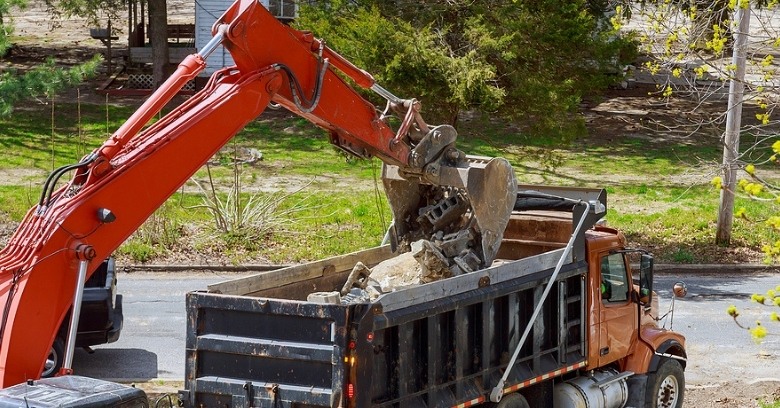
Debris crews use trucks, trailers, skid steers, loaders, and grapples, and the equipment is matched to the amount and type of material. Heat, humidity, and fatigue add to the risks in a warm climate, and the loading area should be clear of people.
What the Climate Means for Debris Work
Much of the ground around Midway Florida is sandy, and heavy trucks can sink in soft or wet spots, and piles in hard-to-reach spots may be moved by hand first. Summer brings heat, humidity, and daily thunderstorms, and lightning means everyone stops until it passes.
Warm weather and rain make plants grow quickly, and trimming produces a lot of waste, and keeping the property tidy is part of storm preparation. Preparing before a hurricane reduces both damage and cleanup, and an annual check of large trees near buildings is wise.
Recycling What Can Be Reused
Sorting debris by type makes disposal faster and often easier, and soil and rock may have a separate destination. Brush that is clean of trash and plastic is welcome at most mulching sites, and the destination decides how the load should be prepared.
Pests, Snakes, and Sharp Surprises
Old debris piles can shelter snakes, rodents, insects, and other animals, and gloves, boots, and long pants are the minimum for anyone handling it. Material that has blown or washed in from elsewhere may contain anything, and the pile should be taken apart slowly from the top.
Burn Bans and Dry Spells
Burning brush piles is regulated in many places, and rules change with the weather, and a call to the local fire authority before any burning is the right first step. Chipping on site produces a useful product and removes the fire hazard, and many owners choose to have debris hauled or chipped.
What Helps the Crew Work Faster
The distance from the pile to the truck decides how much hand carrying is involved, and gates should be unlocked and the path cleared. Piles sorted by type are faster to load and haul, and large logs should be left where they are for the equipment.
Cleanup demand spikes in the days after a weather event, and less urgent cleanup may wait a few weeks. Documenting the debris before removal can help with records and paperwork, and it helps to note any damage to fences, structures, and trees.
Cleanup That Keeps Coming Back
A multi-acre parcel may hold piles spread across fields, fence rows, and drainage ditches, and a walk across the property helps map out the piles and the routes. A recurring cleanup spreads the work out and keeps the property presentable, and a note on the calendar keeps it from being forgotten.
Debris near property lines and shared fences needs a little extra thought, and crews can only remove what the owner has the right to clear. Blocked ditches and culverts back up water and cause flooding in heavy rain, and a clear ditch is one of the simplest protections against flooding.
Piles left out in the weather get heavier, and wet debris is harder to move, and loads are easier to secure when the material is dry.
Preparing for a Cleanup Job
Photographs of the piles help the crew understand the size of the job, and the access route for trucks and trailers should be clear. Confirm what is included in the work and what is not, and changes are easier to handle on paper than in the field.
Everything above comes down to one decision, and Brush and Yard Waste Debris Removal in Midway Florida is where you make it, and a call usually settles the rest.
Ring 850-787-9300 to start planning the work.
Verified

Verified
Verified
Verified
Verified














