

Comparing Debris Cleanup Services in Midway Florida?
EZ Acre handles debris removal and cleanup for property owners in Midway Florida.
Dial 850-787-9300 to talk through what needs to be cleared away.
The Basics of Debris Cleanup
Debris removal is the work of gathering, loading, and hauling away unwanted material from a property, and the amount can range from a few loads to a field full of material. Piles form after a tree comes down, a lot is cleared, or a project wraps up, and no two cleanup jobs are alike.
Anyone comparing options for Debris Cleanup Services is typically looking at more material than a pickup can handle, and the next step is understanding how debris is handled.
Cleanup After Storms
Tropical storms and hurricanes bring down trees, tear off limbs, and scatter material across yards, and roads and driveways may be blocked until the debris is cut and cleared. Rules for storm debris vary, and some areas require material to be sorted by type before pickup, and photographs of the damage can be useful before the cleanup begins.
Any tree or limb that touches a power line should be treated as live and dangerous, and nobody should climb a tangled tree or cut one that is under tension. A tree that looks standing may be held up by little more than its neighbors, and the safe approach is slow and deliberate.
Brush and Yard Waste
Brush piles grow quickly in a warm, wet climate and can become a nuisance, and waste left in place breaks down slowly and can smother the lawn. Crews load by hand or with a grapple, depending on the size of the material, and the debris should be piled where the truck can reach it.
Public pickup is a good option for small amounts but not for large cleanups, and larger piles may need a private hauler or a drop-off at a transfer station. Mulched debris reduces the number of truck trips and puts the material to use, and it helps to ask which method fits the material and the property.
Land Management and Project Leftovers
Land clearing leaves behind trunks, stumps, roots, and piles of brush, and each choice has its own rules and effort. Construction projects generate scrap lumber, packaging, and broken materials, and different types go to different disposal sites.
Anything that is hazardous should be set aside from the general debris, and safe disposal protects workers, neighbors, and the environment. Where the debris goes depends on the type and the local rules, and sorting at the start avoids confusion at the gate.
How Cleanup Crews Work
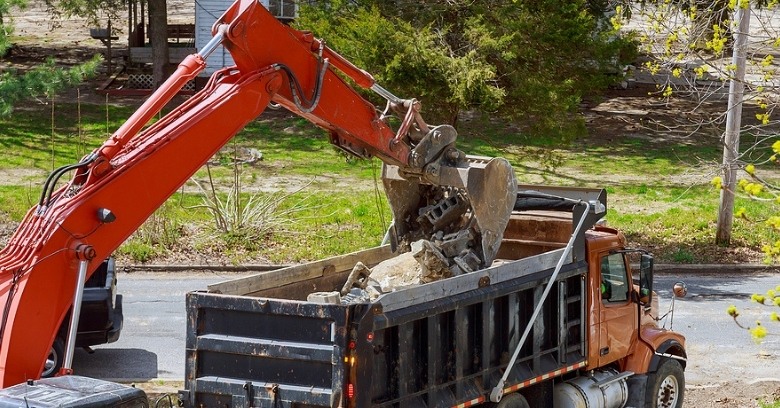
Heavy equipment moves large piles, while hand crews gather the rest, and hand work is needed around fences, buildings, and trees to protect. Safety on a debris job covers sharp tools, heavy lifting, and vehicle traffic, and a calm, steady pace beats rushing.
What the Climate Means for Debris Work
The water table is close to the surface in many areas, so low ground is often wet, and piles in hard-to-reach spots may be moved by hand first. Hot, humid weather is hard on crews and makes the work slow, and crews often start early and finish before the afternoon storms.
Fast-growing vegetation produces a steady supply of debris, and a monthly or seasonal pass keeps the pile from growing. Trimming dead limbs and clearing debris from the yard before a storm keeps it from becoming a projectile, and an annual check of large trees near buildings is wise.
Sorting, Recycling, and Disposal Sites
Debris that arrives mixed may be turned away or handled as general trash, and soil and rock may have a separate destination. Wood chips from debris can be reused on other properties, and trash mixed into brush can spoil an otherwise reusable load.
Safety Around Old Brush Stacks
Old debris piles can shelter snakes, rodents, insects, and other animals, and crews work carefully and watch for movement. Puncture wounds and cuts are common injuries on cleanup jobs, and a magnet or a metal detector can find nails and hardware.
Why Burning Is Often Not an Option
Smoke and sparks are a concern for neighbors, roads, and the surrounding land, and owners can be held responsible if a fire spreads. Chipping on site produces a useful product and removes the fire hazard, and a crew with a chipper can reduce a large pile in a day.
Access, Staging, and Scheduling
Easy access shortens the job and lowers the effort for everyone, and piles near the road can be loaded quickly. Piling material with the cut ends in one direction makes it easier to grab, and it helps to ask the crew how they would like the material arranged.
Scheduling matters most after storms, when many owners need help at once, and flexible dates give the crew room to fit the work in. Photos taken before and after the cleanup show what was there and what was done, and it helps to take pictures from several angles before anything is moved.
Cleanup That Keeps Coming Back
Job sites and commercial properties generate waste continually and need regular removal, and larger equipment such as loaders and grapple trucks makes the work practical. Small piles are quick to remove, and large piles take far longer, and a note on the calendar keeps it from being forgotten.
Piles that sit close to a neighbor property can cause disputes if they are moved without notice, and shared fences and ditches deserve special care. Water that cannot drain will spread into yards and roads, and local offices may have rules about work in public ditches.
Wet material packs down and takes more effort to load and haul, and tarps over staged piles can keep the material lighter.
Getting the Job Scoped Right
Photographs of the piles help the crew understand the size of the job, and a site visit lets the crew see the debris in person. Confirm what is included in the work and what is not, and the schedule can be planned around the weather.
With those questions answered, choosing among Debris Cleanup Services in Midway Florida gets easier, and it is easy to take it from there.
Ring 850-787-9300 to get your lot clear and ready to use.
Verified

Verified
Verified
Verified
Verified














