Comparing Eco-Friendly Mulching Services in Monticello Florida?
EZ Acre helps property owners in Monticello Florida turn brush and small trees into mulch.
Reach us at 850-787-9300 to start a conversation about your land.
Mulch as a Way to Clear and Protect
A mulch layer is any covering of plant material that sits on top of the soil, and the three most common kinds are forestry mulching, hydraulic mulching, and ordinary bed mulching. A layer of mulch keeps the sun from baking the soil and holds water near the roots, and it can keep a property looking tidy for a long time.
Anyone comparing options for Eco-Friendly Mulching Services is typically facing thick growth or exposed soil, and the question left is which method suits the property.
Forestry Mulching
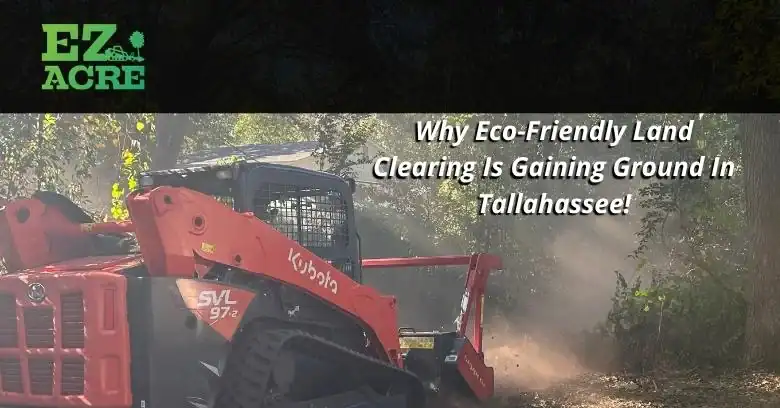
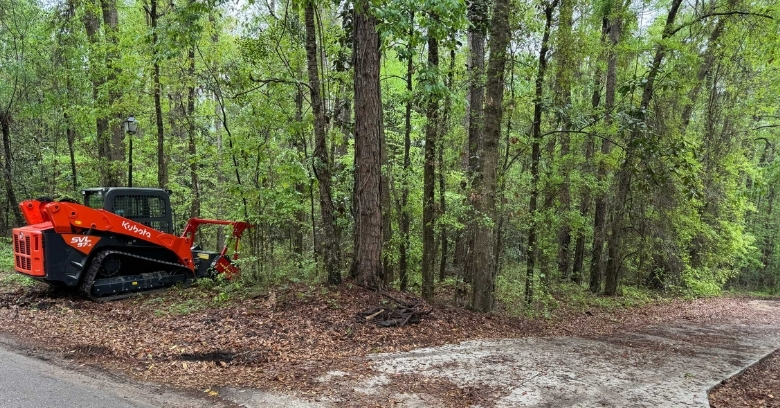
In forestry mulching, a powerful head cuts, grinds, and spreads the growth in a single pass, and the chips stay on the ground and form a protective layer. Leaving the ground largely intact is one of the main reasons owners choose mulching, and sandy soil stays in place better with the roots left in the ground.
Larger mulching heads can take trees many inches across, and smaller ones are meant for brush, and a walk through the land before the work marks what stays. The mulch left behind is a thick blanket that suppresses new growth for a time, and new grass can be seeded through a thin layer.
Hydromulch for Slopes and New Lawns
Spray-applied mulch covers large areas of soil quickly and evenly, and the fibers hold the seed in place and keep the moisture near it. Disturbed ground is vulnerable until grass grows in, and a quick covering reduces the sediment that reaches ditches and ponds.
The slurry needs a dry day or two to set before heavy rain, and water must be available on site or hauled in. The mulch only protects the soil until the grass takes over, and watering during the first weeks speeds up growth.
Gentler Ways to Clear and Cover Ground
Grinding growth into chips returns plant material to the soil as it decays, and the roots stay in the ground to hold the soil. Near streams and wetlands, leaving roots and a mulch cover reduces runoff, and buffers of untouched vegetation may be required near the water.
Organic mulch such as wood chips, pine straw, and bark is common in gardens and landscapes, and colors and textures vary with the source of the wood. Mulch made on site is a natural byproduct of the work, though it may need to age, and owners often ask the crew to leave the chips where they are useful.
Choosing the Right Machine for the Growth
The carrier machine does the driving and the head does the grinding, and larger machines tackle big trees and large acreage. A hose reaches into slopes and corners where trucks cannot drive, and the machine must be able to reach the area it will spray.
Operators and bystanders both face real hazards on a mulching job, and a clear buffer around the machine is standard. Hidden objects in the ground can damage the machine and create hazards, and marking the hazards before work begins is a good habit.
Local Conditions That Shape Mulching
Sandy ground benefits more than most from a protective cover, and a layer of mulch can make a real difference to new plantings. Summer here brings heat, humidity, and daily storms, and bare soil exposed in the wet season needs cover quickly.
Storm damage often leaves fallen trees and tangled brush that need to be cleared, and crews are in high demand after a storm, and waiting times grow. Land managers often thin and mulch vegetation to lower fire risk, and burn bans are common in dry spells.
After the Trees Are Cut
A mulching head cuts trees off at or just above the ground and leaves the stump, and stumps left in place rot slowly over several seasons. Roots that stay in the ground are the best natural defense against erosion, and steep ground still needs watching after the first heavy rain.
Chips from a mulching pass vary in size, from fine shreds to chunky pieces, and the appearance changes over time from fresh wood color to soft brown. Piling chips deeply against trees or buildings invites rot and pests, and a light pass with a rake or box blade levels the surface.
Seasonal Planning for Mulching
Wet-season rain and soft soil slow tracked machines and cause ruts, and hydraulic mulching and seeding follow a different rhythm. Regrowth is normal and does not mean the first pass was wasted, and the owner may choose a yearly visit.
Mulch is not permanent, and part of its value is that it decays into the soil, and thin patches show up first near edges and on slopes. Homeowners in fire-prone areas are advised to use a noncombustible zone near the foundation, and a little planning gives the benefit of mulch with lower risk.
Choosing Between Mulching Types
Overgrown acreage that needs to be opened up calls for a grinding machine, and the two methods often follow each other on the same property. Clearing first and covering second is a common order on land that will become lawn or pasture, and owners should ask how the pieces fit together.
Bed mulching suits yards, gardens, and the areas around new plantings, and the material can be delivered in bulk or made from cleared growth. The best starting point is what you want the land to look like afterward, and it helps to have a picture in mind of the finished property.
Sharing the Land With Animals
Thick brush shelters animals that nest, burrow, and hide in the growth, and the best time to ask is before the machine starts. Nesting season is the time of year when clearing needs the most care, and leaving a strip of untouched growth gives animals a place to go.
What to Settle First
Flagging tape or stakes help define the limits of the work, and it helps to know where utilities, wells, and septic fields are located. Locating buried utilities before any machine goes on the ground is a standard step, and the owner and the crew start with the same expectations.
A clear idea of the goal for the land makes Eco-Friendly Mulching Services in Monticello Florida simple to narrow down, and a few minutes on the phone is enough to start.
Phone 850-787-9300 to talk about mulching your land.
Verified

Verified
Verified
Verified
Verified