Researching Forestry Mulching Services in Quincy Florida?
EZ Acre handles mulching jobs on lots and acreage around Quincy Florida.
Dial 850-787-9300 to start a conversation about your land.
The Basics of the Practice
Mulching is the practice of covering ground with a layer of organic material or of grinding vegetation into chips, and the three most common kinds are forestry mulching, hydraulic mulching, and ordinary bed mulching. A layer of mulch keeps the sun from baking the soil and holds water near the roots, and owners use it to protect land that has just been disturbed.
People looking up Forestry Mulching Services usually have a clear idea of the result they want, and the rest of this page explains the main types and the details that matter.
Mulching as a Clearing Method
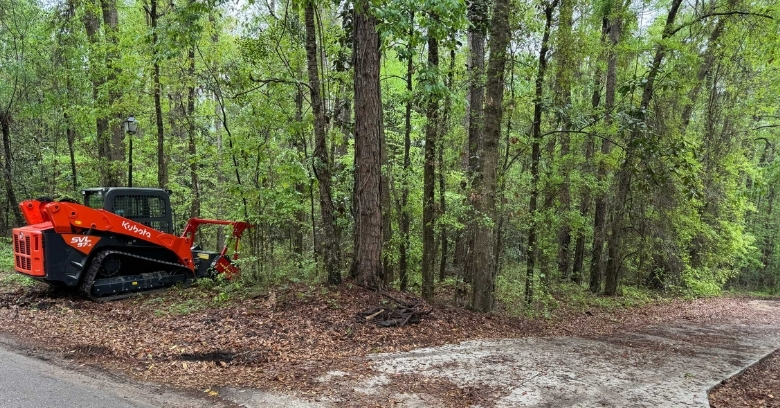
The mulching head spins at high speed and reduces brush, saplings, and even sizable trees to chips, and it works on thick brush, vines, palmetto, and small to medium trees. Because the roots stay in the ground, the soil holds together better than after a bulldozer clearing, and the mulch layer protects the surface from the next rain.
Machines vary in power, and the thickness of the growth determines which one is needed, and the result is a clean, open, park-like look. The mulch left behind is a thick blanket that suppresses new growth for a time, and the chips can be left as they are on wild land.
Hydromulch for Slopes and New Lawns
In hydraulic mulching, a machine pumps a wet blend of fiber and seed onto the surface, and the fibers hold the seed in place and keep the moisture near it. A slope stripped of vegetation can lose soil quickly in a heavy rain, and a quick covering reduces the sediment that reaches ditches and ponds.
Planting season and rainfall both shape the timing of a spray job, and water must be available on site or hauled in. The mulch only protects the soil until the grass takes over, and owners should ask what seed is in the mix.
Eco-Friendly Mulching Practices
Grinding growth into chips returns plant material to the soil as it decays, and the mulch layer shelters the soil from sun and rain. Care near water is a legal requirement in many cases, not only a preference, and the plan should explain how the soil will be protected.
Organic mulch such as wood chips, pine straw, and bark is common in gardens and landscapes, and it keeps roots cool, holds water, and slows weeds. Using fresh chips from a clearing job as landscape mulch saves effort, and aged chips are better for gardens than fresh ones.
Machines Behind the Work
Mulching heads attach to heavy machines that are strong enough to turn the drum at high speed, and operators can work close to structures and fences with the right setup. The machine blends water, mulch, and seed and sprays the mix through a hose or a boom, and the size of the tank decides how many acres a load covers.
The area around a working mulcher is no place for spectators, and nearby buildings, vehicles, and fences need protection from thrown material. Metal and stone strike the teeth and can fly out at high speed, and owners should point out anything they know is buried.
Working the Land in Quincy Florida
Sandy ground benefits more than most from a protective cover, and returning chips to the ground builds organic matter slowly. Summer here brings heat, humidity, and daily storms, and machines can bog down in saturated ground, so dry spells are the best window.
After a hurricane, mulching is one way to deal with a large volume of vegetation on site, and clearing storm debris promptly keeps the yard safe and usable. Thinning understory growth reduces the fuel available to a fire, and burn bans are common in dry spells.
Roots, Chips, and Bare Soil
Stumps remain after mulching, usually cut low and often ground down as part of the pass, and stumps left in place rot slowly over several seasons. The root mass under a cleared slope binds the soil together while new growth starts, and steep ground still needs watching after the first heavy rain.
Chips from a mulching pass vary in size, from fine shreds to chunky pieces, and the rough texture makes the layer stay in place. Excess mulch on a cleared lot can be raked or spread thin, and a light pass with a rake or box blade levels the surface.
When Mulching Works Best
The dry months are the most dependable time for heavy mulching equipment, and new seed needs rain after the application, but not a flood. Fast-growing plants resprout from the roots left in the ground, and a follow-up pass is part of the plan for many properties.
A mulched bed or path should be topped up every year or two, and thin patches show up first near edges and on slopes. Local fire rules sometimes limit the amount of mulch near buildings, and gravel or bare ground near the walls is a safe choice.
Choosing the Method for the Property
Forestry mulching is the choice when the problem is thick growth that has to come out, and hydraulic mulching is the choice when the problem is bare soil that needs cover. Clearing first and covering second is a common order on land that will become lawn or pasture, and a gap between clearing and cover is a window for erosion.
Bed mulching suits yards, gardens, and the areas around new plantings, and the appearance is a bonus on top of the benefits to the plants. Asking the right question at the start saves time, and the conversation goes fastest when the goal is clear.
Protecting Habitat During the Work
Wooded and overgrown land is home to birds, reptiles, and small mammals, and the best time to ask is before the machine starts. Nesting season is the time of year when clearing needs the most care, and responsible work treats the land as more than a pile of material.
Planning Your Mulching Project
A clear boundary and a plan for the work area prevent disputes and mistakes, and a plan on paper keeps the crew and the owner on the same page. The details of access, permits, and disposal should be settled before the job starts, and the owner and the crew start with the same expectations.
Once you know what you want covered or cleared, Forestry Mulching Services in Quincy Florida is a short list, and the details are quick to confirm.
Dial 850-787-9300 when you are ready to plan a mulching project.
Verified

Verified
Verified
Verified
Verified