Researching Hydraulic Mulching Contractor in Quincy Florida?
EZ Acre handles mulching jobs on lots and acreage around Quincy Florida.
Phone 850-787-9300 to start a conversation about your land.
The Basics of the Practice
On a property, mulching usually means grinding or spreading plant material so it protects the soil, and the right type depends on whether the goal is clearing, erosion control, or protection. Covered soil loses less water to the sun and the wind, and it can keep a property looking tidy for a long time.
A search for Hydraulic Mulching Contractor often starts with an overgrown lot or a freshly disturbed slope, and knowing the options makes it easier to ask good questions.
Grinding Brush and Trees in Place
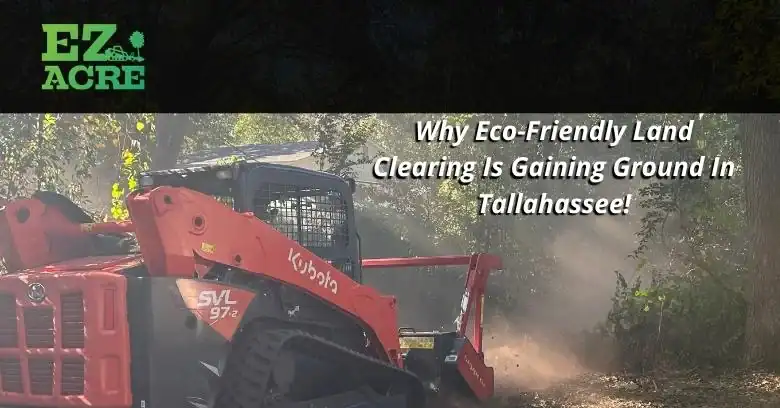
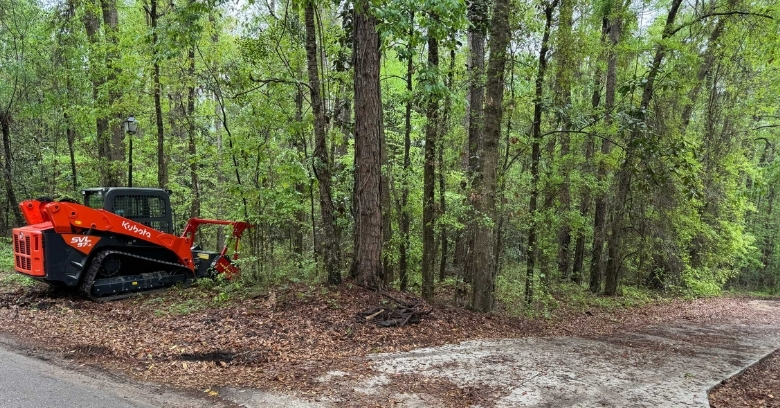
The mulching head spins at high speed and reduces brush, saplings, and even sizable trees to chips, and one machine does the work that once took a crew with saws, a chipper, and a truck. Because the roots stay in the ground, the soil holds together better than after a bulldozer clearing, and sandy soil stays in place better with the roots left in the ground.
The size of material a mulcher can handle depends on the machine, and the result is a clean, open, park-like look. The mulch left behind is a thick blanket that suppresses new growth for a time, and a thick layer may need to be raked near buildings.
Hydraulic Mulching
The hydraulic method mixes water with mulch and a binder in a tank and sprays it across the soil, and the method covers acres in a day where hand spreading would take weeks. A slope stripped of vegetation can lose soil quickly in a heavy rain, and sites that have been graded often get hydromulch within days.
The slurry needs a dry day or two to set before heavy rain, and some mixes include fertilizer to help the grass start. Seed that suits the soil and the sun grows into a lasting cover, and owners should ask what seed is in the mix.
Keeping Organic Matter on the Property
Grinding growth into chips returns plant material to the soil as it decays, and the mulch layer shelters the soil from sun and rain. Land close to water calls for methods that keep soil in place, and the plan should explain how the soil will be protected.
Natural mulch has a long track record as a way to protect soil, and mulch should not be piled against trunks or house walls. Using fresh chips from a clearing job as landscape mulch saves effort, and extra chips can be stacked for later use.
Machines Behind the Work
A tracked mulcher can work on soft ground that would stop a wheeled machine, and the choice depends on the site and the size of the job. Hydraulic mulching uses a trailer or truck with a mixing tank and a spray gun, and the size of the tank decides how many acres a load covers.
Safety is a big part of mulching work because the cutting head is powerful, and nearby buildings, vehicles, and fences need protection from thrown material. A walk-through before the work reveals many of the surprises, and marking the hazards before work begins is a good habit.
Local Conditions That Shape Mulching
Sandy ground benefits more than most from a protective cover, and mulching can help new lawns and trees get a start. Rain and heat are the two main drivers of the schedule, and schedules should always include some room for weather.
After a hurricane, mulching is one way to deal with a large volume of vegetation on site, and a mulched lot is easier to inspect for damage. Dense brush can also feed wildfires in dry seasons, and the mulch layer left behind is less flammable than standing brush.
After the Trees Are Cut
A mulching head cuts trees off at or just above the ground and leaves the stump, and building areas generally need stumps and large roots removed. Leaving roots intact means rainfall has less power to carry soil away, and the chip layer adds another layer of protection.
Chips from a mulching pass vary in size, from fine shreds to chunky pieces, and aging in place lets the layer settle and mellow. Mulch depth matters, and too much can be as much of a problem as too little, and chips piled in one spot can be moved for use elsewhere.
Seasonal Planning for Mulching
Dry weather lets the operator work safely and cleanly on most ground, and hydraulic mulching and seeding follow a different rhythm. Regrowth is normal and does not mean the first pass was wasted, and a managed property stays open with little effort.
Wood chips decay, and the layer thins a little each season, and thin patches show up first near edges and on slopes. A clear gap around a house is a common wildfire recommendation, and it helps to ask local fire officials about the recommendations for the area.
A Simple Way to Decide
Forestry mulching is the choice when the problem is thick growth that has to come out, and erosion control on bare ground is the main reason for spray application. Using the two together turns wild growth into a stable, planted surface, and timing the second step soon after the first is wise.
Bed mulching suits yards, gardens, and the areas around new plantings, and it usually needs a topping-up each year or two. Asking the right question at the start saves time, and it helps to think about how the land will be used over the next year.
Sharing the Land With Animals
Brush that looks empty can be full of life, especially in spring and early summer, and the crew can pause or adjust the work for a nest or a den. Cutting during the main nesting months can destroy active nests and young birds, and the mulcher should be stopped if a nest is found.
Questions to Settle Before Work Begins
Start by marking the area to be mulched and describing the growth, and it helps to photograph the property before work begins. Make sure everyone knows what is included in the work and what is not, and there are no surprises when the crew arrives.
Once you know what you want covered or cleared, Hydraulic Mulching Contractor in Quincy Florida is a short list, and the next step is a conversation about your property.
Ring 850-787-9300 when you are ready to plan a mulching project.
Verified

Verified
Verified
Verified
Verified