Comparing Hydraulic Mulching Services in Quincy Florida?
EZ Acre works on mulching and land preparation for properties in and around Quincy Florida.
Phone 850-787-9300 to go over the size of the area and the kind of vegetation.
Mulch as a Way to Clear and Protect
Mulching is the practice of covering ground with a layer of organic material or of grinding vegetation into chips, and the right type depends on whether the goal is clearing, erosion control, or protection. Covered soil loses less water to the sun and the wind, and mulching is a common step after clearing and planting.
A search for Hydraulic Mulching Services often starts with an overgrown lot or a freshly disturbed slope, and the next step is understanding which kind of mulching fits.
Forestry Mulchers Explained
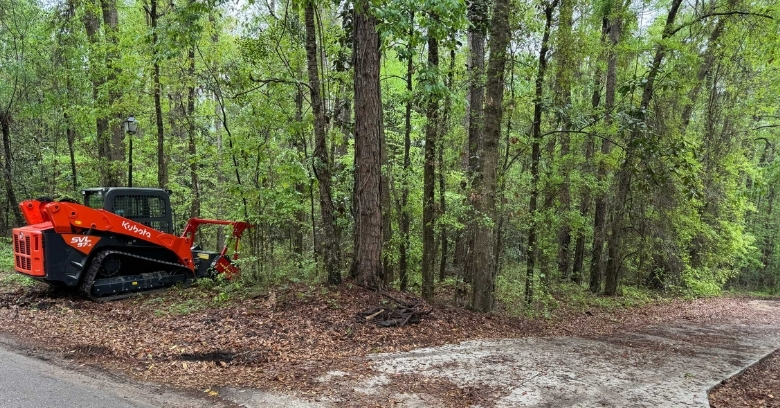
The mulching head spins at high speed and reduces brush, saplings, and even sizable trees to chips, and it works on thick brush, vines, palmetto, and small to medium trees. The root systems of cut plants stay in place and keep the soil from washing away, and sandy soil stays in place better with the roots left in the ground.
The diameter of the trees is a key detail in planning a mulching job, and a walk through the land before the work marks what stays. A mulched lot has a soft, brown surface instead of bare soil, and the chips can be left as they are on wild land.
Hydromulch for Slopes and New Lawns
The hydraulic method mixes water with mulch and a binder in a tank and sprays it across the soil, and it is used on slopes, new lawns, roadsides, and freshly graded sites. A slope stripped of vegetation can lose soil quickly in a heavy rain, and rules for construction sites frequently require erosion control.
Planting season and rainfall both shape the timing of a spray job, and some mixes include fertilizer to help the grass start. Seed that suits the soil and the sun grows into a lasting cover, and watering during the first weeks speeds up growth.
Mulching With the Soil in Mind
Mulching keeps organic matter on the property instead of sending it away, and the roots stay in the ground to hold the soil. Care near water is a legal requirement in many cases, not only a preference, and owners should ask about local rules before work begins.
Plant-based materials break down and improve the soil over time, and a depth of a few inches is enough for most beds. Fresh chips are best left to age a while before they are placed near delicate plants, and owners often ask the crew to leave the chips where they are useful.
Mulching Equipment and Methods
The carrier machine does the driving and the head does the grinding, and smaller units handle brush and vines in tight spaces. A hydroseeder is a tank on wheels with an agitator and a pump, and operators work in passes to cover the area evenly.
Safety is a big part of mulching work because the cutting head is powerful, and nearby buildings, vehicles, and fences need protection from thrown material. Metal and stone strike the teeth and can fly out at high speed, and a careful survey saves equipment and prevents accidents.
What the Climate Means for Mulching Work
Much of the ground in this region is light, sandy, and low in organic matter, and a covered surface stays cooler in the summer sun. Summer here brings heat, humidity, and daily storms, and schedules should always include some room for weather.
Tropical systems topple trees and scatter limbs across properties, and clearing weak trees and brush ahead of the season reduces what a storm can do. Thick underbrush is fuel, and dry spells make fires more likely, and a clear zone around buildings is a common recommendation.
What Is Left Behind and How It Behaves
After the trunk is ground, the stump and roots stay in the soil to decay, and stumps to be removed completely are handled with a dedicated stump grinder. On hills and banks, intact roots are the reason mulching is preferred to scraping, and steep ground still needs watching after the first heavy rain.
Chips from a mulching pass vary in size, from fine shreds to chunky pieces, and a thick mat of fresh chips can tie up nitrogen briefly as it decomposes. A layer a few inches thick works well on most ground, but a thick pile smothers new growth, and a light pass with a rake or box blade levels the surface.
Scheduling Around the Weather
Timing a forestry job for dry weather protects both the land and the schedule, and planting too early in a dry spell wastes seed. Growth comes back quickly after mulching in a warm, wet climate, and a follow-up pass is part of the plan for many properties.
A mulched bed or path should be topped up every year or two, and weeds that sprout through a thin layer are pulled early. A clear gap around a house is a common wildfire recommendation, and a little planning gives the benefit of mulch with lower risk.
Choosing Between Mulching Types
Forestry mulching is the choice when the problem is thick growth that has to come out, and erosion control on bare ground is the main reason for spray application. Many projects use both methods in sequence, and a gap between clearing and cover is a window for erosion.
Bed mulching suits yards, gardens, and the areas around new plantings, and it keeps roots cool, holds water, and slows weeds. Telling the crew whether the aim is clearing, cover, or decoration points to the right service, and it helps to have a picture in mind of the finished property.
Protecting Habitat During the Work
Brush that looks empty can be full of life, especially in spring and early summer, and a walk through the area before the cut shows many of the signs. Many property owners schedule mulching and clearing for the late fall and winter, and a short survey of the land by a person who knows the area is useful.
What to Settle First
Walk the property and decide which areas will be mulched and which will stay untouched, and it helps to know where utilities, wells, and septic fields are located. The details of access, permits, and disposal should be settled before the job starts, and changes are easier to handle on paper than in the field.
With those questions answered, choosing among Hydraulic Mulching Services in Quincy Florida gets easier, and a few minutes on the phone is enough to start.
Call 850-787-9300 to get your lot ready for its next use.
Verified

Verified
Verified
Verified
Verified