Comparing Eco-Friendly Mulching in Tallahassee Florida?
EZ Acre offers mulching work for property owners in Tallahassee Florida.
Ring 850-787-9300 to go over the size of the area and the kind of vegetation.
One Word, Several Kinds of Work
A mulch layer is any covering of plant material that sits on top of the soil, and each has its own equipment, its own purpose, and its own best season. Mulch works by covering the ground so that water stays in and weeds stay out, and owners use it to protect land that has just been disturbed.
Anyone comparing options for Eco-Friendly Mulching is typically facing thick growth or exposed soil, and the question left is which method suits the property.
Grinding Brush and Trees in Place
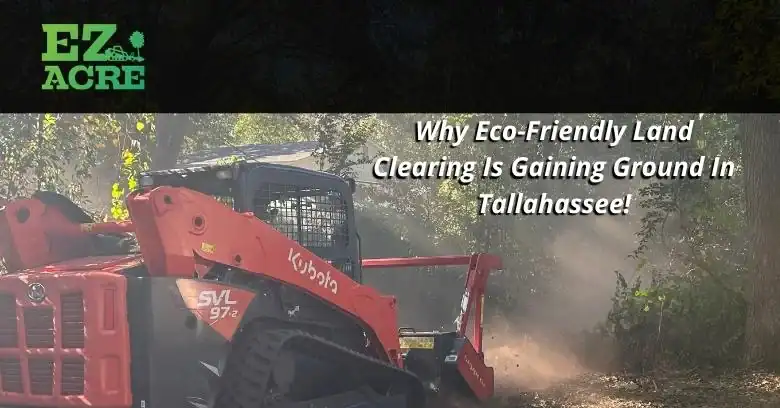
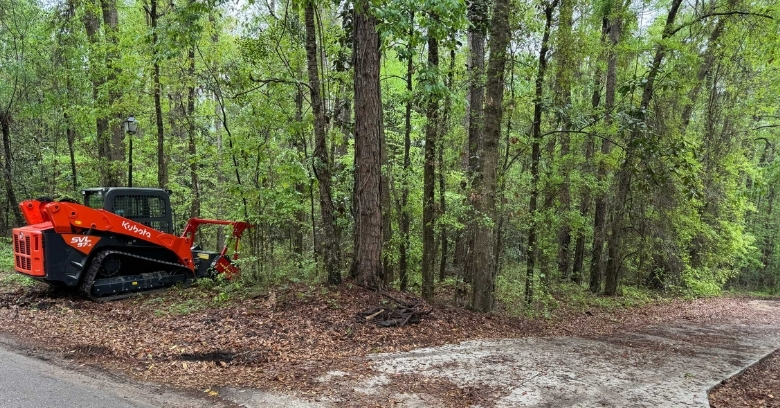
In forestry mulching, a powerful head cuts, grinds, and spreads the growth in a single pass, and it works on thick brush, vines, palmetto, and small to medium trees. The machine rolls over the ground rather than scraping it, and it is often chosen for slopes, wet edges, and land near water.
Machines vary in power, and the thickness of the growth determines which one is needed, and the operator can leave chosen trees standing while clearing around them. The mulch left behind is a thick blanket that suppresses new growth for a time, and a thick layer may need to be raked near buildings.
Spray-On Mulch Explained
The hydraulic method mixes water with mulch and a binder in a tank and sprays it across the soil, and a green dye often shows where the spray has been applied. Disturbed ground is vulnerable until grass grows in, and sites that have been graded often get hydromulch within days.
Planting season and rainfall both shape the timing of a spray job, and water must be available on site or hauled in. Seed that suits the soil and the sun grows into a lasting cover, and watering during the first weeks speeds up growth.
Keeping Organic Matter on the Property
Mulch made from cleared brush stays on the land and feeds the soil over time, and nothing leaves the property except what the owner chooses to send away. Care near water is a legal requirement in many cases, not only a preference, and a careful crew will mark the line it will not cross.
Wood-based mulch is both attractive and useful around plants, and a depth of a few inches is enough for most beds. Wood chips from clearing are a practical covering for trails, bare ground, and steep banks, and aged chips are better for gardens than fresh ones.
Machines Behind the Work
Different machines suit different terrain and different density of growth, and operators can work close to structures and fences with the right setup. A hydroseeder is a tank on wheels with an agitator and a pump, and steep slopes can be sprayed from the bottom with a long hose.
A mulching head can throw chips, rocks, and debris a long way, and the operator works from a protected cab. Metal and stone strike the teeth and can fly out at high speed, and marking the hazards before work begins is a good habit.
Sandy Soil, Wet Seasons, and Storms Around Tallahassee Florida
Sandy ground benefits more than most from a protective cover, and mulching can help new lawns and trees get a start. The wet season runs through the summer with frequent heavy rain, and schedules should always include some room for weather.
After a hurricane, mulching is one way to deal with a large volume of vegetation on site, and grinding the material in place can be faster than hauling it away. Dense brush can also feed wildfires in dry seasons, and a clear zone around buildings is a common recommendation.
Holding the Ground in Place
Mulching removes everything above the ground and leaves the root system in place, and stumps to be removed completely are handled with a dedicated stump grinder. Roots that stay in the ground are the best natural defense against erosion, and steep ground still needs watching after the first heavy rain.
Freshly ground chips are uneven and can contain splinters and long strands, and the rough texture makes the layer stay in place. Mulch depth matters, and too much can be as much of a problem as too little, and a light pass with a rake or box blade levels the surface.
Scheduling Around the Weather
Wet-season rain and soft soil slow tracked machines and cause ruts, and planting too late can leave bare ground exposed to the storms. Regrowth is normal and does not mean the first pass was wasted, and the owner may choose a yearly visit.
Wood chips decay, and the layer thins a little each season, and thin patches show up first near edges and on slopes. Homeowners in fire-prone areas are advised to use a noncombustible zone near the foundation, and chips are better used farther out on the property.
Choosing the Method for the Property
Overgrown acreage that needs to be opened up calls for a grinding machine, and the two methods often follow each other on the same property. A property may be cleared by mulching and then seeded with a hydraulic application, and timing the second step soon after the first is wise.
Spreading wood chips or bark around trees and shrubs is the simplest and most familiar form of mulching, and a thin edge along the lawn keeps the bed neat. Asking the right question at the start saves time, and it helps to mention any slopes, wet spots, or neighbors close to the work.
Mulching and the Creatures That Live There
Thick brush shelters animals that nest, burrow, and hide in the growth, and the crew can pause or adjust the work for a nest or a den. Cutting during the main nesting months can destroy active nests and young birds, and the mulcher should be stopped if a nest is found.
Preparing for a Mulching Job
A clear boundary and a plan for the work area prevent disputes and mistakes, and a site visit lets the crew see the land in person. Ask who handles permits, utility locates, and any debris that will not be mulched, and changes are easier to handle on paper than in the field.
With those questions answered, choosing among Eco-Friendly Mulching in Tallahassee Florida gets easier, and the next step is a conversation about your property.
Ring 850-787-9300 to talk about mulching your land.
Verified

Verified
Verified
Verified
Verified