

Planning Land Management Debris Removal Company in The Florida Panhandle?
EZ Acre is a land services business that clears debris for property owners in The Florida Panhandle.
Ring 850-787-9300 to talk through what needs to be cleared away.
The Basics of Debris Cleanup
Removal work turns a messy site into clear ground by getting rid of what was left behind, and the type of debris decides the equipment and the disposal method. Property owners call for debris removal after storms, building work, and long periods of overgrowth, and no two cleanup jobs are alike.
People looking up Land Management Debris Removal Company usually know what they want gone and need a way to move it, and the next step is understanding how debris is handled.
Clearing Hurricane and Storm Damage
Hurricane season runs from June through November, and a storm can leave a property buried in limbs and fallen trees, and the volume of material can overwhelm a homeowner with a chain saw. Local governments often organize debris collection after a major storm, and asking early avoids confusion later.
The most dangerous part of storm cleanup is not the heavy material but the hidden hazards, and fatigue and heat make mistakes more likely after a storm. Damaged trees need to be inspected before anyone works beneath them, and it helps to plan the cut so the tree falls where it does no harm.
Brush and Yard Waste
Overgrown yards generate large amounts of brush, vines, and cut trees, and the bulk is the main problem, because green material takes up a lot of space. Cleaning up a neglected yard often starts with cutting back and bagging, and the debris should be piled where the truck can reach it.
Local waste programs often limit the size, weight, and length of bundled brush, and a call to the county before the work begins helps avoid problems. Grinding on site is a practical choice for large amounts of woody waste, and the owner can decide whether to keep the chips or have them hauled.
Leftovers From Work on the Property
Clearing a lot produces more debris than most owners expect, and each choice has its own rules and effort. Project debris is a mix of materials that may need to be sorted for disposal, and the contractor and the owner should agree on who handles cleanup.
Paint, solvents, chemicals, batteries, and treated wood often need special handling, and hauling companies ask about hazardous items before they load. Disposal sites follow different rules, and some have limits on load size, and material that is clean and separate is welcome at more sites.
How Cleanup Crews Work
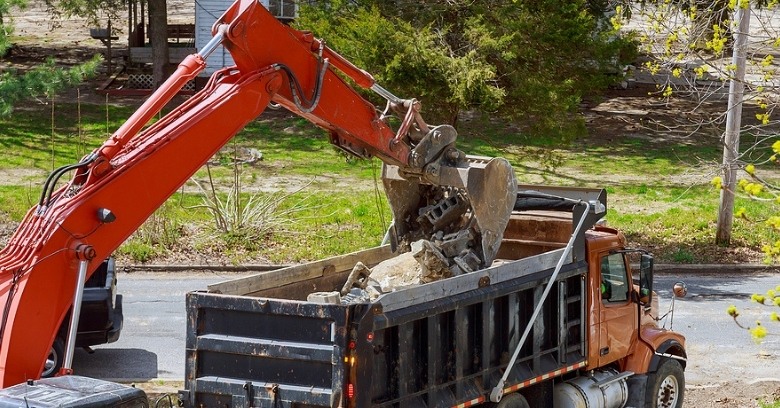
Heavy equipment moves large piles, while hand crews gather the rest, and hand work is needed around fences, buildings, and trees to protect. Chain saws, falling limbs, and heavy loads are the main sources of injury, and it helps to ask the crew where to stand and what to avoid.
Ground and Weather Around The Florida Panhandle
Trucks and loaders need firm ground, and a rainy week can make access difficult, and dry weather is the best window for hauling. The wet season runs through the summer with frequent heavy rain, and schedules should include room for weather.
Brush that is trimmed now will grow back within a season, and trimming before storm season reduces what a storm can drop. Removing loose material and cutting weak branches ahead of the season is a common precaution, and an annual check of large trees near buildings is wise.
Where Debris Ends Up
Separating wood, brush, soil, metal, and trash lets each type go to the right place, and soil and rock may have a separate destination. Wood chips from debris can be reused on other properties, and asking where the crew takes the material is a fair question.
Pests, Snakes, and Sharp Surprises
Old debris piles can shelter snakes, rodents, insects, and other animals, and gloves, boots, and long pants are the minimum for anyone handling it. Sharp metal, nails, and glass hide in debris from buildings and storms, and a magnet or a metal detector can find nails and hardware.
Why Burning Is Often Not an Option
Dry spells often bring burn bans that stop all outdoor fires, and the rules often differ between the city and the county. Chipping on site produces a useful product and removes the fire hazard, and planning ahead for disposal avoids the temptation to burn.
Access, Staging, and Scheduling
Easy access shortens the job and lowers the effort for everyone, and piles in the back of a lot may need a loader or a long haul. Staging debris in one place before the crew arrives speeds up the job, and it helps to keep pets and children away from the staged piles.
Early in the season there is more flexibility than in the weeks after a storm, and less urgent cleanup may wait a few weeks. Keeping a simple record of the job is a good habit, and it helps to keep receipts from the disposal sites.
When One Pickup Is Not Enough
Big lots need a plan, since debris is scattered and the hauling distances are long, and several loads a day may be needed over a number of days. Small piles are quick to remove, and large piles take far longer, and vacant land that is left alone fills up fast.
Debris near property lines and shared fences needs a little extra thought, and it helps to clear communication keeps a small matter from growing. Clearing the flow path of brush and limbs is a quiet but important kind of cleanup, and a clear ditch is one of the simplest protections against flooding.
Wet material packs down and takes more effort to load and haul, and tarps over staged piles can keep the material lighter.
Getting the Job Scoped Right
A clear description of the debris and where it sits makes the job simpler, and gates, fences, and low branches can block the way. Check the local rules on disposal, since some materials must be sorted, and there are no surprises when the crew arrives.
Everything above comes down to one decision, and Land Management Debris Removal Company in The Florida Panhandle is where you make it, and a few minutes on the phone is enough to start.
Call 850-787-9300 to talk about debris removal for your property.














