Getting ready for Eco-Friendly Mulching Services in The Florida Panhandle?
EZ Acre is a land services business that does mulching work in The Florida Panhandle.
Ring 850-787-9300 to ask how a mulching project like yours is usually handled.
Turning Growth Into Mulch
A mulch layer is any covering of plant material that sits on top of the soil, and each has its own equipment, its own purpose, and its own best season. Mulch works by covering the ground so that water stays in and weeds stay out, and owners use it to protect land that has just been disturbed.
Anyone comparing options for Eco-Friendly Mulching Services is typically facing thick growth or exposed soil, and the rest of this page explains the main types and the details that matter.
Grinding Brush and Trees in Place
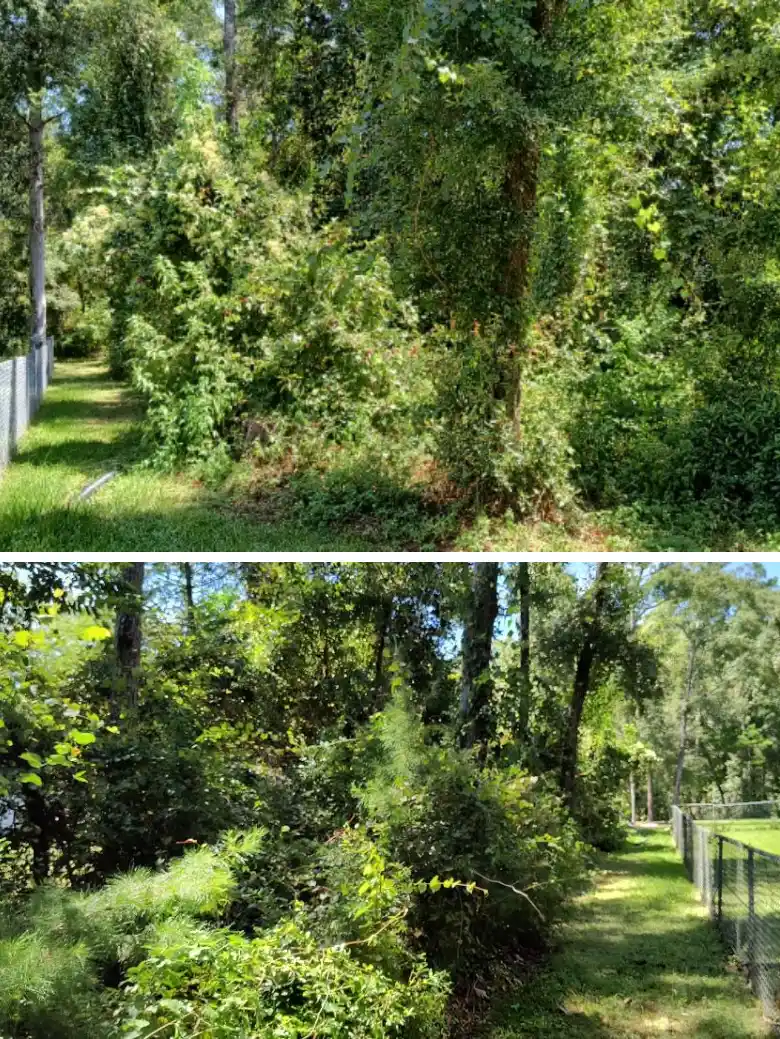
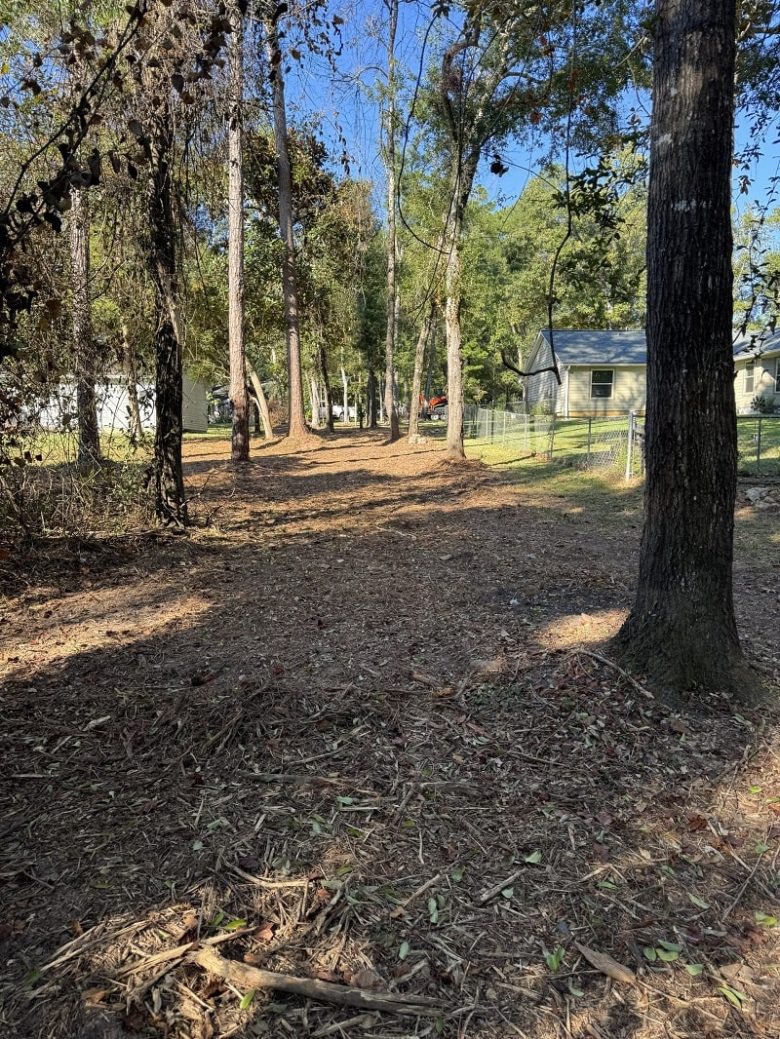
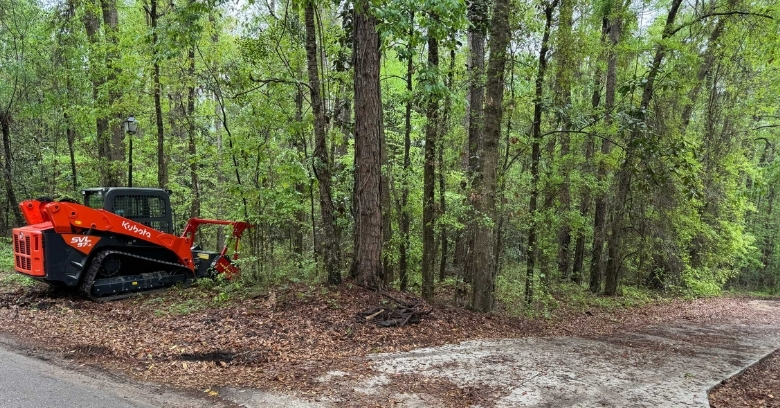
In forestry mulching, a powerful head cuts, grinds, and spreads the growth in a single pass, and the chips stay on the ground and form a protective layer. Forestry mulching disturbs the soil less than pushing and piling does, and it is often chosen for slopes, wet edges, and land near water.
The diameter of the trees is a key detail in planning a mulching job, and selective mulching clears the understory and keeps the shade trees. Mulching leaves a layer of chips that can be several inches deep, and the layer slows weeds and holds moisture.
Spray-On Mulch Explained
The hydraulic method mixes water with mulch and a binder in a tank and sprays it across the soil, and it is used on slopes, new lawns, roadsides, and freshly graded sites. Hydromulch protects soil while seed sprouts and roots take hold, and good timing matters, since a storm can arrive before the cover does.
Planting season and rainfall both shape the timing of a spray job, and water must be available on site or hauled in. A mix chosen for local conditions establishes faster, and watering during the first weeks speeds up growth.
Leaving the Land in Better Shape
Leaving chips in place recycles nutrients that would otherwise be hauled to a landfill, and the roots stay in the ground to hold the soil. On environmentally sensitive ground, mulching with less soil disturbance is usually preferred, and owners should ask about local rules before work begins.
Wood-based mulch is both attractive and useful around plants, and a depth of a few inches is enough for most beds. Wood chips from clearing are a practical covering for trails, bare ground, and steep banks, and aged chips are better for gardens than fresh ones.
Machines Behind the Work
Forestry mulchers are mounted on skid steers, tracked carriers, or excavators, and the choice depends on the site and the size of the job. Hydroseeding equipment ranges from small trailers to large trucks, and access to the site and a supply of water are part of the planning.
Machines that grind trees and brush are heavy and loud, and the operator works from a protected cab. A walk-through before the work reveals many of the surprises, and fixed objects like wells and posts need flags.
What the Climate Means for Mulching Work
Sandy ground benefits more than most from a protective cover, and the benefit is greatest in the dry months. Summer here brings heat, humidity, and daily storms, and bare soil exposed in the wet season needs cover quickly.
Hurricane season runs from June through November and brings storms that fell trees and fill yards with debris, and clearing storm debris promptly keeps the yard safe and usable. Mulching reduces the thick tangle of dead and living growth that burns, and local fire agencies publish guidance for owners.
Roots, Chips, and Bare Soil
After the trunk is ground, the stump and roots stay in the soil to decay, and building areas generally need stumps and large roots removed. A slope held by living and dead roots keeps its shape much better than bare soil, and new seed can be sown straight into the mulch.
Mulch from a field machine is rougher than the bagged mulch sold for flower beds, and the rough texture makes the layer stay in place. A layer a few inches thick works well on most ground, but a thick pile smothers new growth, and owners can ask for the layer to be spread evenly.
Scheduling Around the Weather
The dry months are the most dependable time for heavy mulching equipment, and new seed needs rain after the application, but not a flood. Growth comes back quickly after mulching in a warm, wet climate, and the owner may choose a yearly visit.
Wood chips decay, and the layer thins a little each season, and raking and fluffing the surface helps it shed water. Fire safety belongs in any plan for dry mulch near buildings, and a little planning gives the benefit of mulch with lower risk.
Matching the Method to the Goal
Forestry mulching is the choice when the problem is thick growth that has to come out, and hydraulic mulching is the choice when the problem is bare soil that needs cover. Forestry work opens the ground, and the hydraulic spray then protects it, and a gap between clearing and cover is a window for erosion.
Bed mulching suits yards, gardens, and the areas around new plantings, and it usually needs a topping-up each year or two. Telling the crew whether the aim is clearing, cover, or decoration points to the right service, and talk about how much time you have for the work.
Mulching and the Creatures That Live There
Thick brush shelters animals that nest, burrow, and hide in the growth, and some species and their burrows are protected by law. Cutting during the main nesting months can destroy active nests and young birds, and leaving a strip of untouched growth gives animals a place to go.
Planning Your Mulching Project
A clear boundary and a plan for the work area prevent disputes and mistakes, and it helps to discuss trees to keep, trees to remove, and any areas to avoid. Make sure everyone knows what is included in the work and what is not, and changes are easier to handle on paper than in the field.
Everything above comes down to one decision, and Eco-Friendly Mulching Services in The Florida Panhandle is where you make it, and the details are quick to confirm.
Call 850-787-9300 to start planning the work.