Looking into Forestry Mulching Company in The Florida Panhandle?
EZ Acre helps property owners in The Florida Panhandle turn brush and small trees into mulch.
Ring 850-787-9300 to go over the size of the area and the kind of vegetation.
What Mulching Means on Land
Mulching can mean cutting standing growth into chips or laying a cover of material over exposed ground, and the right type depends on whether the goal is clearing, erosion control, or protection. Mulch holds moisture, shades the soil, and slows weeds, and it helps new grass and new plants get established.
That is the need behind many searches for Forestry Mulching Company, and the question left is which method suits the property.
Grinding Brush and Trees in Place
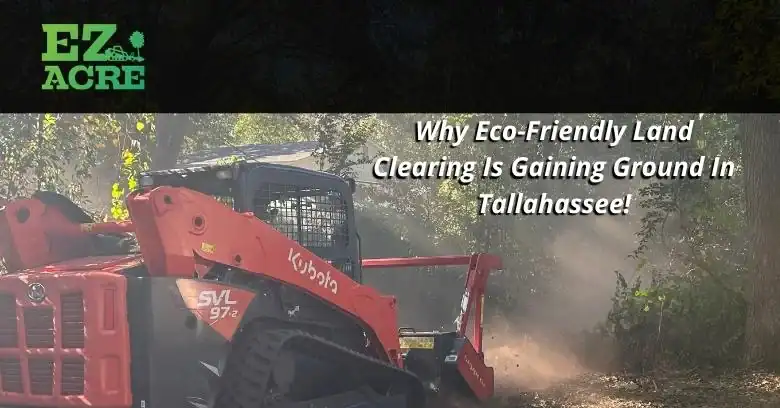
In forestry mulching, a powerful head cuts, grinds, and spreads the growth in a single pass, and the chips stay on the ground and form a protective layer. Leaving the ground largely intact is one of the main reasons owners choose mulching, and fewer ruts and less bare soil mean less cleanup afterward.
Light brush and vines are easy work, but big hardwoods call for a heavy machine, and the operator can leave chosen trees standing while clearing around them. Mulching leaves a layer of chips that can be several inches deep, and the chips can be left as they are on wild land.
Hydromulch for Slopes and New Lawns
The hydraulic method mixes water with mulch and a binder in a tank and sprays it across the soil, and the method covers acres in a day where hand spreading would take weeks. A slope stripped of vegetation can lose soil quickly in a heavy rain, and sites that have been graded often get hydromulch within days.
Planting season and rainfall both shape the timing of a spray job, and some mixes include fertilizer to help the grass start. Seed that suits the soil and the sun grows into a lasting cover, and new grass needs time before it can take foot traffic.
Eco-Friendly Mulching Practices
Leaving chips in place recycles nutrients that would otherwise be hauled to a landfill, and fewer trucks and less hauling mean less fuel burned and less traffic. Gentler methods suit land near wetlands, ponds, and wildlife habitat, and buffers of untouched vegetation may be required near the water.
Natural mulch has a long track record as a way to protect soil, and a depth of a few inches is enough for most beds. Wood chips from clearing are a practical covering for trails, bare ground, and steep banks, and a thick layer on paths keeps mud down.
Choosing the Right Machine for the Growth
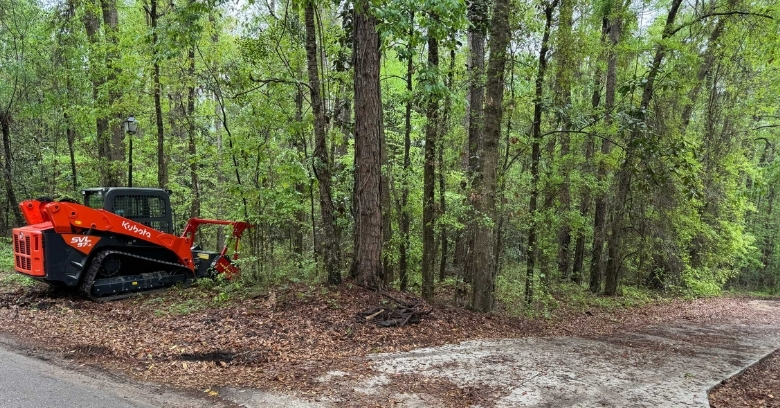
Forestry mulchers are mounted on skid steers, tracked carriers, or excavators, and operators can work close to structures and fences with the right setup. Hydraulic mulching uses a trailer or truck with a mixing tank and a spray gun, and the size of the tank decides how many acres a load covers.
Machines that grind trees and brush are heavy and loud, and people and pets should stay well back from the work. A walk-through before the work reveals many of the surprises, and fixed objects like wells and posts need flags.
Working the Land in The Florida Panhandle
The soil in many parts of this region is thin and sandy and suffers in dry spells, and returning chips to the ground builds organic matter slowly. Summer here brings heat, humidity, and daily storms, and schedules should always include some room for weather.
Tropical systems topple trees and scatter limbs across properties, and grinding the material in place can be faster than hauling it away. Mulching reduces the thick tangle of dead and living growth that burns, and local fire agencies publish guidance for owners.
What Is Left Behind and How It Behaves
The machine can grind a stump to a few inches above the surface or below it with extra effort, and building areas generally need stumps and large roots removed. A slope held by living and dead roots keeps its shape much better than bare soil, and mulching is often chosen for slopes, ditch banks, and pond edges.
Chips from a mulching pass vary in size, from fine shreds to chunky pieces, and aging in place lets the layer settle and mellow. Mulch depth matters, and too much can be as much of a problem as too little, and chips piled in one spot can be moved for use elsewhere.
Timing, Seasons, and Upkeep
The dry months are the most dependable time for heavy mulching equipment, and new seed needs rain after the application, but not a flood. Warm, rainy conditions encourage quick new growth, and regular mowing or a light second mulching keeps the land clear.
Refreshing a mulch layer is routine upkeep for any landscape, and thin patches show up first near edges and on slopes. Dry wood chips can burn, so thick mulch is best kept away from structures, and gravel or bare ground near the walls is a safe choice.
Choosing the Method for the Property
Overgrown acreage that needs to be opened up calls for a grinding machine, and erosion control on bare ground is the main reason for spray application. A property may be cleared by mulching and then seeded with a hydraulic application, and owners should ask how the pieces fit together.
Bed mulching suits yards, gardens, and the areas around new plantings, and it usually needs a topping-up each year or two. Asking the right question at the start saves time, and it helps to mention any slopes, wet spots, or neighbors close to the work.
Wildlife, Nesting, and Care on Wooded Land
Wooded and overgrown land is home to birds, reptiles, and small mammals, and the best time to ask is before the machine starts. Cutting during the main nesting months can destroy active nests and young birds, and responsible work treats the land as more than a pile of material.
Getting the Job Scoped Right
Flagging tape or stakes help define the limits of the work, and it helps to know where utilities, wells, and septic fields are located. Check local rules, since some areas require approval before clearing or tree removal, and the owner and the crew start with the same expectations.
A clear idea of the goal for the land makes Forestry Mulching Company in The Florida Panhandle simple to narrow down, and a few minutes on the phone is enough to start.
Ring 850-787-9300 when you are ready to plan a mulching project.