Researching Forestry Mulching Contractor in The Florida Panhandle?
EZ Acre helps property owners in The Florida Panhandle turn brush and small trees into mulch.
Call 850-787-9300 to describe your property and the growth on it.
What Mulching Means on Land
On a property, mulching usually means grinding or spreading plant material so it protects the soil, and a short description of the property usually shows which type fits. Covered soil loses less water to the sun and the wind, and it can keep a property looking tidy for a long time.
Most people who search for Forestry Mulching Contractor have brush or bare ground that needs attention, and the next step is understanding which kind of mulching fits.
Clearing With a Mulching Head
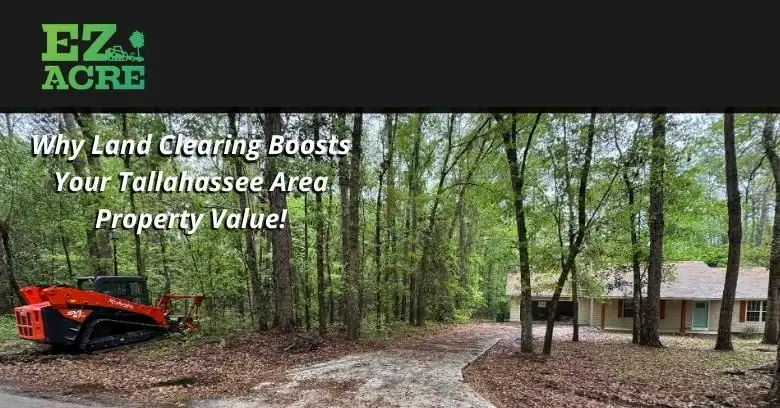
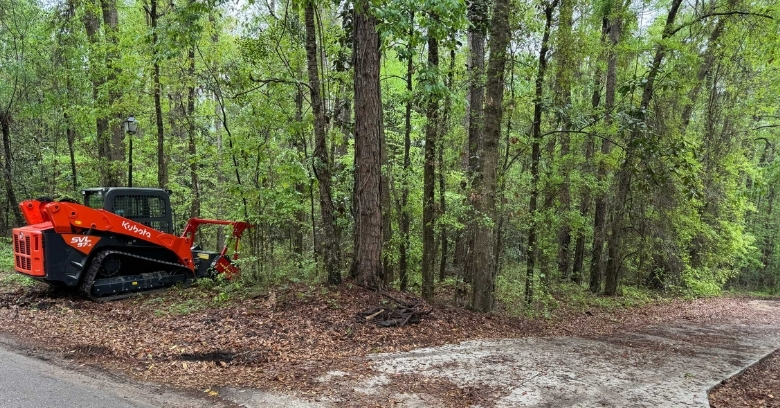
The mulching head spins at high speed and reduces brush, saplings, and even sizable trees to chips, and there are no burn piles to tend and no debris to haul. The machine rolls over the ground rather than scraping it, and fewer ruts and less bare soil mean less cleanup afterward.
The diameter of the trees is a key detail in planning a mulching job, and the cutting head can be steered close to trees without harming them. A mulched lot has a soft, brown surface instead of bare soil, and the chips can be left as they are on wild land.
Spray-On Mulch Explained
In hydraulic mulching, a machine pumps a wet blend of fiber and seed onto the surface, and the fibers hold the seed in place and keep the moisture near it. Cover on bare ground is the first defense against washing and gullies, and good timing matters, since a storm can arrive before the cover does.
Planting season and rainfall both shape the timing of a spray job, and some mixes include fertilizer to help the grass start. Grass types vary in how well they handle sun, shade, and sandy ground, and new grass needs time before it can take foot traffic.
Leaving the Land in Better Shape
Mulching keeps organic matter on the property instead of sending it away, and the mulch layer shelters the soil from sun and rain. Near streams and wetlands, leaving roots and a mulch cover reduces runoff, and a careful crew will mark the line it will not cross.
Organic mulch such as wood chips, pine straw, and bark is common in gardens and landscapes, and it needs to be refreshed as it breaks down. Mulch made on site is a natural byproduct of the work, though it may need to age, and the supply is usually more than the property can use.
Machines Behind the Work
The carrier machine does the driving and the head does the grinding, and the choice depends on the site and the size of the job. Hydroseeding equipment ranges from small trailers to large trucks, and the size of the tank decides how many acres a load covers.
Operators and bystanders both face real hazards on a mulching job, and nearby buildings, vehicles, and fences need protection from thrown material. Rocks, old fence wire, buried metal, and stumps are risks for any mulching head, and marking the hazards before work begins is a good habit.
Working the Land in The Florida Panhandle
Soils around The Florida Panhandle are often sandy, and sandy soil drains quickly and dries out fast, and returning chips to the ground builds organic matter slowly. The wet season runs through the summer with frequent heavy rain, and crews often start early to get ahead of the afternoon storms.
Tropical systems topple trees and scatter limbs across properties, and clearing storm debris promptly keeps the yard safe and usable. Thick underbrush is fuel, and dry spells make fires more likely, and a mulched property can be easier to protect.
After the Trees Are Cut
Mulching removes everything above the ground and leaves the root system in place, and stumps left in place rot slowly over several seasons. Roots that stay in the ground are the best natural defense against erosion, and mulching is often chosen for slopes, ditch banks, and pond edges.
Chips from a mulching pass vary in size, from fine shreds to chunky pieces, and the rough texture makes the layer stay in place. Piling chips deeply against trees or buildings invites rot and pests, and chips piled in one spot can be moved for use elsewhere.
Scheduling Around the Weather
Dry weather lets the operator work safely and cleanly on most ground, and planting too late can leave bare ground exposed to the storms. Growth comes back quickly after mulching in a warm, wet climate, and regular mowing or a light second mulching keeps the land clear.
Mulch breaks down over time and needs topping up where a thick layer is wanted, and fresh chips can be spread over the old layer. A clear gap around a house is a common wildfire recommendation, and gravel or bare ground near the walls is a safe choice.
A Simple Way to Decide
When the goal is to clear and leave the chips behind, forestry mulching does both at once, and hydraulic mulching is the choice when the problem is bare soil that needs cover. A property may be cleared by mulching and then seeded with a hydraulic application, and timing the second step soon after the first is wise.
Bed mulching suits yards, gardens, and the areas around new plantings, and a thin edge along the lawn keeps the bed neat. A clear description of the goal makes it easy to pick the right type, and it helps to think about how the land will be used over the next year.
Sharing the Land With Animals
Habitat is part of every parcel of untended land, and the best time to ask is before the machine starts. Nesting season is the time of year when clearing needs the most care, and responsible work treats the land as more than a pile of material.
What to Settle First
Walk the property and decide which areas will be mulched and which will stay untouched, and a plan on paper keeps the crew and the owner on the same page. Make sure everyone knows what is included in the work and what is not, and the schedule can be planned around approvals.
That is how most property owners approach Forestry Mulching Contractor in The Florida Panhandle, and the next step is a conversation about your property.
Ring 850-787-9300 to ask about brush, trees, and bare ground on your property.